

Robben Island
Images

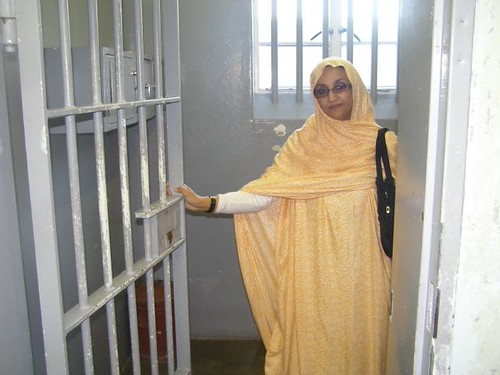
Nelson Mandela's prison cell, Robben Island, South Africa


Geographical Isolation and Ecological Significance
Robben Island, situated in Table Bay approximately 6.9 kilometers off the coast of Bloubergstrand, near Cape Town, South Africa, is a landmass defined by its geographical isolation and unique ecological characteristics. Its name, derived from the archaic Dutch word for seals ('robben'), immediately signals its historical connection to marine life. Measuring roughly 3.3 kilometers north-to-south and 1.9 kilometers east-to-west, its total area is a modest 5.08 square kilometers.
The island's topography is notably flat, with its highest points only a few meters above sea level, a feature attributed to ancient erosional processes. This low elevation makes it susceptible to the sea's influence, shaping its landscape and the habitats it supports. Beyond its historical prison structures, Robben Island is a vital sanctuary for various species, including the seals that gave it its name, and numerous seabirds, contributing to its designation as a significant natural heritage site.
The Prison Island
From the late 17th century until 1996, Robben Island functioned primarily as a penal institution, evolving into a potent symbol of oppression under the apartheid regime. It was particularly notorious for incarcerating political dissidents who actively opposed the post-World War II apartheid state. The island’s harsh conditions and isolation were intended to break the spirits of those fighting for equality and justice.
The most globally recognized inmate was Nelson Mandela, who endured 18 of his 27 years of imprisonment within its walls. His experiences on Robben Island, alongside other prominent anti-apartheid activists, transformed the island into a crucible of resistance and a focal point for the international struggle against apartheid. The prison complex itself, now a museum, stands as a stark testament to the human cost of institutionalized racism and the enduring power of the human spirit in the face of adversity.
From Incarceration to Inspiration
The legacy of Robben Island extends far beyond its history as a prison; it is a place from which remarkable leaders emerged. Nelson Mandela's journey from inmate to the first democratically elected black president of South Africa, and Nobel Peace Prize laureate, is a globally celebrated narrative of triumph over injustice. His presidency, from 1994 to 1999, marked a pivotal era of reconciliation and nation-building.
Astonishingly, two other former Robben Island prisoners have also ascended to the South African presidency: Kgalema Motlanthe (2008–2009) and Jacob Zuma (2009–2018). This remarkable pattern underscores the profound impact of the island's experience on shaping political leadership. Furthermore, many other former inmates have assumed significant roles in South Africa's democratic government and civil society, demonstrating the enduring influence of their time on the island and their commitment to shaping a more equitable nation.
Heritage Status and Contemporary Relevance
Recognized as both a South African National Heritage Site and a UNESCO World Heritage Site, Robben Island holds immense cultural and historical significance. Its inscription on the World Heritage List acknowledges its 'outstanding universal value' as a symbol of the triumph of the human spirit over adversity and the struggle for democracy. The island serves as a vital educational resource, offering visitors a tangible connection to South Africa's complex past.
The preservation of the prison buildings, coupled with the ongoing ecological importance of the island, creates a unique juxtaposition. It allows for reflection on the historical injustices while also highlighting the importance of conservation and the resilience of both human and natural systems. Robben Island continues to be a powerful site for remembrance, learning, and inspiration, reminding the world of the ongoing pursuit of human rights and social justice.
Go deeper
Frequently Asked Questions
What is Robben Island and why is it famous?+
Where is Robben Island located?+
Why does the island have seals and birds?+
How many people were imprisoned on Robben Island and who were some of them?+
What is special about Robben Island today?+
Based on content from Wikipedia · Licensed under CC BY-SA 4.0