

River Cruise Adventures!
Images
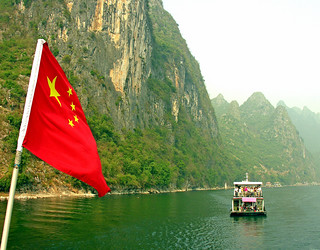
China-7691 - Li River Cruise


The Intricate Dance of River Navigation
River cruise vessels are marvels of engineering, specifically designed to navigate the complex and often variable conditions of inland waterways. Their dimensions-typically around 135 meters (443 feet) long and 11.4 meters (37 feet) wide-are dictated by the size of locks and the narrowness of channels on major European rivers like the Rhine and Danube. This constraint allows them to dock centrally in historic cities, providing unparalleled access.
Unlike ocean liners, river ships possess shallow drafts, enabling them to traverse rivers with fluctuating water levels, though this also makes them susceptible to drought conditions. The operational logistics involve intricate scheduling to pass through numerous locks, manage varying river currents, and coordinate with port authorities. The experience is characterized by a slow, deliberate pace, averaging around 15-20 km/h (9-12 mph), which maximizes passenger engagement with the passing panorama and minimizes the environmental disturbance associated with high-speed transit.
Rivers as Historical Arteries and Cultural Conduits
The routes plied by river cruises are deeply interwoven with human history. Rivers have been the cradles of civilization, facilitating early trade, migration, and the development of complex societies. From the fertile crescent nourished by the Tigris and Euphrates to the trade routes of the Yangtze, rivers have shaped empires and cultures.
Modern river cruises retrace these ancient pathways, offering a tangible connection to the past. A cruise on the Nile, for instance, immerses passengers in the legacy of pharaohs and ancient wonders. Similarly, voyages along the Rhine or Seine reveal centuries of European history, from Roman settlements to medieval towns and industrial revolutions.
This geographical immersion provides a profound understanding of how landscapes have influenced human development and cultural exchange over millennia.
Economic Ripples and Local Integration
River cruises represent a significant economic driver for the regions they traverse. The influx of passengers, who often disembark for extensive shore excursions, directly benefits local economies through spending on tours, dining, souvenirs, and local transportation. This model fosters a symbiotic relationship, where the cruise line relies on the unique offerings of a destination, and the destination benefits from tourism revenue.
However, the economic impact can also raise questions about the distribution of wealth and the potential for over-tourism in smaller communities. Cruise operators often partner with local businesses and guides, aiming to create authentic experiences that support the local economy. The economic model emphasizes integration, bringing travelers directly into the fabric of the communities they visit, rather than observing from a distance.
The Evolving Landscape of Sustainability in River Cruising
As environmental consciousness grows, the river cruise industry is increasingly focused on sustainability. Compared to large-scale ocean liners, river ships inherently possess a smaller carbon footprint due to their size, fuel efficiency, and operational scale. Many companies are investing in advanced technologies such as hybrid engines, exhaust gas cleaning systems, and alternative fuels like liquefied natural gas (LNG) to further reduce emissions.
Water management is also critical, with efforts to minimize waste discharge and manage ballast water responsibly. Furthermore, the industry is exploring ways to reduce single-use plastics and promote local, sustainable sourcing for onboard provisions. The challenge lies in balancing the desire for growth with the imperative to protect the fragile riverine ecosystems and the cultural heritage of the communities they serve, making responsible tourism a central tenet for the future of river cruising.
Educational Value and Future Trajectories
River cruises serve as dynamic, mobile classrooms, offering rich educational opportunities that transcend traditional learning environments. Passengers gain firsthand exposure to diverse geographical features, from delta systems and floodplains to mountainous terrains and agricultural landscapes. Historical context is brought to life through visits to ancient ruins, medieval castles, and sites of significant historical events.
Cultural understanding is fostered through interactions with local populations, exposure to different languages, traditions, and culinary practices. The educational value is amplified by onboard lectures, expert guides, and curated excursions that delve into the specific history, ecology, and culture of each region. Looking ahead, the industry is likely to see further innovations in sustainable technologies, personalized itineraries, and deeper integration with local communities, enhancing both the travel experience and its educational impact.
See also
Based on content from Wikipedia · Licensed under CC BY-SA 4.0