

Rendang
Images
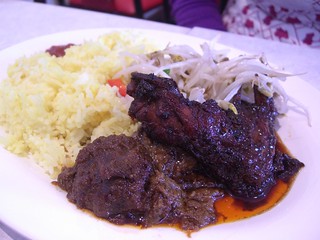
Turmeric rice with beef rendang, fried chicken wings with a dark soy sauce and beansprouts - Minang Nasi Padang AUD6.50 + AUD0.50


Deconstructing Rendang
Rendang is a sophisticated culinary creation originating from the Malay Archipelago, most prominently associated with Indonesia and Malaysia. It transcends simple categorization, encompassing both a cooking method and the resultant dish. The process involves the slow, prolonged cooking of meat, typically beef, in a rich emulsion of coconut milk and an intricate blend of spices.
This is not a quick braise; it's a patient, multi-hour transformation. The key lies in the uncovered cooking, which facilitates the evaporation of water, leading to the separation of coconut oil. This rendered oil then becomes the medium for frying the meat and spices, coating them in a dark, intensely flavored, and caramelized glaze.
This unique 'dry curry' technique, where the dish effectively fries in its own concentrated sauce, is responsible for rendang's signature texture and profound depth of flavor. It’s a dish that requires time, skill, and an understanding of how heat and fat interact to create culinary magic.
The Historical Tapestry of Rendang's Genesis
The historical trajectory of rendang is deeply intertwined with the vibrant cultural crossroads of the Malacca Strait, a pivotal hub for maritime trade and exchange. Its culinary DNA carries strong influences from Indian cuisine, evident in the foundational use of spices like turmeric, ginger, and chili, which were staples in Indian cooking and introduced through centuries of interaction. The Columbian Exchange, specifically the Portuguese introduction of chili peppers to Southeast Asia after the capture of Malacca in 1511, significantly shaped rendang's evolution, adding a crucial element of heat and complexity.
Malay and Minangkabau traders historically utilized rendang as a vital provision for long journeys due to its remarkable shelf life, facilitated by the low moisture content and the preservative qualities of spices and coconut oil. This inherent portability allowed the dish to naturally disseminate across the Sumatra and Malay Peninsula. Further propagation occurred in the 20th century through the extensive migratory patterns of the Minangkabau people, who carried their distinct culinary traditions, including their version of rendang, to new regions, cementing its widespread presence.
Rendang's Enduring Significance
The cultural and national significance of rendang cannot be overstated. It is widely regarded as a signature dish within Southeast Asian Muslim cuisines, including Malay, Minangkabau (as 'samba randang'), and Moro (as 'riyandang'). Traditionally, rendang is reserved for momentous occasions and festive gatherings, such as elaborate wedding feasts and major Islamic holidays like Eid al-Fitr and Eid al-Adha.
Its presence elevates these celebrations, symbolizing community, tradition, and shared heritage. The formal recognition of rendang by national bodies-Malaysia designating it a heritage food in 2009 and Indonesia granting it cultural heritage status in 2013 and officially declaring it a national dish in 2018-underscores its profound importance to national identity and cultural preservation. This designation acknowledges rendang not merely as food, but as a vital component of intangible cultural heritage, reflecting historical narratives and culinary artistry.
The Maillard Reaction and Lipid Oxidation
The transformation of ingredients in rendang is a masterclass in applied food chemistry. The initial long stewing phase breaks down collagen in the meat into gelatin, resulting in a tender texture. As the cooking progresses uncovered, two critical processes occur.
Firstly, water evaporates, concentrating the flavors of the spices and meat. Secondly, the coconut milk's oil separates. This liberated oil then facilitates the Maillard reaction, a complex chemical process between amino acids and reducing sugars that occurs when food is heated, responsible for the browning and development of rich, savory flavors.
Simultaneously, lipid oxidation of the coconut oil contributes to the characteristic aroma and taste. The final stage, where the meat 'fries' in its own rendered oil and concentrated spices, creates a deeply caramelized, flavorful coating. This intricate interplay of moisture evaporation, lipid separation, and heat-induced browning is what gives rendang its unparalleled complexity and longevity.
Regional Interpretations and Global Reach
While the fundamental principles of rendang remain consistent, its execution and flavor profiles exhibit fascinating regional variations across Southeast Asia. The Indonesian rendang, particularly the Minangkabau style, is often considered the benchmark, characterized by its deep, dark color and intense spice. Malaysian rendang can vary, with some versions being slightly wetter or employing different spice combinations.
The dish's influence extends to Brunei and Singapore, where it is a beloved part of the local culinary landscape. Even in the southern Philippines, the Moro people prepare a dish called 'riyandang,' which shares similarities in its slow-cooking method. The global diaspora of Southeast Asian communities has also introduced rendang to international palates, where it is increasingly appreciated for its unique flavor and culinary artistry, often appearing in fusion dishes or as a celebrated authentic offering in restaurants worldwide.
Go deeper
Frequently Asked Questions
What is rendang?+
Why does rendang taste so strong?+
How is rendang cooked?+
Where does rendang come from?+
Why is rendang special for celebrations?+
Based on content from Wikipedia · Licensed under CC BY-SA 4.0