

Rappie Pie
Images

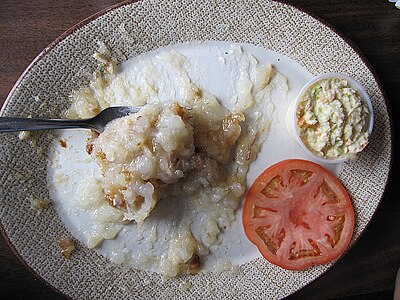
File:Rappie Pie.jpg

The Genesis of Rappie Pie
Rappie pie stands as a profound culinary artifact of the Acadian people, a testament to their ability to adapt and thrive in challenging environments. Emerging primarily in the southwestern regions of Nova Scotia, New Brunswick, and parts of Prince Edward Island, its origins are deeply intertwined with the agricultural practices and available resources of early Acadian settlers. The very name, 'rappie pie,' is a direct linguistic link to its core ingredient and preparation method, stemming from the French term 'patates râpées' or 'grated potatoes.' This dish wasn't born of luxury but of necessity, a practical solution for creating a substantial and nourishing meal from the ubiquitous potato.
The meticulous process of grating and then de-watering the potatoes is central to its identity, distinguishing it from simpler potato preparations and highlighting a sophisticated understanding of food science, even if not formally recognized as such at the time. It embodies a culinary philosophy of maximizing flavor and sustenance from fundamental ingredients, a hallmark of many traditional cuisines.
Deconstructing the Culinary Architecture of Rappie Pie
The construction of rappie pie is a multi-stage process that yields a unique textural and flavor profile. It commences with the raw grating of potatoes, a step that liberates their starches and creates the base for the dish. The subsequent squeezing of this grated mass, typically through cheesecloth, is a critical technique.
This action removes excess water, concentrating the potato solids and preventing the final product from becoming overly wet or mushy. Intriguingly, the expelled liquid is often reserved; the starch settles to the bottom and is then reintroduced into the cooking liquid. This liquid is usually a robust broth, meticulously prepared from simmering chicken, pork, or seafood, infusing the dish with depth.
This flavorful broth is then combined with the squeezed potato solids, along with aromatics like onions and a protein component – commonly beef, chicken, or the distinctive bar clams. The assembly is completed with a final layer of grated potatoes, which bakes into a golden, slightly crisp topping, contrasting beautifully with the tender interior. This layered construction creates a cohesive, hearty casserole that is both comforting and complex.
Rappie Pie as a Cultural Nexus
Beyond its gustatory appeal, rappie pie functions as a powerful cultural nexus for the Acadian diaspora. It serves as a tangible link to ancestral heritage, a culinary touchstone that evokes memories of home, family, and community. The preparation and sharing of rappie pie are often central to significant cultural events, holidays, and family reunions, reinforcing social bonds and transmitting traditions across generations.
In this capacity, it acts as a form of cultural preservation, ensuring that the stories and practices of the Acadian people endure. Its consistent presence in Acadian households and at community gatherings underscores its role as a symbol of resilience, a reminder of the resourcefulness that allowed Acadians to maintain their identity through historical challenges. The dish’s enduring popularity is a testament to its ability to foster a sense of belonging and collective identity, making it far more than just a meal but a vital component of Acadian cultural continuity.
Contemporary Relevance and Culinary Evolution
In the contemporary culinary landscape, rappie pie continues to hold its place while also demonstrating potential for evolution. While traditionalists champion the classic preparations, modern chefs and home cooks are exploring new interpretations. This might involve experimenting with different types of potatoes, incorporating a wider array of herbs and spices, or even adapting the dish for different dietary needs.
The use of locally sourced ingredients, a growing trend in modern gastronomy, also aligns well with the spirit of rappie pie, which has always been about utilizing what is available. Furthermore, the dish’s inherent heartiness and comforting nature make it appealing in an era that often seeks wholesome, satisfying meals. Its status as a regional specialty also contributes to culinary tourism, drawing visitors interested in experiencing authentic Acadian culture through its food.
Rappie pie thus remains a relevant and cherished dish, capable of honoring its past while embracing the future of food.
See also
Based on content from Wikipedia · Licensed under CC BY-SA 4.0