

Purgatory: A Place of Waiting?
Images
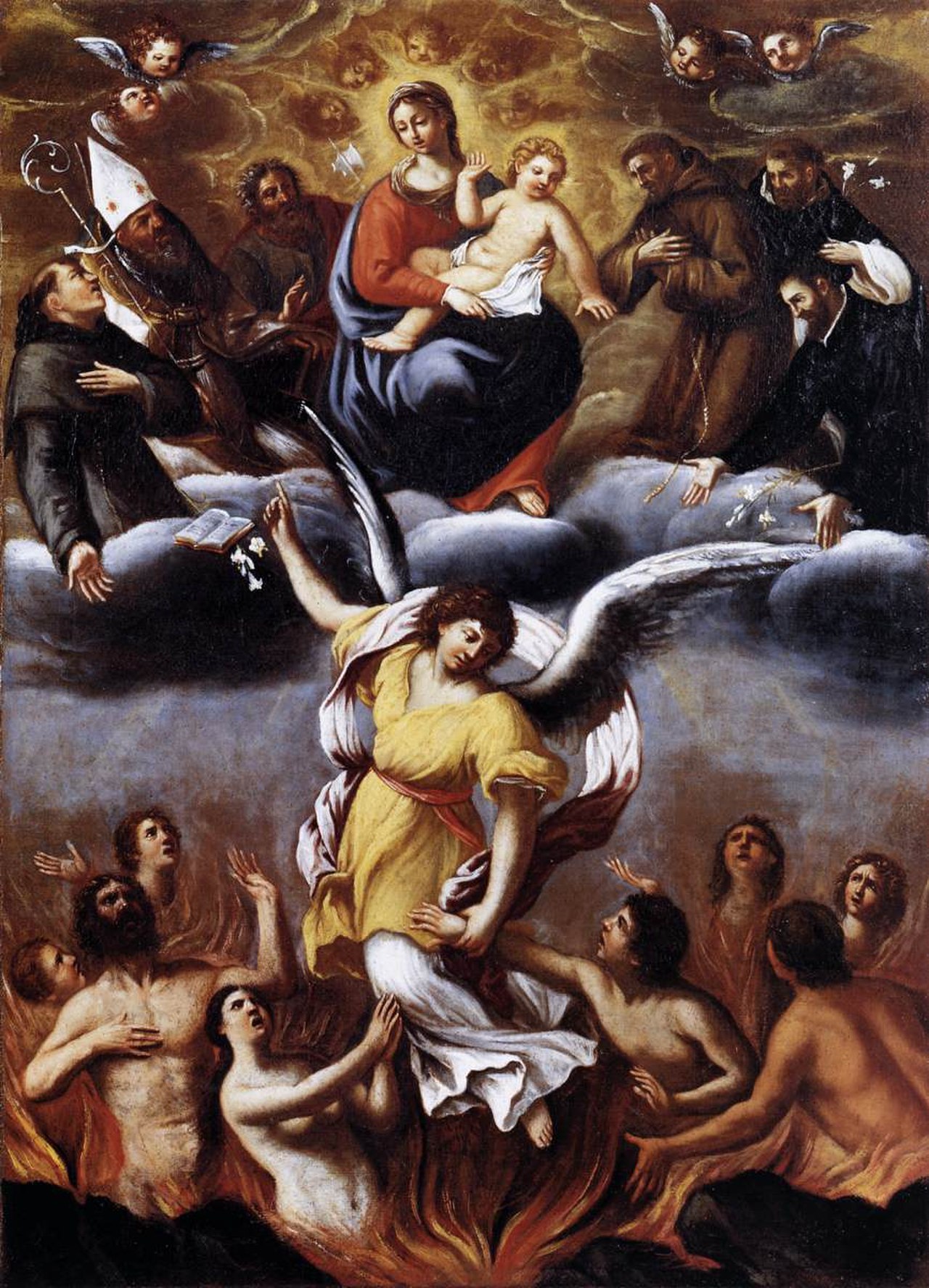
Purgatory
Defining Purgatory
Purgatory, in its most developed theological sense, is understood not merely as a physical location but as a state of being for souls who have died in a state of grace but still require purification from the lingering effects of sin before achieving the Beatific Vision. This purification is not a punitive measure akin to hell, but a salvific process, a necessary step for those whose souls are not yet perfectly aligned with God's infinite holiness. It addresses the theological problem of how a just and merciful God deals with individuals who, while saved, have not fully atoned for or been cleansed of venial sins or the temporal consequences of forgiven mortal sins.
The concept posits that the merits of Christ's sacrifice can be applied to souls in Purgatory, often through the intercessory prayers and good works of the living.
From Ancient Prayers to Medieval Doctrine
The roots of Purgatory can be traced to ancient practices of praying for the dead, evident in Jewish burial customs and early Christian liturgies. The New Testament contains passages that have been interpreted as supporting an intermediate state, such as Jesus' words in the Sermon on the Mount about reconciling with an accuser before being thrown into prison, or Paul's description of being saved 'as through fire.' However, the formal articulation of Purgatory as a distinct doctrine solidified during the Middle Ages.
Influenced by patristic writings, the philosophical methods of scholasticism, and the burgeoning devotional practices of the era, theologians like Aquinas and Bonaventure systematically defined its nature, purpose, and the efficacy of prayers for the departed. The Council of Florence and the Council of Trent later confirmed its status as official dogma within Catholicism.
The Existential and Spiritual Significance of Purgatory
The enduring significance of Purgatory lies in its profound engagement with fundamental human questions about justice, mercy, redemption, and the nature of the afterlife. It offers a theological framework that reconciles God's perfect justice with His boundless mercy, suggesting that salvation is not a simple binary but a journey of transformation. For believers, Purgatory provides a powerful affirmation of the communion of saints, highlighting the interconnectedness of the living and the dead and the efficacy of intercessory prayer.
It also underscores the Christian emphasis on personal responsibility for one's actions and the ongoing process of sanctification, even beyond earthly life, providing a sense of hope and ultimate restoration.
The Mechanics of Purification
Theological explanations for how Purgatory functions vary, but generally involve the concept of temporal punishment and purification. Temporal punishment refers to the consequences of sin that remain even after the sin itself has been forgiven. This is often understood as a process of suffering that cleanses the soul of disordered affections or attachments to sin.
Some models describe this suffering as a painful awareness of God's absence, while others liken it to a purifying fire, not of destruction but of transformation. The efficacy of prayers, Masses, indulgences, and alms from the living is central to many understandings, as these acts are believed to transfer merits or alleviate the temporal punishment for souls in Purgatory, thereby shortening their time in this state.
Purgatory in the Cultural Imagination
Beyond its theological confines, Purgatory has profoundly shaped Western cultural imagination. Dante's 'Divine Comedy' remains the most iconic literary representation, offering a vivid allegorical journey through a mountain of purification. This imagery has influenced countless works of art, literature, and even popular culture, often serving as a metaphor for any process of intense struggle, atonement, or transition.
In contemporary discourse, the concept of Purgatory continues to provoke discussion, sometimes reinterpreted secularly as a period of intense personal growth or a necessary intermediate stage in overcoming profound challenges. Its persistence highlights a deep-seated human need to believe in a process of redemption and ultimate reconciliation, even after life's end.
Go deeper
Frequently Asked Questions
What is Purgatory?+
Why do people go to Purgatory instead of straight to heaven?+
How can living people help souls in Purgatory?+
Is Purgatory a punishment?+
When did the idea of Purgatory become an official belief?+
Based on content from Wikipedia · Licensed under CC BY-SA 4.0