

Heaven: Your Ticket to the Sky!
Images
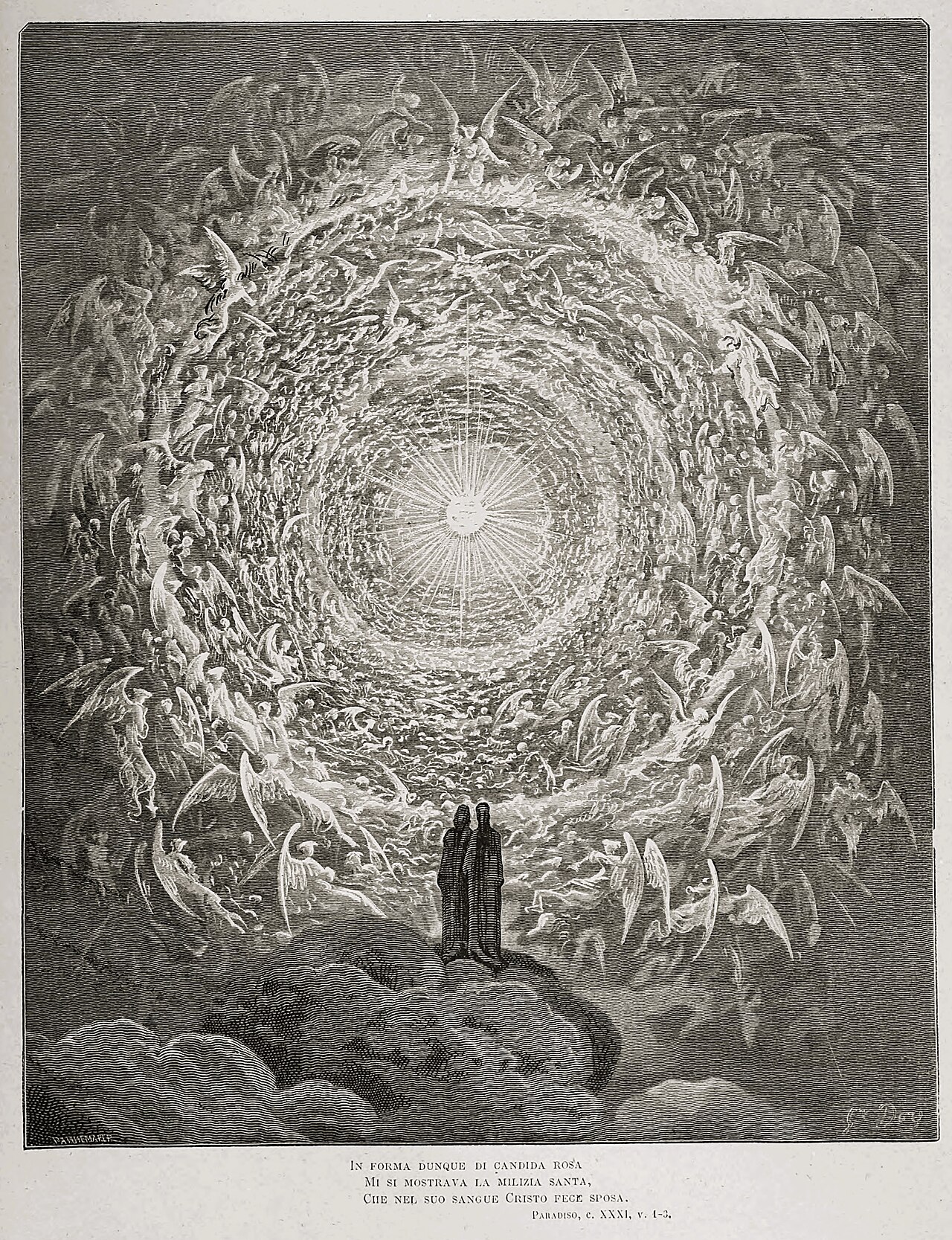
Heaven
Defining the Divine Abode
Heaven, in its most common understanding, refers to a transcendent realm or state of being that exists beyond the physical universe, typically associated with the divine. It is conceptualized as the ultimate destination for souls after earthly life, characterized by perfect happiness, eternal peace, and the absence of all forms of suffering, sin, and death. This concept serves as a cornerstone in many religious traditions, offering a teleological framework for existence-a sense of ultimate purpose and reward.
The nature of this existence is often described in eschatological terms, relating to final events and ultimate destiny. It’s not merely a place but often a state of being, a profound union with the divine or ultimate reality, providing a profound contrast to the perceived imperfections and transience of the material world.
Chronicles of the Celestial
The idea of a heavenly realm has a long and complex history, evolving significantly across cultures and epochs. Early cosmologies often featured a sky-god or celestial deities, but the concept of a distinct, blissful afterlife developed more gradually. Ancient Egyptian beliefs included a paradise realm, while Zoroastrianism presented a sophisticated dualistic view with a heavenly ascent.
In Abrahamic religions, the concept of heaven became more defined: Judaism developed varied ideas, from a shadowy underworld to a more spiritual paradise. Christianity expanded upon this, with Jesus' teachings and the Book of Revelation providing vivid imagery of heaven as God's dwelling place and the reward for believers. Islam's Quran offers detailed descriptions of Jannah, a lush paradise filled with sensory delights and spiritual communion. These concepts were not static, influenced by philosophical inquiries, interfaith dialogue, and the persistent human yearning for transcendence.
The Enduring Significance
The concept of heaven holds profound significance, influencing individual behavior, societal structures, and philosophical discourse. It provides a powerful moral compass, underpinning ethical systems by suggesting eternal consequences for earthly actions, thereby encouraging virtue and discouraging vice. For individuals, belief in heaven offers solace in the face of mortality, providing hope for reunion with loved ones and an end to suffering.
It can foster social cohesion by creating shared beliefs and aspirations within religious communities. Philosophically, heaven raises fundamental questions about the nature of reality, consciousness, and the ultimate meaning of life. Its enduring presence in human thought highlights a deep-seated desire for justice, permanence, and a reality that transcends the limitations of our physical existence.
Visions of Paradise
Descriptions of heaven are remarkably diverse, reflecting the cultural and theological contexts from which they arise. Common typologies include the celestial city (e.g., the New Jerusalem in Christianity), often depicted with opulent materials like gold and precious gems, symbolizing perfection and divine presence. Another prevalent image is the idyllic garden or paradise, reminiscent of Eden, characterized by abundant natural beauty, flowing rivers, and eternal spring.
Some traditions emphasize a more abstract, spiritual state of beatific vision-a direct, unmediated experience of the divine. Key elements consistently present are the cessation of pain, sorrow, and death, and the presence of perfect love, joy, and peace. The emphasis often shifts between communal worship of God and individual spiritual fulfillment.
Intersections and Divergences
The concept of heaven is intricately linked with, and often contrasted against, other eschatological ideas. The notion of hell, as a realm of punishment, serves as a theological counterpoint, reinforcing the moral framework associated with heaven. Concepts like purgatory in Catholicism offer an intermediate state of purification.
Eastern traditions, such as Buddhism and Hinduism, present alternative afterlife narratives, including reincarnation and the pursuit of enlightenment or moksha, which, while distinct, share the goal of liberation from suffering. The philosophical exploration of heaven touches upon dualism (mind-body separation), idealism (reality as fundamentally mental or spiritual), and existentialism (the search for meaning in a seemingly indifferent universe). Understanding heaven requires engaging with these diverse perspectives on the ultimate human destiny.
Go deeper
Frequently Asked Questions
What is heaven?+
Why do people think heaven is a happy place?+
Where do different cultures imagine heaven?+
How does believing in heaven affect people?+
Are there different names for heaven in religions?+
Based on content from Wikipedia · Licensed under CC BY-SA 4.0