

Dante Alighieri: The Poet Who Traveled to Heaven and Hell!
Images
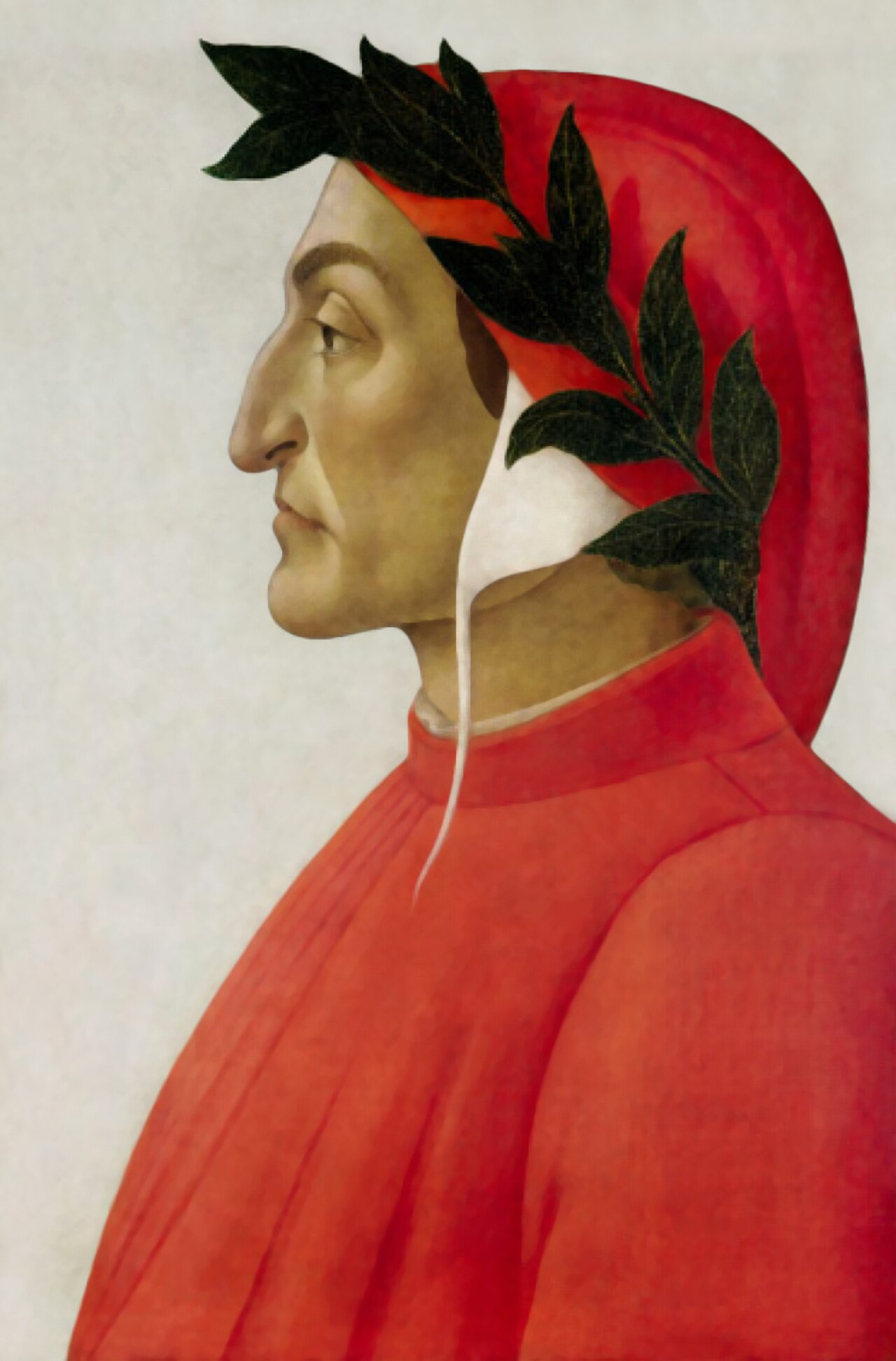
Dante Alighieri
The Florentine Exile and His Literary Revolution
Dante Alighieri, born in Florence around May 1265, emerged as a towering intellect during a tumultuous period in Italian history. While educated in traditional scholasticism and deeply influenced by classical philosophy and theology, Dante's most significant contribution was his radical embrace of the vernacular. At a time when Latin dominated serious literary and scholarly pursuits, Dante championed his native Tuscan dialect, arguing for its capacity to express complex ideas and profound emotions.
His treatise 'De vulgari eloquentia' (On Eloquence in the Vernacular) stands as one of the earliest and most forceful defenses of vernacular literature. This linguistic innovation was not merely stylistic; it was a democratic impulse, aiming to make profound thought accessible to a broader audience. His early work, 'La Vita Nuova' (The New Life), already showcased this lyrical prowess, but it was his magnum opus, 'The Divine Comedy,' that would redefine Italian literature and leave an indelible mark on Western civilization.
He died in Ravenna on September 14, 1321, never to see his beloved Florence again.
The Divine Comedy
Dante's 'Comedìa,' later famously christened 'Divina' by Giovanni Boccaccio, is an allegorical epic poem that chronicles the poet's imagined journey through the three realms of the afterlife: Inferno (Hell), Purgatorio (Purgatory), and Paradiso (Paradise). This journey, spanning Holy Week in 1300, is guided first by the Roman poet Virgil through Hell and Purgatory, and then by Beatrice, Dante's idealized love, through Paradise.
The poem is a masterpiece of narrative structure, theological depth, and vivid imagery. Dante meticulously crafts each realm, detailing specific punishments in Hell, the stages of purification in Purgatory, and the hierarchical levels of bliss in Paradise. His intricate cosmology and moral framework provided a comprehensive vision of divine justice and human redemption that resonated deeply with medieval sensibilities and continues to provoke contemplation today.
Forging a National Language and Literary Tradition
Dante's decision to compose 'The Divine Comedy' in the Florentine dialect was a pivotal moment in the development of the Italian language. By demonstrating the expressive power and literary potential of the vernacular, he elevated it from a spoken tongue to a sophisticated medium for high art. This act established a precedent that profoundly influenced subsequent generations of Italian writers, including Petrarch and Boccaccio, who are often grouped with Dante as the 'tre corone' (three crowns) of Italian literature.
His linguistic choices helped to standardize Italian and laid the groundwork for its emergence as a national language. Furthermore, his innovative use of 'terza rima,' a complex interlocking rhyme scheme (ABA BCB CDC), showcased his technical mastery and provided a new formal structure for poetry that would be adopted by many later poets.
Enduring Legacy
Dante Alighieri is revered not only as a national poet of Italy but as one of the most significant literary figures in world history. His influence extends far beyond literature, shaping artistic and philosophical discourse for centuries. The vivid depictions of Hell, Purgatory, and Heaven in the 'Divine Comedy' have inspired countless works of art, from paintings and sculptures to music and modern media.
His exploration of sin, repentance, and divine grace continues to be a subject of intense study and debate. He is widely regarded as the 'father' of the Italian language and is often referred to as 'il Sommo Poeta' (the Supreme Poet). His legacy is a testament to the enduring power of poetry to explore the human condition, chart the unknown, and shape cultural understanding across ages and borders.
Go deeper
Based on content from Wikipedia · Licensed under CC BY-SA 4.0