

Province of Zamora: A Spanish Adventure!
Images

Iglesia de Trefacio


Geopolitical Crossroads
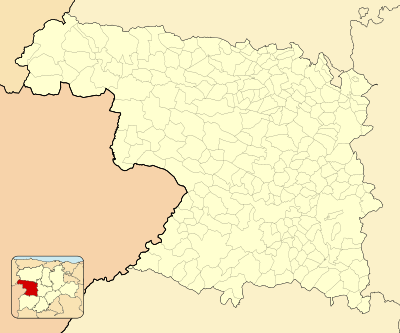
The Province of Zamora occupies a significant position in the western Iberian Peninsula, forming part of the autonomous community of Castile and León in Spain. Its geographical placement is not merely a matter of coordinates; it is a historical and cultural nexus. Zamora shares its borders with four other Spanish provinces: Ourense to the northwest, León to the north, Valladolid to the east, and Salamanca to the south.
Crucially, it also forms a substantial international border with Portugal to the west. This adjacency to another sovereign nation has historically fostered a unique blend of cultural exchange and economic interaction, shaping Zamora's identity as a frontier region. The province's formation in 1833, as part of a broader administrative reorganization of Spain, placed it within the former Kingdom of León, a territory steeped in medieval history and royal legacy.
This historical context is palpable in its landscapes and settlements, offering a tangible link to Spain's formative centuries.
Demographic Dynamics
With a total population of 166,253 inhabitants, Zamora presents a demographic profile characterized by a significant concentration in its capital. The city of Zamora itself is home to nearly one-third of the province's entire population, underscoring its role as the primary urban and administrative center. This concentration highlights a common trend in many European regions where rural depopulation contrasts with the growth of key urban hubs.
The province is further subdivided into 248 municipalities, ranging from bustling towns to small, rural hamlets. This intricate network of settlements reflects a long history of human settlement and adaptation to the varied terrain. The demographic distribution suggests that while the capital is the engine of population density, the surrounding municipalities contribute to the province's broader cultural and economic fabric, albeit with a more dispersed population.
The Duero's Embrace
The Province of Zamora is profoundly shaped by the presence of the Duero River, known as the Douro in Portugal. This mighty river carves its way through the province, influencing its topography, climate, and economic activities. The landscape is characterized by a mix of plains, hills, and river valleys, creating diverse microclimates suitable for various agricultural pursuits.
Historically, the river has been a vital artery for trade and transportation, and today it remains central to the region's identity and economy. Agriculture is a cornerstone of Zamora's economy, with significant production of cereals, legumes, and particularly wine. The region is renowned for its Designation of Origin (DO) wines, benefiting from the fertile soils and the river's moderating influence.
Beyond agriculture, industry plays a role, though often on a smaller scale compared to more industrialized Spanish regions. The province's natural beauty also supports tourism, drawing visitors interested in its historical sites and rural charm.
A Legacy of Heritage
Zamora's cultural heritage is a rich tapestry woven from centuries of history, influenced by its Castilian and Leonese roots, as well as its proximity to Portugal. The province is particularly celebrated for its Romanesque architecture, with numerous churches and cathedrals showcasing this distinctive medieval style. These structures are not merely historical relics but are integral to the province's identity and a significant draw for cultural tourism.
The governance of Zamora, like other Spanish provinces, operates within the framework of Spain's democratic system. It is administered by a provincial council (Diputación Provincial) which manages local services and infrastructure for the municipalities. The province's political and administrative structure reflects Spain's decentralized model, allowing for regional and local autonomy while remaining part of the national government.
This blend of historical legacy and modern governance shapes the daily lives and future development of Zamora's inhabitants.
The Educational Landscape of Zamora
Education in the Province of Zamora is structured to provide learning opportunities from early childhood through higher education. The provincial government, in conjunction with the regional government of Castile and León, oversees the public education system. This includes a network of primary and secondary schools (colegios and institutos) distributed across the province, ensuring access to education for children in both urban and rural areas.
For higher education, the primary institution is the University of Salamanca, which has campuses and affiliated centers that serve students from Zamora. While Zamora itself may not host a large, independent university, its residents have access to quality higher education through regional networks and established institutions. The educational focus often includes programs that leverage the province's strengths, such as agricultural sciences, history, and tourism management, preparing students for careers that align with Zamora's economic and cultural landscape.
Lifelong learning opportunities are also available through vocational training centers and cultural programs, fostering continuous development within the community.
See also
Frequently Asked Questions
What is the Province of Zamora known for?+
Where is Zamora located in Spain?+
How many people live in Zamora?+
What is the Duero River and why is it important?+
What kind of food and drinks can you find in Zamora?+
Based on content from Wikipedia · Licensed under CC BY-SA 4.0