

Primates: Our Amazing Relatives!
Images
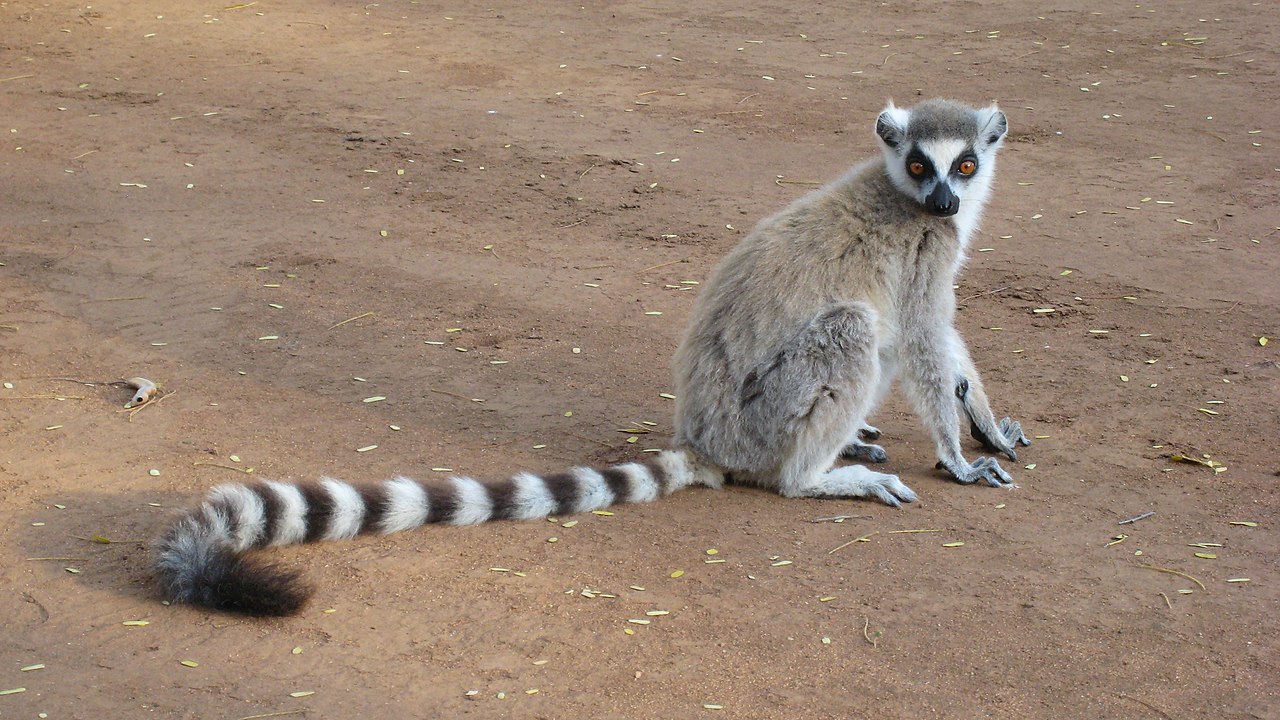
Primate


The Evolutionary Tapestry of Primates
The order Primates represents a remarkable evolutionary journey, originating approximately 65 million years ago. Early primates were likely small, arboreal, and nocturnal creatures, adapting to the niches left vacant after the extinction of the dinosaurs. Over millions of years, they diversified into the two main suborders: Strepsirrhini (lemurs, lorises, and galagos) and Haplorhini (tarsiers, monkeys, apes, and humans).
Strepsirrhines generally retain more primitive traits, such as a wet nose (rhinarium) and a more developed sense of smell, while Haplorhines, particularly anthropoids (monkeys, apes, and humans), exhibit larger brains, reduced reliance on smell, and more complex social structures. The development of opposable thumbs and enhanced vision were critical adaptations that facilitated their success in diverse environments, leading to the wide array of primate forms we see today, from the agile gibbons to the powerful great apes.
Habitat Diversity and Adaptations
Primates inhabit an astonishing range of ecosystems, primarily concentrated in the tropical and subtropical zones of Africa, Asia, and the Americas. Their habitats span from the humid, multi-layered canopies of rainforests to the open grasslands of savannas, the arid scrublands of deserts, and the cool, misty cloud forests of mountainous regions. Arboreal primates, such as many species of monkeys and apes, have developed specialized adaptations for life in the trees, including long limbs, prehensile tails (in some New World monkeys), and precise grasping hands and feet for navigating complex arboreal pathways.
Terrestrial primates, like baboons and some macaques, have evolved adaptations for ground-dwelling, including greater stamina for foraging over larger areas and more robust skeletal structures. This habitat diversity has driven significant evolutionary divergence, resulting in unique physiological and behavioral traits tailored to specific environmental pressures.
Dietary Strategies and Ecological Roles
The dietary spectrum of primates is exceptionally broad, encompassing frugivory, folivory, insectivory, and even carnivory, though the latter is rare and typically involves small prey. Frugivores, a significant group, rely heavily on fruits, playing a crucial role as seed dispersers. By consuming fruits and moving across their territories, they facilitate seed germination and forest regeneration, contributing to ecosystem stability and biodiversity.
Folivores, such as gorillas and howler monkeys, consume large quantities of leaves, which are abundant but often difficult to digest. They have evolved specialized digestive systems, including enlarged colons and symbiotic gut bacteria, to break down cellulose. Insectivores, like lorises and some tamarins, obtain protein from insects, while a few species, like capuchin monkeys, are opportunistic omnivores with a varied diet that includes small vertebrates.
These diverse feeding strategies highlight their integral role in food webs and ecosystem dynamics.
Primate Intelligence and Social Complexity
One of the most striking features of primates is their advanced cognitive abilities and complex social lives. Relative to their body size, primates possess some of the largest brains among mammals, enabling sophisticated behaviors such as tool use, complex communication, and intricate social hierarchies. Great apes, in particular, exhibit remarkable problem-solving skills, self-awareness (as demonstrated by the mirror test), and the capacity for learning and cultural transmission of behaviors.
Social structures vary widely, from the solitary existence of orangutans to the large, multi-male, multi-female groups of baboons. These social systems often involve intricate alliances, grooming behaviors for social bonding, and sophisticated communication through vocalizations, facial expressions, and body language. Studying primate social behavior provides profound insights into the evolutionary roots of human sociality and cognition.
Conservation Imperatives for a Threatened Order
Despite their intelligence and adaptability, a significant proportion of primate species are facing severe threats, with many classified as Vulnerable, Endangered, or Critically Endangered by the IUCN. The primary driver of this decline is habitat destruction and fragmentation, largely due to deforestation for agriculture, logging, and infrastructure development. Poaching for bushmeat, the pet trade, and traditional medicine further exacerbates these pressures.
The loss of primate populations has cascading effects on ecosystems, disrupting seed dispersal and impacting predator-prey dynamics. Conservation efforts are multifaceted, involving habitat protection and restoration, anti-poaching initiatives, community engagement, and captive breeding programs. International cooperation and public awareness are critical to ensuring the long-term survival of these vital and fascinating creatures, which are our closest living relatives.
Go deeper
Based on content from Wikipedia · Licensed under CC BY-SA 4.0