

Porto
Images
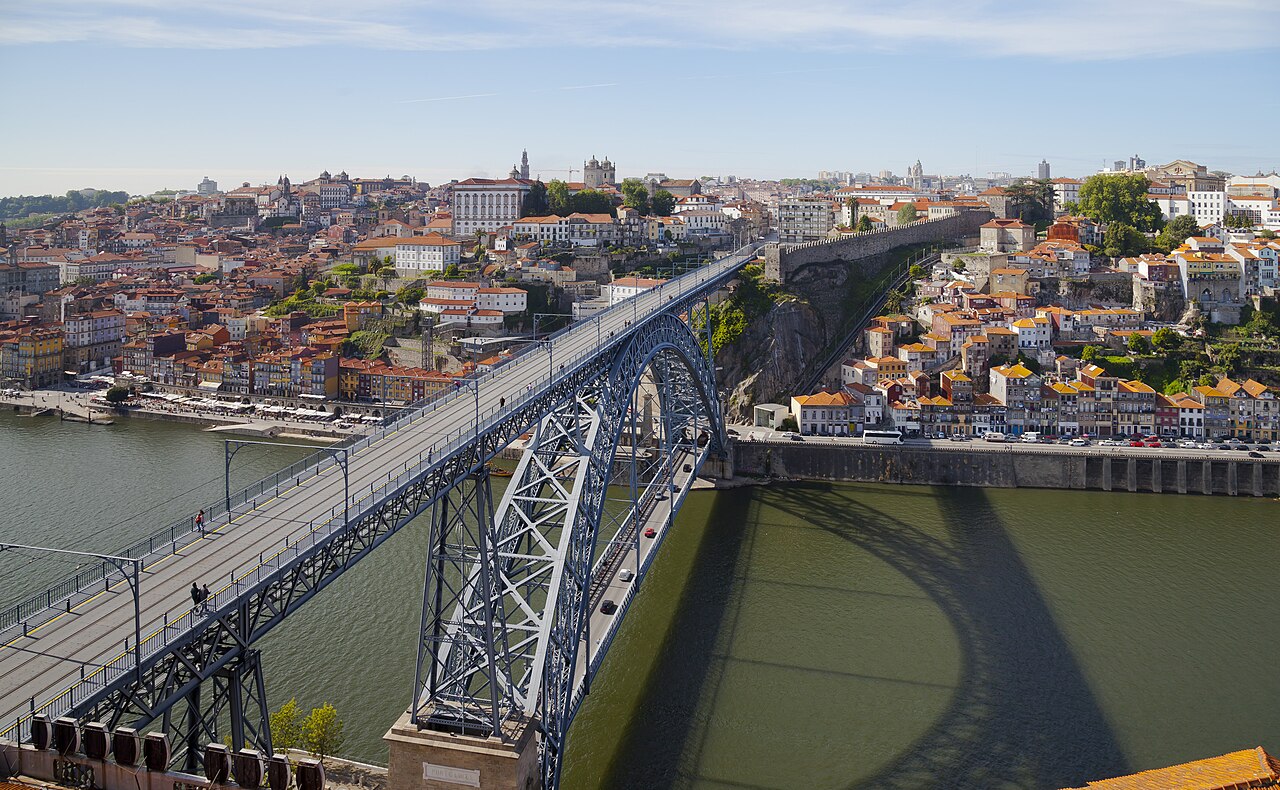
Porto
The Genesis of a Port City
Porto's origins are deeply intertwined with its geographical setting at the estuary of the Douro River, a natural harbor that has attracted human settlement since prehistoric times. Archaeological evidence points to early occupation by indigenous peoples, but it was the Romans who recognized and developed its strategic potential. They established a significant settlement named Portus Cale, which not only served as a vital port for the region but also lent its name to the nascent nation of Portugal.
This early Roman infrastructure laid the groundwork for Porto's future as a commercial hub. The city's topography, characterized by steep hills leading down to the river, influenced its urban development, creating a distinctive, layered cityscape. The Douro's powerful flow and its connection to the Atlantic Ocean have always dictated Porto's destiny, shaping its economy, culture, and architectural evolution.
Centuries of Maritime Prowess and Economic Evolution
Throughout the Middle Ages and into the Age of Discovery, Porto solidified its status as a crucial maritime power. Its shipyards were instrumental in building vessels that explored new worlds, and its port facilitated the exchange of goods that fueled Portugal's empire. The city's economic trajectory has been significantly shaped by its primary export: wine.
The unique microclimate and terroir of the Douro Valley, upstream from Porto, produce grapes ideally suited for fortification. This wine, known globally as Port wine, became the economic engine of the region. The development of specialized cellars in Vila Nova de Gaia, directly across the river from Porto, allowed for the aging and blending of this distinctive beverage.
This symbiotic relationship between the Douro Valley vineyards and Porto's port facilities has sustained the city's prosperity for centuries, making it a focal point for international commerce and viticulture.
The Enduring Significance of Porto's Port and Identity
Porto's importance today is multifaceted. Economically, its port remains a significant contributor to Portugal's trade balance, handling a wide array of goods. However, its cultural and historical significance is arguably even greater.
The Ribeira district, a UNESCO World Heritage site, stands as a living testament to Porto's rich past, with its narrow, winding streets and historic buildings reflecting centuries of urban life. The city's identity is inextricably linked to Port wine, a product that has not only driven its economy but also defined its cultural landscape and attracted global attention. The annual influx of tourists, drawn by its history, gastronomy, and the allure of Port wine, underscores Porto's enduring appeal as a destination.
Furthermore, Porto has emerged as a center for innovation and education, with a growing reputation in fields like technology and design, demonstrating its capacity for adaptation and future growth.
Engineering Marvels
The iconic bridges spanning the Douro River are more than just crossings; they are engineering feats that symbolize Porto's ambition and connection. The Dom Luís I Bridge, a masterpiece of 19th-century iron construction designed by Théophile Seyrig (a partner of Gustave Eiffel), is a prime example. Its imposing double-deck structure allows for both vehicular and pedestrian traffic, offering panoramic views of the city and river.
Other notable bridges, such as the Maria Pia Bridge (also designed by Eiffel) and the modern Infante D. Henrique Bridge, further enhance the city's connectivity and skyline. Historically, the Rabelo boats were the workhorses of the Douro, their distinctive design perfectly suited for navigating the river's treacherous rapids while transporting wine barrels from the Quintas to the cellars.
Though largely replaced by modern transport, these traditional boats remain a powerful visual symbol of Porto's heritage, often participating in regattas and festivals, keeping the spirit of the river alive.
Go deeper
Based on content from Wikipedia · Licensed under CC BY-SA 4.0