

Bridges: Super Connectors!
Images

Bridge




The Physics and Philosophy of Bridging Gaps
Bridges represent a fundamental human endeavor to conquer geographical limitations through applied physics and innovative design. At their core, bridges are load-bearing structures that transfer weight from a deck to foundations. This involves understanding forces like tension (pulling apart) and compression (pushing together).
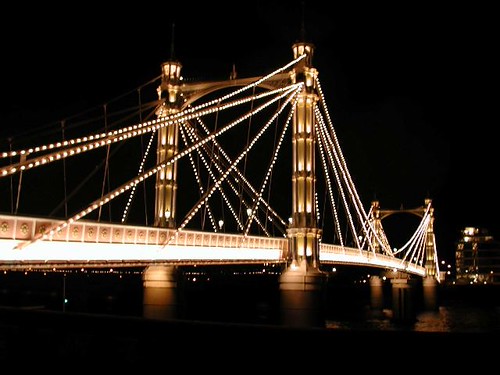
Different bridge types, such as beam, arch, truss, suspension, and cable-stayed, employ distinct structural principles to manage these forces efficiently. For instance, arch bridges rely on compression, channeling forces into abutments, while suspension bridges utilize tension in their main cables to support the deck. The choice of design is a complex interplay of span length, site geology, material properties, aesthetic considerations, and economic feasibility.
The very act of building a bridge is a philosophical statement about overcoming division and fostering connection, transforming landscapes and human interaction.
A Chronological Tapestry of Bridge Evolution
The history of bridges mirrors the progression of human civilization and technological advancement. Early bridges, often simple logs or stepping stones, sufficed for basic needs. The Romans revolutionized bridge building with their mastery of the arch and the use of concrete, creating structures of unprecedented durability and scale, many of which still exist.
Medieval engineers refined truss designs. The advent of the Industrial Revolution, with its mass production of iron and later steel, ushered in an era of monumental bridges. The development of suspension and cantilever bridges in the 19th and 20th centuries enabled the crossing of vast waterways and deep valleys, exemplified by iconic structures like the Brooklyn Bridge and the Golden Gate Bridge.
Today, advanced materials like high-strength concrete and composites, coupled with sophisticated computer modeling, allow for increasingly complex and efficient designs, such as the Millau Viaduct, the world's tallest bridge.
Socio-Economic Catalysts
Bridges are far more than mere transit routes; they are critical economic and social infrastructure that profoundly shapes societies. Economically, they are indispensable for trade and commerce, reducing logistics costs and travel times, thereby increasing market access and fostering economic growth. They enable the efficient movement of raw materials to factories and finished goods to consumers.
Socially, bridges connect communities, reduce isolation, and facilitate access to education, healthcare, and employment opportunities. They can integrate disparate regions, promote cultural exchange, and enhance national cohesion. The presence or absence of robust bridge networks can significantly influence urban development patterns, population distribution, and overall quality of life.
Investing in bridge infrastructure is thus a direct investment in a nation's economic vitality and social well-being.
Contemporary Challenges and Future Horizons in Bridge Design
Modern bridge engineering faces a dynamic set of challenges and opportunities. Sustainability is a paramount concern, driving the use of eco-friendly materials, energy-efficient construction methods, and designs that minimize environmental impact. Resilience is another key focus, with engineers designing bridges to withstand extreme weather events, seismic activity, and the stresses of increased traffic loads. The integration of smart technologies, such as sensors for structural health monitoring, is becoming increasingly common, allowing for predictive maintenance and enhanced safety.
Furthermore, aesthetic considerations are gaining prominence, with bridges increasingly viewed as architectural landmarks that contribute to a city's identity. Future innovations may involve self-healing materials, modular construction techniques, and bridges that generate their own power, further blurring the lines between infrastructure and advanced technology.
Go deeper
Frequently Asked Questions
What is a bridge and how does it help us?+
Why do different types of bridges use different designs?+
How did bridges change over time?+
Why are bridges important for people and economies?+
What are modern bridges trying to do differently?+
Based on content from Wikipedia · Licensed under CC BY-SA 4.0