

Polio Vaccine: The Shot That Saved Millions!
Images
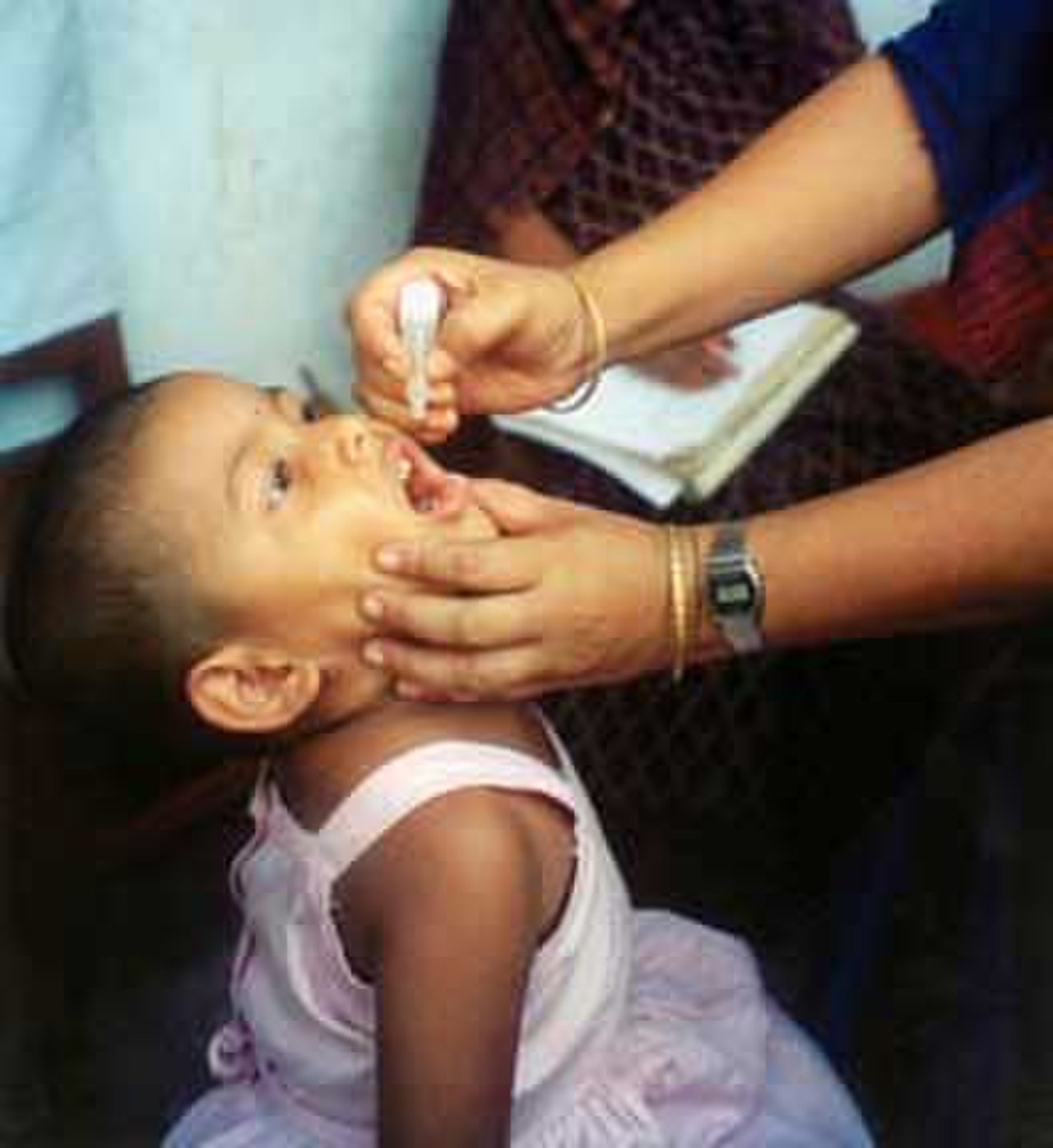
Polio vaccine


The Scourge of Polio
Before the advent of effective vaccines, poliomyelitis, commonly known as polio, represented a significant global health crisis. This highly contagious viral disease, primarily affecting children under five, could lead to irreversible paralysis, respiratory failure, and even death. Epidemics were a recurring nightmare, particularly in the mid-20th century, causing widespread panic and societal disruption.
The visual imagery of children in iron lungs or confined to wheelchairs became a stark symbol of the disease's devastating potential. Public health measures like quarantines and the avoidance of public spaces were common, but they offered little true protection. The sheer scale of suffering and the constant threat of outbreaks fueled an intense scientific endeavor to find a definitive solution, a way to immunize populations against this relentless pathogen and reclaim normalcy for communities worldwide.
Pioneering Immunization
The development of the polio vaccine was a monumental scientific undertaking, largely credited to the groundbreaking work of Dr. Jonas Salk and Dr. Albert Sabin.
Dr. Salk's Inactivated Polio Vaccine (IPV), introduced in 1955, utilized a 'killed' virus, administered via injection. This approach was rigorously tested and proved highly effective in preventing paralytic polio.
Following Salk's success, Dr. Sabin developed the Oral Polio Vaccine (OPV) in the late 1950s and early 1960s. OPV used a live, attenuated (weakened) virus, which could be administered orally, often on a sugar cube or in liquid form.
This method offered several advantages, including ease of administration, lower cost, and the ability to induce gut immunity, which helped prevent transmission. The parallel development and subsequent widespread use of both IPV and OPV marked a turning point in infectious disease control.
Immunological Mechanisms
The efficacy of polio vaccines lies in their ability to safely prime the human immune system to recognize and combat the poliovirus. IPV, containing inactivated virus particles, elicits a humoral immune response. B cells are activated to produce specific antibodies, primarily IgG, which circulate in the bloodstream and neutralize the virus before it can reach the central nervous system and cause paralysis.
OPV, on the other hand, replicates to a limited extent in the intestinal tract, mimicking a natural infection without causing disease. This stimulates both humoral immunity (producing antibodies like IgA and IgG) and mucosal immunity, which is crucial for preventing viral shedding and transmission within communities. The attenuated viruses in OPV are carefully selected to lose their neurovirulence (ability to harm the nervous system) while retaining their immunogenicity (ability to provoke an immune response).
The Global Eradication Effort
The polio vaccine is a cornerstone of global public health initiatives, most notably the Global Polio Eradication Initiative (GPEI), launched in 1988. This ambitious undertaking, led by national governments with support from organizations like the WHO, UNICEF, and Rotary International, has achieved remarkable success. Through mass vaccination campaigns, routine immunization programs, and sophisticated surveillance systems, the incidence of polio has plummeted by over 99.9%.
Wild poliovirus has been eliminated from all but two countries (Afghanistan and Pakistan) as of early 2024. This near-eradication has saved millions of lives and prevented countless cases of paralysis, demonstrating the power of coordinated international efforts and scientific innovation. The ongoing challenge lies in reaching every child with the vaccine and addressing the complexities of vaccine-derived poliovirus strains.
Legacy and Future Implications
The success of the polio vaccine has had a profound and lasting legacy, serving as a model for other disease eradication efforts and shaping modern vaccinology. It underscored the feasibility of global health cooperation and the critical role of sustained political will and funding. The scientific advancements made in developing and deploying polio vaccines paved the way for innovations in other vaccine technologies.
Furthermore, the ongoing efforts to eradicate polio continue to strengthen global health infrastructure, improving disease surveillance and response capabilities that can be applied to other emerging infectious threats. The lessons learned from the decades-long fight against polio remain invaluable as the world faces new public health challenges, highlighting the enduring importance of vaccination as a primary tool for disease prevention and global well-being.
Go deeper
Based on content from Wikipedia · Licensed under CC BY-SA 4.0