

Jonas Salk: The Hero Who Fought Polio!
Images
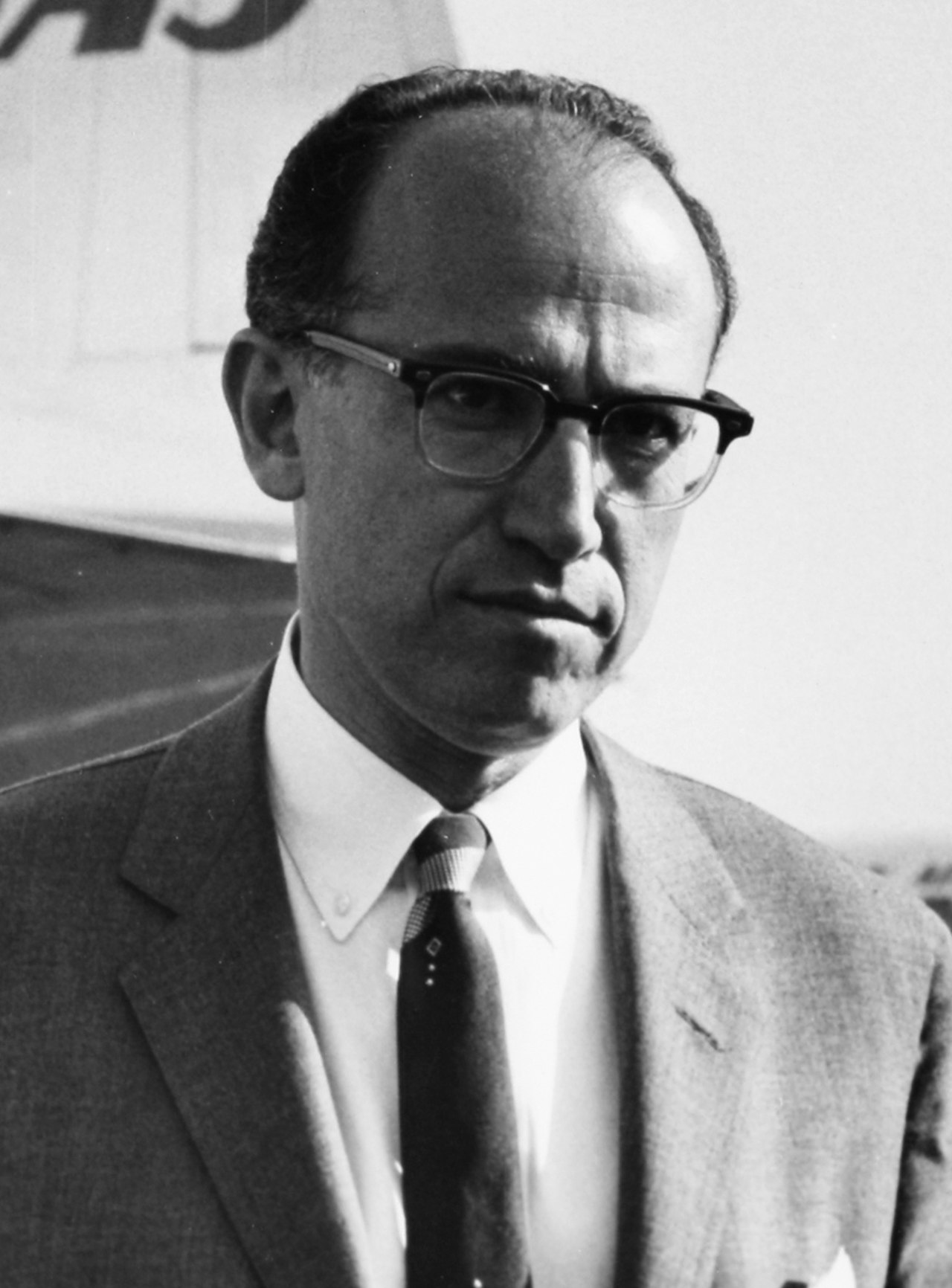
Jonas Salk
The Scourge of Polio and the Urgency for a Solution
The mid-20th century was a period of significant public health challenges, with poliomyelitis standing out as one of the most feared. The virus, highly contagious and often striking children, could lead to lifelong paralysis, respiratory failure, and death. Epidemics swept through communities, instilling widespread panic and overwhelming medical facilities.
The social and economic impact was immense, with parents living in constant anxiety and public spaces often shuttered during outbreaks. This pervasive fear created an urgent, global demand for an effective preventative measure. The scientific community was actively engaged in finding a solution, but the complexity of the virus and the scale of the problem presented formidable obstacles.
It was within this context of crisis and scientific endeavor that Jonas Salk emerged as a pivotal figure.
Salk's Innovative Approach
Jonas Salk, born in 1914 in New York City, was a physician and medical researcher who dedicated his career to understanding and combating infectious diseases. While working at the University of Pittsburgh School of Medicine, he focused on developing a vaccine against polio. At the time, the prevailing scientific thought leaned towards using a live, attenuated (weakened) virus.
However, Salk pursued a different, arguably more conservative, strategy: the development of an inactivated polio vaccine (IPV). He meticulously researched the three different serotypes of the poliovirus, growing them in laboratory cultures and then treating them with formaldehyde to render them incapable of replication or causing disease. This inactivation process was critical; it ensured that the vaccine could stimulate a robust immune response-producing antibodies-without posing any risk of infection to the recipient.
This approach was groundbreaking and required immense precision and rigorous testing.
The Monumental 1954 Field Trial and Its World-Changing Announcement
The efficacy and safety of Salk's IPV were put to the ultimate test in the landmark 1954 polio vaccine field trial, the largest medical experiment in history at the time. Involving over 1.8 million children, known as 'Polio Pioneers,' across the United States, Canada, and Puerto Rico, the trial was a massive undertaking. The study employed a double-blind, placebo-controlled design, where neither the participants nor the researchers administering the vaccine knew who was receiving the actual IPV and who was receiving a placebo.
On April 12, 1955, the results were announced at the University of Michigan, confirming that the Salk vaccine was 60-90% effective against paralytic polio and, crucially, safe. The news was met with unprecedented public celebration, signifying a monumental victory against a devastating disease and ushering in a new era of public health.
A Legacy of Scientific Achievement and Unparalleled Generosity
The impact of Jonas Salk's work cannot be overstated. The widespread adoption of his polio vaccine led to a dramatic decline in polio cases globally, effectively eradicating the disease in many parts of the world and transforming the lives of millions. Beyond his scientific brilliance, Salk's humanitarian ethos is perhaps his most enduring legacy.
When asked about patenting his vaccine, he famously stated, 'The people, I would say. Is it patentable? There is no patent.' By choosing not to patent his discovery, Salk ensured that the vaccine could be produced and distributed affordably, prioritizing public health over personal profit.
This act of profound generosity cemented his status not only as a scientific hero but also as a model of humanitarian commitment, inspiring future generations of researchers and medical professionals to consider the broader societal implications of their work.
Go deeper
Frequently Asked Questions
What did Jonas Salk do to help stop polio?+
How did the polio vaccine work without causing illness?+
Why was the 1954 polio vaccine trial so big?+
What happened when the vaccine results were announced?+
Did Jonas Salk keep the vaccine for himself or share it?+
Based on content from Wikipedia · Licensed under CC BY-SA 4.0