

Plant Breeding: Making Plants Super!
Images
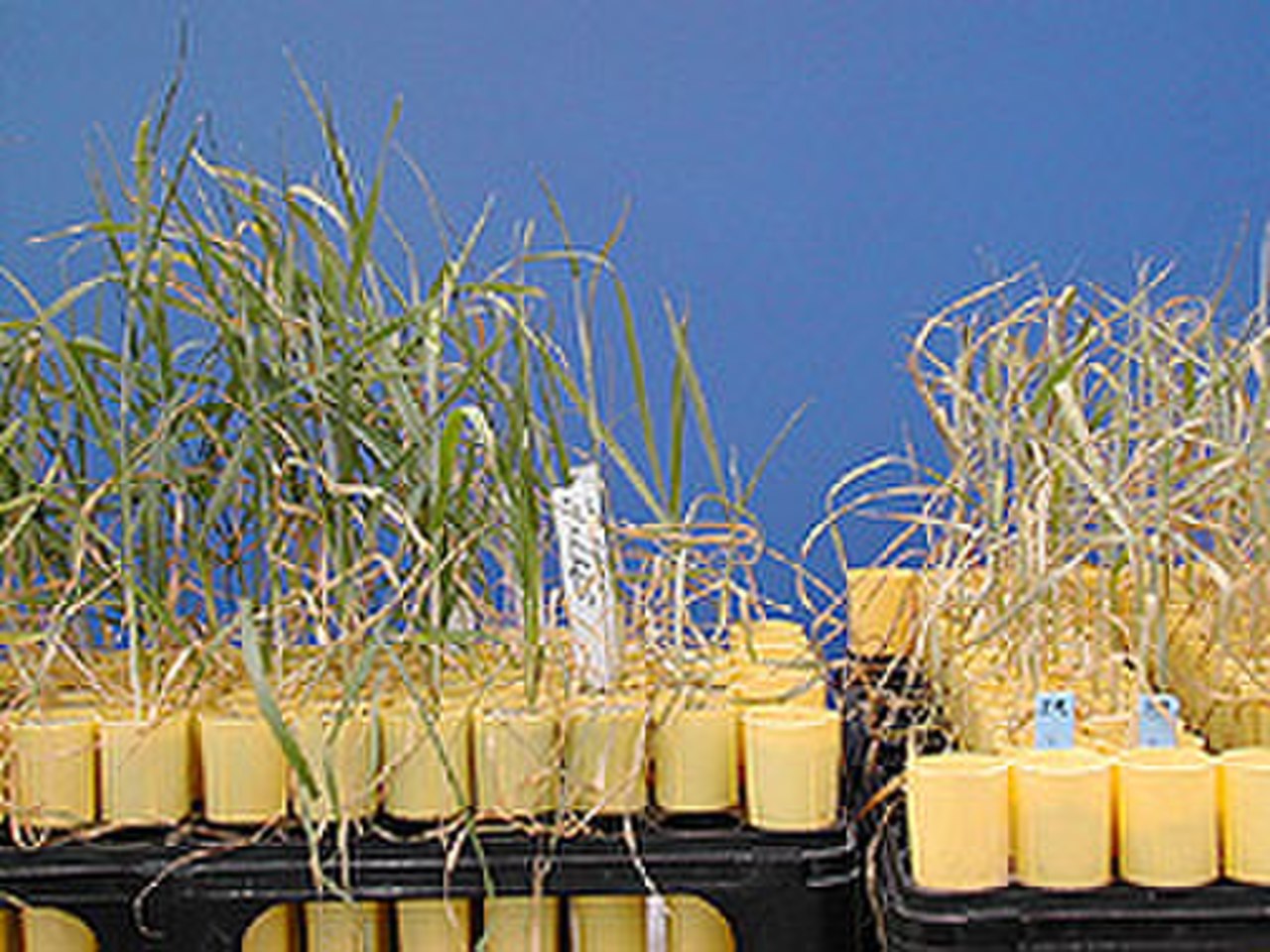
Plant breeding


Foundations of Plant Improvement
Plant breeding is a sophisticated discipline focused on manipulating the genetic makeup of plants to enhance desirable characteristics. At its core lies the principle of selection, a process that has been implicitly practiced since the dawn of agriculture. Early farmers identified and propagated plants exhibiting superior phenotypes, such as increased seed production, larger fruit size, or improved palatability, thereby initiating domestication.
Modern plant breeding formalizes this by employing both mass selection and individual plant selection. Hybridization, the intentional crossing of genetically distinct parent lines, is another cornerstone technique. By combining the genetic material of two parents, breeders aim to create novel combinations of alleles in the offspring, often exploiting phenomena like heterosis (hybrid vigor) to achieve superior performance in hybrid varieties.
This requires a deep understanding of plant reproductive biology, genetics, and quantitative inheritance to predict and achieve desired outcomes across generations.
A Historical Trajectory
The practice of plant breeding has evolved dramatically over millennia. Initial efforts were empirical, relying on observation and the saving of seeds from the most productive plants. The discovery of Mendelian genetics in the early 20th century revolutionized the field, providing a theoretical framework for understanding inheritance patterns. Gregor Mendel's work on pea plants elucidated the principles of segregation and independent assortment, allowing breeders to predict the outcomes of crosses with greater accuracy.
This led to the development of pure-line selection and controlled hybridization programs. The mid-20th century saw the advent of the Green Revolution, driven by the development of high-yielding, semi-dwarf varieties of wheat and rice through intensive breeding efforts. This period underscored the immense potential of plant breeding to address global food shortages and highlighted the importance of research and development in agricultural science.
The Indispensable Role of Plant Breeding in a Sustainable Future
Plant breeding is intrinsically linked to global food security and environmental sustainability. As the world population continues to grow, the demand for food escalates, necessitating increased agricultural productivity. Plant breeding provides the tools to achieve this by developing crops with higher yields per unit area, thereby reducing land-use pressure.
Furthermore, breeding for enhanced stress tolerance – including resistance to biotic stresses like pathogens and pests, and abiotic stresses such as drought, salinity, and extreme temperatures – is crucial for adapting agriculture to a changing climate and ensuring stable food production in marginal environments. Beyond yield and resilience, breeding programs increasingly focus on improving the nutritional quality of staple crops (biofortification) to combat micronutrient deficiencies, and on developing plants that require fewer inputs like water and fertilizers, thereby minimizing agriculture's environmental footprint and promoting sustainable farming practices.
Advanced Breeding Methodologies
Contemporary plant breeding leverages cutting-edge technologies to accelerate and refine the development of new varieties. Genomics, the study of an organism's complete set of genes, has provided powerful tools. Marker-assisted selection (MAS) utilizes DNA markers linked to desirable genes to identify superior individuals early in the breeding cycle, significantly reducing the time and resources required compared to traditional phenotypic selection.
Genomic selection (GS) goes further by using genome-wide marker data to predict the breeding value of individuals. Biotechnology also offers transformative capabilities. Genetic engineering (GE) allows for the precise introduction of genes from any organism into a plant, enabling the rapid development of traits that might be unattainable through conventional breeding. Techniques like CRISPR-Cas9 gene editing offer even more precise modifications to a plant's own genome.
These advanced methodologies are expanding the breeder's toolkit, enabling the creation of crops with unprecedented levels of performance and resilience.
Case Studies in Breeding Innovation and Impact
The impact of plant breeding is evident in numerous success stories. The development of disease-resistant potato varieties has been critical in preventing widespread crop failures, reminiscent of the Irish Potato Famine. In cereals, breeding efforts have led to the creation of hybrid corn varieties that exhibit significantly higher yields and adaptability to diverse growing conditions, forming the backbone of global corn production.
The development of genetically modified (GM) crops, such as Bt cotton and Bt corn, which produce their own insecticide, has reduced the need for external pesticide applications, benefiting both farmers and the environment. Similarly, drought-tolerant maize varieties are being deployed in water-scarce regions, offering a lifeline to farmers facing increasing climatic challenges. These examples illustrate the profound and multifaceted contributions of plant breeding to agricultural productivity, economic stability, and human well-being on a global scale.
Go deeper
Frequently Asked Questions
What is plant breeding?+
How do farmers make plants bigger or tastier?+
Why do scientists cross different plants together?+
How does plant breeding help people who don’t have enough food?+
What are some ways plant breeding can protect the planet?+
Based on content from Wikipedia · Licensed under CC BY-SA 4.0