

The Great Potato Sadness in Ireland
Images

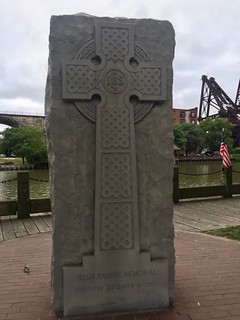
Statue for the Irish Potato Famine




The Socioeconomic Landscape of Pre-Famine Ireland
Prior to the mid-19th century, Ireland's population had grown significantly, with a large proportion of the rural poor heavily reliant on the potato. This reliance was not merely a dietary preference but a necessity driven by a complex socioeconomic system. Land ownership was concentrated in the hands of a few, often absentee landlords, while the majority of the population were tenant farmers or landless laborers.
The potato's high caloric yield per acre allowed subsistence farming on small plots, making it the most efficient way to feed a growing population with limited resources. This monoculture, particularly the widespread cultivation of the 'Lumper' variety, created a precarious dependency, leaving the population extremely vulnerable to crop failure. The political and economic policies of the British Empire also played a significant role, with Ireland often treated as a source of raw materials and agricultural produce rather than a self-sufficient nation.
The Pathogen and the Pandemic
The catalyst for the famine was the arrival of Phytophthora infestans, an oomycete (water mold) that thrives in cool, wet conditions. The blight spread with unprecedented speed and virulence across Ireland, beginning in 1845. Its impact was catastrophic, destroying potato crops year after year.
The disease attacks both the leaves and the tubers, rendering them inedible and unusable for food or seed. The lack of genetic diversity in the potato crop meant that virtually all susceptible plants were affected. The blight's rapid spread and the complete destruction of the staple food source created an immediate and overwhelming crisis, leading to widespread starvation and disease as people's nutritional reserves were depleted.
An Gorta Mór
The period from 1845 to 1852 is known as the Great Hunger (An Gorta Mór). The immediate consequence of crop failure was mass starvation. However, starvation was often compounded by disease.
Malnourished individuals were highly susceptible to infectious diseases such as typhus, relapsing fever, dysentery, and cholera, which spread rapidly through weakened populations, particularly in workhouses and overcrowded living conditions. The British government's response, while involving some relief efforts, is widely criticized for its inadequacy and adherence to laissez-faire economic principles. Measures like the Corn Laws repeal and public works programs were often insufficient or poorly managed, failing to address the scale of the crisis.
The continued export of other food crops from Ireland during the famine remains a deeply contentious issue.
The Enduring Legacy
The famine irrevocably altered Ireland's demographic landscape. An estimated one million people died from starvation and disease, and another million emigrated during the famine years, initiating a pattern of mass emigration that continued for decades. This exodus led to a dramatic decline in Ireland's population, which has never fully recovered.
The famine fostered a deep sense of loss, trauma, and resentment, significantly influencing Irish nationalism and the subsequent struggle for independence. The vast Irish diaspora, spread across North America, Australia, and Britain, became a powerful cultural and political force. The memory of the famine continues to shape Irish identity, historical narratives, and the relationship between Ireland and its global descendants, serving as a stark reminder of the devastating consequences of food insecurity and societal vulnerability.
Go deeper
Frequently Asked Questions
What was the Great Potato Sadness in Ireland?+
Why did the potato blight spread so quickly in Ireland?+
How many people were affected by the Great Potato Sadness?+
Where did Irish people go after the famine?+
Why was the British government criticized for its help during the famine?+
Based on content from Wikipedia · Licensed under CC BY-SA 4.0