

Farming for Fun and Food!
Images
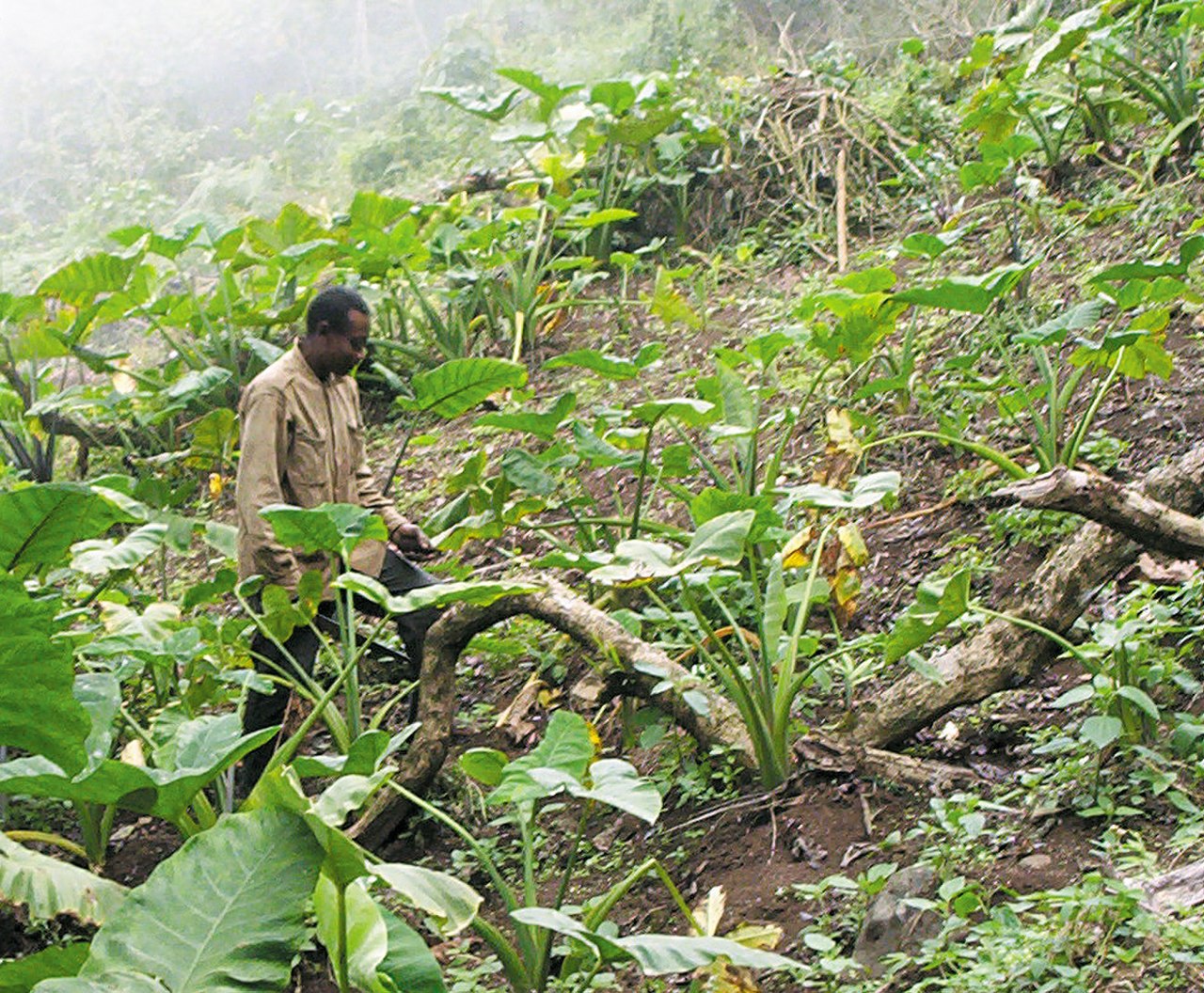
Subsistence agriculture
Defining Subsistence Agriculture
Subsistence agriculture represents a mode of farming primarily focused on producing food and other necessities for the direct consumption of the farmer's household or local community, with minimal surplus generated for market exchange. This practice is characterized by its emphasis on self-reliance and the direct satisfaction of basic needs. Unlike commercial agriculture, which is driven by profit motives and market demands, subsistence farming is intrinsically linked to the survival and well-being of the farming unit.
The types of crops cultivated and livestock raised are dictated by local ecological conditions, cultural preferences, and nutritional requirements, often leading to a high degree of biodiversity on individual farms. This approach has historically been the dominant form of food production for millennia, shaping human settlement patterns and societal structures.
The Genesis and Evolution of Subsistence Farming
The origins of subsistence agriculture are deeply intertwined with the Neolithic Revolution, approximately 10,000 years ago, when humans transitioned from nomadic hunter-gatherer lifestyles to settled agrarian societies. Early farmers cultivated local crops like wheat, barley, and rice, and domesticated animals such as sheep, goats, and cattle, solely to sustain their immediate communities. This shift allowed for population growth and the development of more complex social organizations.
For most of recorded history, subsistence farming was the norm, forming the economic bedrock of villages and early civilizations. While the advent of industrialization and global trade led to the rise of commercial agriculture, subsistence practices persisted and continue to be vital in many regions, often adapting to new challenges while retaining core principles.
Socio-Economic and Environmental Significance
The enduring significance of subsistence agriculture lies in its critical role in global food security, particularly for vulnerable populations in low-income countries. It provides a direct and often primary source of nutrition for hundreds of millions of people, buffering them against the volatility of global food markets. Furthermore, subsistence farming practices often contribute to the preservation of agrobiodiversity, as farmers tend to cultivate a wide array of traditional, locally adapted crop varieties and livestock breeds, which are crucial for genetic resource conservation.
Environmentally, while small-scale, it can foster sustainable land management practices, though it can also lead to land degradation if population pressure or resource scarcity forces intensive cultivation without adequate replenishment. Culturally, it is a powerful vehicle for transmitting traditional knowledge, practices, and social structures across generations.
Operational Dynamics and Technological Adaptations
The operational mechanics of subsistence agriculture are diverse but generally involve small landholdings and labor-intensive methods. Farmers often employ traditional techniques such as intercropping, fallowing, and manual tilling using simple tools like hoes, machetes, and plows drawn by draft animals (e.g., oxen, water buffalo). Irrigation may be rudimentary, relying on rainfall, gravity-fed systems, or local water sources. Family labor is the primary workforce, with all members contributing to planting, weeding, pest control, and harvesting.
In contemporary contexts, some subsistence farmers integrate modest technological advancements, such as improved seed varieties or basic mechanization, to enhance productivity while still prioritizing household needs over market surplus. The decision-making process is highly localized, responding directly to immediate environmental and household conditions.
Contemporary Challenges and Future Prospects
Subsistence agriculture today faces numerous complex challenges. Climate change poses a significant threat through unpredictable weather patterns, increased droughts, and floods, impacting crop yields. Land scarcity, driven by population growth and urbanization, can lead to over-cultivation and soil exhaustion.
Market integration, while offering potential benefits, can also expose smallholders to price fluctuations and competition from larger agricultural enterprises. Furthermore, the migration of younger generations to urban areas can lead to a loss of traditional farming knowledge and a shrinking labor force. Despite these hurdles, subsistence agriculture remains a resilient system. Future prospects may involve supporting these farmers with climate-resilient crops, improved access to sustainable technologies, fair market access for any surplus, and policies that recognize and value their role in food security and biodiversity conservation.
Go deeper
Frequently Asked Questions
What is subsistence agriculture?+
How did farming begin so people could stay in one place?+
Why is subsistence farming still important today?+
What tools do subsistence farmers use?+
How does subsistence farming help the environment?+
Based on content from Wikipedia · Licensed under CC BY-SA 4.0