

Cultivar: Plants Made Special!
Images

Cultivar





The Genesis of Cultivars
A cultivar represents a distinct and stable group of plants within a taxonomic category, most commonly a species, that has been intentionally developed by humans for specific characteristics. Unlike naturally occurring varieties or subspecies, cultivars are the product of deliberate human intervention, primarily through selective breeding and propagation. This process began in the earliest days of agriculture, where ancient farmers observed and favored plants exhibiting traits like larger seed heads, increased yield, or improved palatability.
For example, the domestication of maize (corn) from its wild ancestor, teosinte, over thousands of years is a prime example of cultivar development, transforming a small, insignificant grass into a staple food crop. The scientific classification of cultivars is complex, often falling under the International Code of Nomenclature for Cultivated Plants (ICNCP), which provides guidelines for naming and recognizing these human-selected plant groups.
Mechanisms of Cultivar Development and Maintenance
The creation of a cultivar involves identifying a plant with a desirable mutation or trait and then ensuring its consistent reproduction. This can be achieved through various methods: sexual reproduction (cross-pollination followed by selection of offspring), asexual reproduction (cloning through cuttings, grafting, or tissue culture), or even induced mutations using chemicals or radiation. Once a stable cultivar is established, it must be maintained to preserve its unique characteristics.
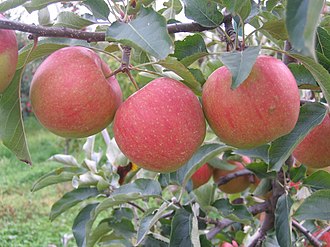
This is crucial because many cultivars, especially those developed through asexual means, may not breed true from seed. For instance, a 'Granny Smith' apple tree grafted onto rootstock will produce apples identical to the parent tree, whereas seeds from a 'Granny Smith' apple would likely result in a new, unpredictable variety. The ongoing maintenance and identification of cultivars are vital for agriculture, horticulture, and genetic resource conservation.
The Expansive Landscape of Modern Cultivars
The impact of cultivars is profoundly evident across global agriculture and horticulture. In agriculture, cultivars are optimized for yield, disease resistance, climate adaptability, and nutritional content. For instance, rice cultivars have been developed to thrive in diverse environments, from waterlogged paddies to drier upland conditions, significantly contributing to global food security.
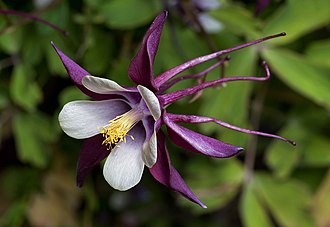
Similarly, the vast array of vegetable cultivars, such as the hundreds of tomato varieties differing in size, color, flavor, and growth habit, provides consumers with unparalleled choice and culinary possibilities. In horticulture, cultivars are bred for aesthetic qualities like flower color, size, fragrance, and plant form, leading to the vibrant diversity seen in ornamental gardens, landscaping, and the cut flower industry. The 'Peace' rose, a world-renowned cultivar, exemplifies the success of breeding for specific visual appeal and robustness.
Societal and Ecological Ramifications of Cultivars
The development and widespread adoption of cultivars have reshaped human societies and ecosystems. They are the bedrock of modern agricultural productivity, enabling larger populations to be fed from less land. However, this reliance on a limited number of highly productive cultivars can also lead to reduced genetic diversity within crops, making agricultural systems more vulnerable to new pests, diseases, or climate shifts.
This genetic bottleneck is a significant concern for long-term food security. Furthermore, the introduction of specific cultivars can have ecological impacts, potentially outcompeting native plant species or altering local biodiversity. Understanding the science and impact of cultivars is therefore essential for sustainable agriculture, conservation efforts, and appreciating the intricate relationship between humans and the plant kingdom.
Go deeper
Frequently Asked Questions
What is a cultivar?+
How do people create a new cultivar?+
Why are cultivars important for food and gardens?+
How do growers keep a cultivar the same when planting new trees?+
Can a cultivar be made from a seed or does it need special methods?+
Based on content from Wikipedia · Licensed under CC BY-SA 4.0