

The Amazing Bean!
Images

Phaseolus vulgaris


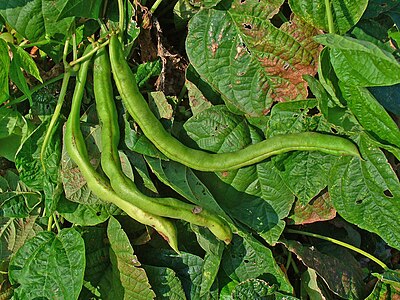


The Genesis and Global Dissemination of Phaseolus vulgaris
The Phaseolus vulgaris, commonly known as the common bean, boasts a fascinating origin story rooted in the ancient Americas. Archaeological and genetic evidence points to independent domestication events in Mesoamerica and the Andean region, likely occurring between 7,000 and 10,000 years ago. These early agriculturalists meticulously selected for traits such as yield, seed size, and palatability, leading to the vast genetic diversity observed today across hundreds of distinct landraces and cultivars.
Following the Columbian Exchange, Phaseolus vulgaris embarked on a global journey, rapidly integrating into agricultural systems and culinary traditions across Europe, Africa, and Asia. Its adaptability to diverse climates and soil types, coupled with its high nutritional value and ease of cultivation, cemented its status as a critical food security crop worldwide, profoundly influencing global diets and economies.
Unraveling the Diversity
The phenotypic and genetic diversity within Phaseolus vulgaris is staggering, encompassing a wide array of growth habits, pod morphologies, and seed characteristics. Varieties range from bush types to climbing pole beans, with seed shapes varying from the familiar kidney and pinto to the smaller navy and cranberry beans, and the distinctively colored black and white varieties. This diversity is not merely aesthetic; it reflects adaptation to specific environmental conditions and culinary preferences.
For instance, certain beans are prized for their quick cooking times, while others offer unique textures ideal for specific dishes like refried beans, stews, or fresh salads. The genetic makeup of Phaseolus vulgaris allows for continuous breeding and development of new varieties, ensuring its relevance and utility in a changing agricultural landscape and evolving global cuisine.
Nutritional Profile and Health Implications
Phaseolus vulgaris is a nutritional powerhouse, offering a compelling combination of macronutrients and micronutrients that contribute significantly to human health. It stands out as an exceptional source of plant-based protein, providing essential amino acids crucial for tissue repair, enzyme function, and immune response, making it a vital component of vegetarian and vegan diets. The high dietary fiber content, both soluble and insoluble, aids in digestive health, helps regulate blood sugar levels, and promotes satiety, which can be beneficial for weight management.
Furthermore, beans are rich in complex carbohydrates, providing sustained energy release. Their micronutrient profile includes significant amounts of iron, folate, magnesium, potassium, and various antioxidants, all of which play critical roles in preventing chronic diseases and supporting overall well-being. The accessibility and affordability of these nutritional benefits make Phaseolus vulgaris a key player in global public health initiatives.
Agronomic Advantages and Sustainable Agriculture
Beyond its culinary and nutritional merits, Phaseolus vulgaris offers substantial agronomic and environmental benefits, positioning it as a cornerstone of sustainable agriculture. As a legume, it possesses the remarkable ability to engage in symbiotic nitrogen fixation with rhizobial bacteria in its root nodules. This process converts atmospheric nitrogen (N2) into ammonia (NH3), a form readily usable by plants, thereby enriching soil fertility naturally.
This significantly reduces the need for synthetic nitrogen fertilizers, which are energy-intensive to produce and can lead to environmental issues like water pollution and greenhouse gas emissions. Moreover, the fibrous root systems of beans help improve soil structure, enhance water infiltration, and reduce soil erosion. Their relatively low water requirements and ability to thrive in marginal lands make them a resilient and valuable crop in the face of climate change and increasing demands for food production.
See also
Frequently Asked Questions
What is the common bean and where did it come from?+
Why are there so many different kinds of beans?+
How do beans help the planet?+
What makes beans good for our bodies?+
Where do beans grow around the world?+
Based on content from Wikipedia · Licensed under CC BY-SA 4.0