

Peterhof Palace
Images
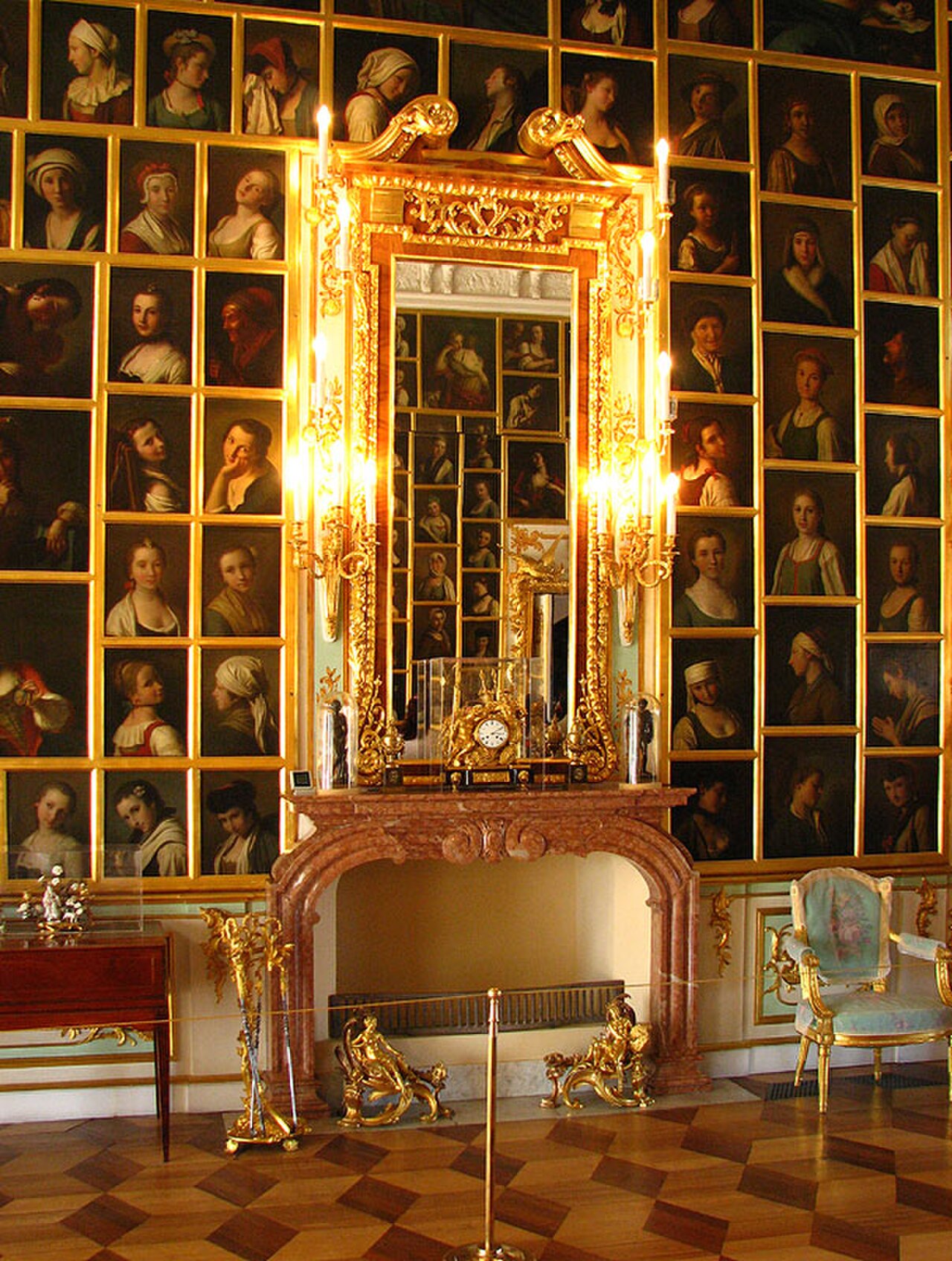
Peterhof palace 11


The Genesis of a Russian Imperial Statement
Peterhof Palace, situated on the southern shore of the Gulf of Finland, represents a pivotal moment in Russian imperial history and architectural ambition. Commissioned by Peter the Great in 1709, its initial purpose as a country residence rapidly evolved following his 1717 visit to the Palace of Versailles. This encounter profoundly influenced Peter's vision, leading him to aspire to create a Russian counterpart that would not only rival but perhaps even surpass the French royal splendor.
The architectural direction was spearheaded by Domenico Trezzini, who established the foundational Petrine Baroque style that would come to define much of Saint Petersburg's early architectural identity. Simultaneously, the landscape design, conceived by Jean-Baptiste Alexandre Le Blond, drew heavily from the principles of French formal gardens, particularly those of Versailles, aiming for symmetry, axiality, and a harmonious integration of nature and artifice.
This deliberate emulation and adaptation of Western European styles underscored Peter's broader agenda of modernizing and Westernizing Russia.
Engineering the Spectacle
The most iconic and technically astounding feature of Peterhof is its elaborate network of fountains, a testament to 18th-century engineering prowess. Unlike many contemporary or later fountain systems that relied on complex pumping machinery, Peterhof's entire aquatic spectacle is driven by gravity. Water is channeled from natural springs and reservoirs located at a higher elevation, flowing downhill through a sophisticated system of pipes and aqueducts to feed the numerous fountains.
The Grand Cascade, a monumental tiered waterfall adorned with sculptures, culminates in the Samson Fountain. This dramatic centerpiece depicts Samson, the biblical hero, wrestling with a lion, a powerful allegory symbolizing Russia's victory over Sweden in the Great Northern War. The sheer force and volume of water ejected from Samson's mouth, reaching heights of over 20 meters, is a breathtaking display of natural forces harnessed for artistic and symbolic effect.
The entire system, designed without a single electric pump, remains a marvel of hydraulic engineering.
Evolution and Expansion
Peterhof was not a static creation; it evolved significantly under subsequent rulers, each adding layers of grandeur and stylistic refinement. Empress Elizabeth Petrovna, daughter of Peter the Great, initiated a major reconstruction and expansion project between 1747 and 1756, entrusting the work to Francesco Bartolomeo Rastrelli. Rastrelli, a master of Russian Baroque, transformed the original palace into the magnificent structure seen today, enhancing its opulence with gilded details and elaborate ornamentation.
This expansion also saw the development of numerous smaller palaces, pavilions, and garden structures, contributing to the ensemble's vastness and complexity. The palace complex thus became a living chronicle of Russian imperial taste and architectural trends, from the early Petrine Baroque to the more flamboyant Rococo and later styles, reflecting the changing artistic sensibilities of the ruling elite over more than a century.
Cultural Significance and Contemporary Relevance
Peterhof Palace, along with its historic city center, is recognized as a UNESCO World Heritage Site, underscoring its profound cultural and historical significance on a global scale. It stands as a powerful symbol of Russia's imperial past, its aspirations for European prominence, and its rich artistic heritage. The site serves as an invaluable resource for understanding 18th and 19th-century Russian history, art, and architecture.
In contemporary times, Peterhof continues to be a major tourist attraction and a venue for cultural events, drawing millions of visitors annually. Its preservation is crucial not only for maintaining its aesthetic beauty but also for safeguarding the engineering innovations and historical narratives embedded within its structures and gardens, offering a tangible connection to Russia's imperial legacy and its enduring cultural impact.
See also
Frequently Asked Questions
What is Peterhof Palace and why is it called the 'Russian Versailles'?+
How do the fountains at Peterhof work without pumps?+
Who built Peterhof Palace and who helped design its gardens?+
Why does the Samson Fountain show Samson wrestling a lion?+
How did Peterhof Palace change over time?+
Based on content from Wikipedia · Licensed under CC BY-SA 4.0