

Palestinians
Images
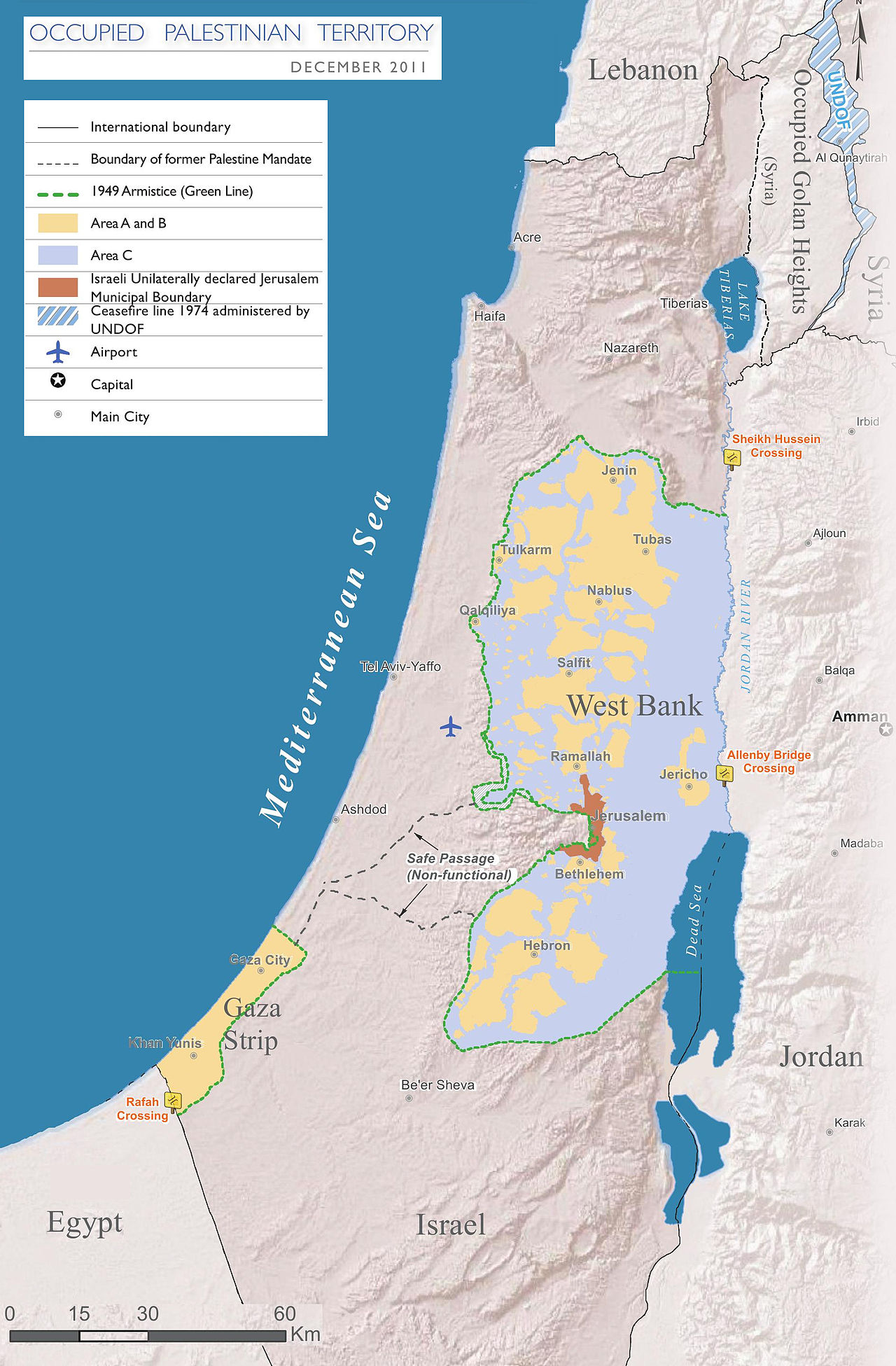
Occupied Palestinian Territories


The Genesis of Palestinian Identity
The Palestinian people, an Arab ethnonational group indigenous to the Levant, possess a rich and complex identity forged over centuries. Their cultural and ethnic homogeneity is marked by the shared language of Palestinian Arabic, which links them to the broader Levantine Arab world through intertwined religious, linguistic, and cultural ties. Historically, the region of Palestine was part of the Ottoman Empire, and the concept of a distinct Palestinian national identity evolved over time.
While some scholars trace the consolidation of this identity to the late 19th and early 20th centuries, particularly in response to external political shifts and burgeoning Zionist immigration, others argue that the Palestinian identity encompasses a much deeper historical continuum, drawing from biblical eras through the Ottoman period. In 1919, prior to significant Jewish immigration and the establishment of British Mandatory Palestine, Palestinian Muslims and Christians constituted a vast majority, approximately 90 percent, of the population.
The ensuing decades, marked by political changes and increased immigration, spurred a more unified national consciousness, even amidst existing societal fragmentation along regional, class, religious, and familial lines. This period laid the groundwork for the modern Palestinian national movement.
The Crucible of Conflict
The mid-20th century proved to be a pivotal and often traumatic period for the Palestinian people, profoundly shaping their collective identity and aspirations. The events surrounding the establishment of the State of Israel in 1948, including the mass displacement of Palestinians, known as the Nakba (catastrophe), and further expulsions following the 1967 Six-Day War (the Naksa), led to widespread exile and the creation of a vast Palestinian diaspora. These experiences of displacement and dispossession became central to the Palestinian narrative, fostering a shared sense of loss and a strengthened collective identity.
The term 'Palestinian' evolved from a descriptor of inhabitants to a symbol of a shared future, increasingly tied to aspirations for self-determination and the establishment of an independent Palestinian state. This evolving identity is not merely historical but continues to be shaped by the ongoing political realities and the pursuit of statehood, a concept that has been revived in international law but faces significant challenges in its full realization.
Navigating the Present
Today, approximately half of the world's Palestinian population continues to reside in the territory of former Mandatory Palestine, now comprising Israel and the occupied Palestinian territories of the West Bank and Gaza Strip. Within Israel, Palestinians constitute a significant minority, making up nearly 21 percent of the population as Arab citizens. Large numbers are internally displaced or refugees within these territories, with substantial populations in the Gaza Strip and the West Bank.
Beyond this core region, the Palestinian diaspora is extensive. More than half of Palestinians living abroad are stateless, lacking legal citizenship. Neighboring countries host significant communities, with Jordan being home to millions of registered refugees, many of whom hold Jordanian citizenship.
Substantial Palestinian populations also reside in Syria, Lebanon, and Saudi Arabia, and remarkably, Chile hosts the largest Palestinian diaspora concentration outside the Arab world. Key institutions like the Palestine Liberation Organization (PLO), founded in 1964, serve as the primary representative body for Palestinians internationally, while the Palestinian National Authority (PNA), established in 1994, functions as an interim administrative entity responsible for governance in specific Palestinian population centers.
Cultural Resilience and the Global Stage
Despite the profound challenges of displacement and occupation, Palestinian culture remains vibrant and resilient, serving as a crucial anchor for identity and a powerful form of expression. Palestinian art, literature, music, and cuisine are celebrated globally, offering insights into their history, struggles, and aspirations. These cultural contributions are not merely aesthetic but serve as a testament to their enduring spirit and a means of preserving their heritage for future generations.
The international community acknowledges the Palestinian cause through observances like the annual International Day of Solidarity with the Palestinian People, established by the United Nations in 1978. This day underscores the ongoing efforts towards achieving self-determination and addressing the complex humanitarian situation, including the significant proportion of the population living as refugees, estimated by historian Perry Anderson to be around half of those in the Palestinian territories.
The pursuit of Palestinian statehood and the rights of Palestinians as refugees and stateless persons remain central to contemporary international discourse and the ongoing narrative of the Palestinian people.
Go deeper
Frequently Asked Questions
Who are the Palestinians?+
Why do many Palestinians live outside of Israel and the West Bank?+
What does the word "Palestinian" mean today?+
Where do most Palestinians live now?+
How did the Palestinian identity develop?+
Based on content from Wikipedia · Licensed under CC BY-SA 4.0