

The Outback: Australia's Wild Backyard!
Images
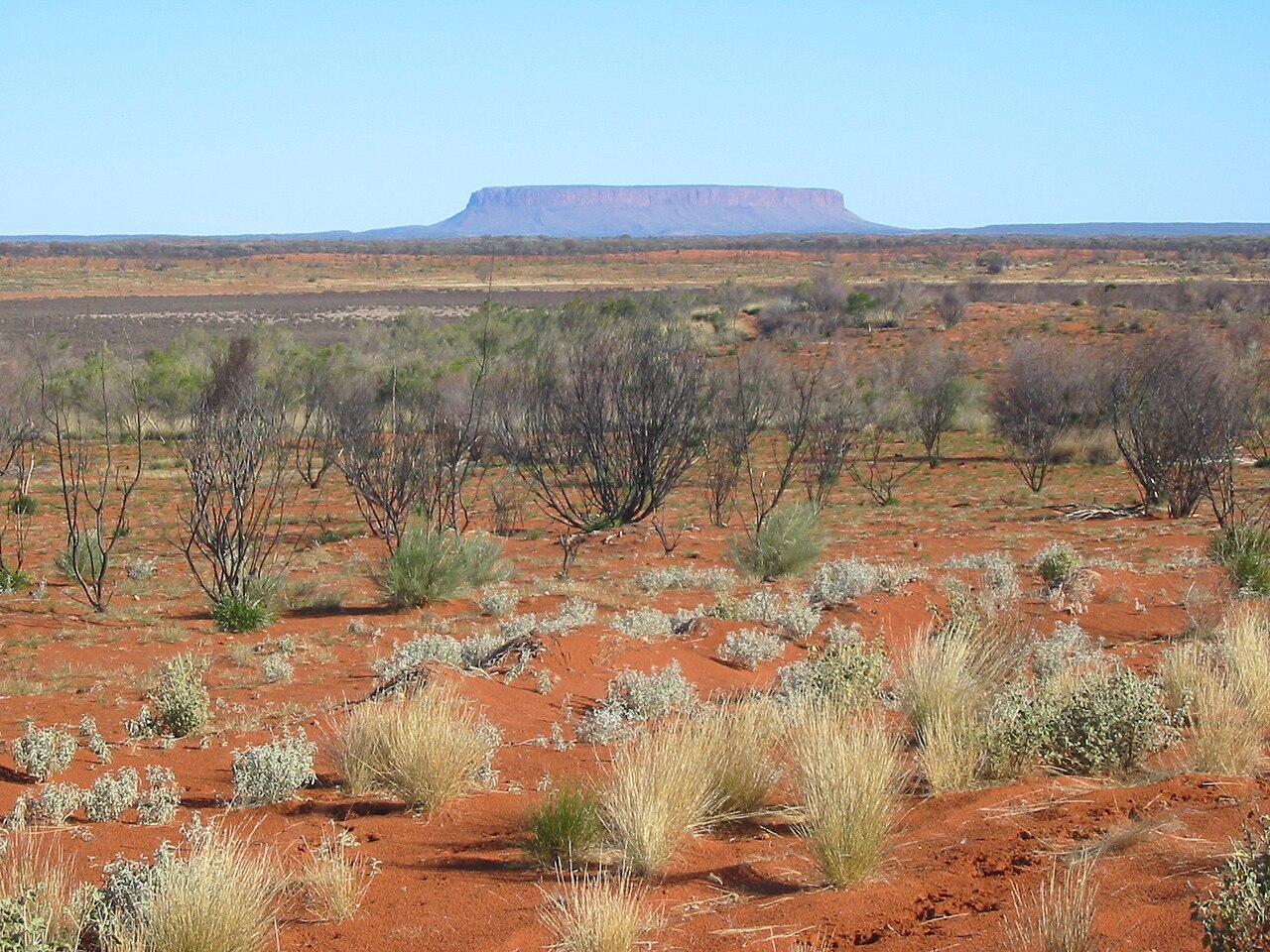
Outback
Geographical Tapestry
The Outback, often stereotyped as an arid wasteland, is in reality a geographically complex and diverse region that spans a significant portion of the Australian continent. Its remoteness is a defining characteristic, marked by extremely low population densities, estimated at around 607,000 inhabitants. This vastness encompasses a spectrum of climatic zones, challenging the singular image of dryness.
Northern Outback areas experience tropical and monsoonal climates, characterized by distinct wet and dry seasons with substantial rainfall, supporting different ecosystems than the arid 'Red Centre.' This central region is indeed defined by its desert landscapes, but even here, resilience and unique flora and fauna thrive. Further south, the Outback transitions into semi-arid and temperate zones, showcasing yet another facet of its environmental variability. Geographically, the Outback is unified not by a single climate, but by its largely intact natural environment, low-intensity land uses such as pastoralism, and its profound distance from major urban centers.
This geographical mosaic is fundamental to understanding its ecological significance and the challenges it presents for human habitation and resource management.
Historical Echoes
The historical narrative of the Outback is layered, stretching back tens of thousands of years to the continuous custodianship of Indigenous Australians. Their deep connection to the land, intricate knowledge of its resources, and rich cultural traditions form the bedrock of the Outback's heritage. European exploration and settlement in the 18th and 19th centuries introduced new dynamics, often characterized by hardship, pioneering spirit, and the establishment of vast pastoral leases.
The development of industries like sheep and cattle farming, while economically significant, profoundly impacted the landscape and Indigenous communities. The Outback became a symbol of the Australian frontier, a place of both opportunity and immense challenge, shaping national myths and folklore. Its influence is evident in Australian art, particularly during the mid-20th century, where artists sought to capture its unique light, scale, and spirit.
Recognized as a vital part of Queensland's heritage, the Outback continues to be celebrated as a natural and cultural icon, embodying a distinct aspect of the Australian identity.
Cultural Landscape
The Outback is more than just a geographical space; it is a cultural touchstone for Australia. Its vastness and isolation have fostered a unique way of life, emphasizing self-reliance, community interdependence, and a profound respect for the natural environment. The enduring presence of Indigenous cultures, with their ancient stories, traditions, and spiritual connections to the land, is central to the Outback's cultural identity.
For non-Indigenous Australians, the Outback has become a powerful symbol in folklore and national identity, representing resilience, adventure, and the untamed spirit of the continent. This symbolism is frequently explored in literature, film, and visual arts, where the dramatic landscapes and the challenges of life in remote areas serve as potent metaphors. The cultural significance of the Outback is recognized through initiatives like the Q150 celebrations, highlighting its role as a 'natural attraction' and a vital component of Australia's heritage.
Economic Realities
The economy of the Outback is predominantly shaped by its natural resources and the challenges of remoteness. Pastoralism, the raising of livestock such as sheep and cattle across extensive stations, remains a cornerstone industry. This sector is inherently tied to the natural environment, making it vulnerable to climatic variations like droughts and floods. Mining also represents a significant economic contributor in many Outback areas, exploiting the continent's rich mineral deposits.
Increasingly, tourism is emerging as a vital economic sector, drawing visitors seeking unique natural landscapes, Indigenous cultural experiences, and adventure. However, the economic viability of these industries is often complicated by high transportation costs, limited infrastructure, and the need for sustainable practices to protect the fragile ecosystems. The future economic development of the Outback hinges on balancing resource utilization with environmental conservation and supporting the unique lifestyles of its sparse population.
Governance and Education
Governing and providing essential services, particularly education, in the vast and sparsely populated Outback presents unique challenges. Due to the low population density and immense distances, traditional centralized models of governance and education are often impractical. Instead, governance structures must be adaptable, often relying on local councils and regional bodies to address specific community needs.
For education, this translates into innovative approaches. Distance education programs, utilizing technology like the internet and satellite communication, are crucial for delivering schooling to children living on remote properties or in small, isolated towns. Mobile school units and boarding facilities also play a role in ensuring access to education.
The curriculum often incorporates elements relevant to Outback life, such as environmental studies and vocational training related to local industries. Despite these efforts, ensuring equitable access to quality education and essential services remains an ongoing focus for governments and communities operating within the Outback's challenging context.
Go deeper
Based on content from Wikipedia · Licensed under CC BY-SA 4.0