

Oktoberfest
Images

Oktoberfest



The Genesis of a Global Spectacle
Oktoberfest, colloquially known in Munich as 'die Wiesn', stands as the preeminent example of a German Volksfest, a public festival that blends the excitement of a fair with a celebratory atmosphere. Its inception dates back to October 12, 1810, a date chosen to commemorate the marriage of Crown Prince Ludwig of Bavaria to Princess Therese of Saxe-Hildburghausen. The initial festivities were grand, featuring public celebrations and a celebrated horse race, which proved so immensely popular that the decision was made to institutionalize the event as an annual festival.
Over two centuries, Oktoberfest has transformed dramatically from its royal origins. It has evolved into a sophisticated event featuring a vast array of amusement rides, diverse food vendors, and iconic beer tents operated by Munich's historic breweries. Despite its name, the festival's timing has shifted to mid-September and extends into the first Sunday of October, optimizing for more favorable weather conditions and maximizing visitor attendance.
This enduring tradition has only been suspended on rare occasions, most notably during periods of global crisis such as the COVID-19 pandemic in 2020 and 2021, underscoring its deep integration into the cultural calendar.
The Mechanics of 'Die Wiesn'
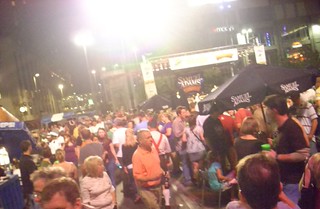
The operational scale of Oktoberfest is staggering, drawing an average of seven million visitors annually to Munich's Theresienwiese, a sprawling urban parkland that is temporarily repurposed. This attendance figure rivals the population of many major cities, highlighting its status as a global attraction. The festival's economic engine is fueled by immense consumption; in 2023 alone, attendees reportedly consumed approximately 7.4 million liters of beer.
This figure, alongside the consumption of traditional Bavarian fare such as Hendl (roast chicken), Schweinshaxe (pork knuckle), and countless pretzels, underscores the festival's role as a major culinary event. The fairground itself is a complex ecosystem of over 200 vendors, featuring a wide spectrum of amusement rides, from nostalgic carousels to high-thrill roller coasters and iconic attractions like the Teufelsrad. Beyond the commercial aspects, Oktoberfest is a vibrant showcase of Bavarian culture, with traditional music, attire like Lederhosen and Dirndls, and regional delicacies playing a central role, ensuring a deeply immersive experience for attendees.
Socio-Economic Significance
Oktoberfest transcends its status as a mere festival, functioning as a critical pillar of Bavarian cultural identity and a significant economic driver. It serves as a powerful ambassador for Bavarian traditions, hospitality, and craftsmanship, attracting a diverse international audience and fostering cross-cultural exchange. The economic impact on Munich and the wider Bavarian region is substantial, generating hundreds of millions of euros annually through tourism, hospitality services, retail, and employment.
The sheer volume of visitors and their spending power make it one of the most lucrative annual events in the world. Furthermore, Oktoberfest plays a vital role in the preservation and promotion of Bavarian cultural heritage. It provides a platform for traditional music ensembles, artisans, and food producers, ensuring that these elements remain relevant and celebrated.
The festival's ability to adapt and grow while retaining its core traditional values is key to its sustained success and global appeal, making it a unique blend of historical reverence and contemporary entertainment.
The Evolution of Oktoberfest
While deeply rooted in tradition, Oktoberfest has continuously evolved to meet the demands of a modern, global audience. The shift in its timing from October to September was a strategic adaptation to leverage better weather and extend the festival's duration, a pragmatic decision that has paid dividends in attendance and visitor experience. The introduction and modernization of amusement rides reflect a commitment to offering cutting-edge entertainment alongside classic attractions.
Moreover, the festival has become increasingly conscious of its environmental impact, with ongoing efforts to improve waste management and sustainability practices. The global reach of Oktoberfest is undeniable, inspiring similar festivals worldwide, yet the Munich original retains its unique authenticity, largely due to the strict regulations governing its operation, particularly concerning the breweries allowed to serve beer. This careful balance between preserving tradition and embracing innovation ensures that Oktoberfest remains a relevant and captivating event for generations to come, a testament to its enduring cultural and economic significance.
Oktoberfest's Global Footprint and Cultural Resonance
The phenomenon of Oktoberfest has extended far beyond the borders of Munich, inspiring countless imitations and celebrations across the globe. From Brazil to Canada, and even in Asian countries, 'Oktoberfests' are held annually, adopting elements of Bavarian culture, music, and, of course, beer. However, these celebrations often differ significantly from the original in scale, authenticity, and adherence to tradition.
The Munich Oktoberfest remains unparalleled in its historical depth, sheer size, and the unique atmosphere created by its specific regulations and the concentration of Munich's historic breweries. Its cultural resonance lies not just in the consumption of beer or the thrill of rides, but in its ability to foster a sense of communal celebration and shared experience, drawing people from diverse backgrounds together. The festival's continued success highlights a global human desire for communal gathering, tradition, and spirited festivity, making it a powerful symbol of cultural exchange and enduring celebration.
Go deeper
Frequently Asked Questions
What is Oktoberfest?+
Why does Oktoberfest start in September instead of October?+
How many people visit Oktoberfest each year?+
What food can you eat at Oktoberfest?+
Why is Oktoberfest important to Bavaria?+
Based on content from Wikipedia · Licensed under CC BY-SA 4.0