

Oklahoma
Images

Direct Route: Shenzen to Oklahoma


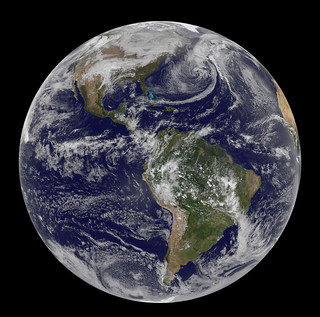
Geographic Tapestry
Oklahoma's geography is a compelling study in contrasts, situated at the confluence of three major American cultural regions. While often associated with the vast, flat expanses of the Great Plains, the state's topography is far more varied. It includes the ancient, rugged terrain of the Ozark Mountains in the northeast, the Cross Timbers region with its unique oak forests, and the western mesas.
This diverse landscape influences everything from agriculture to settlement patterns. Critically, Oklahoma's location makes it highly susceptible to extreme weather phenomena, particularly tornadoes, a defining characteristic of its climate and a significant factor in its development and infrastructure. The state's position also places it in a unique meteorological zone, experiencing a blend of continental and subtropical influences.
A Palimpsest of Peoples
Oklahoma's history is deeply intertwined with the forced migration and resilience of Native American tribes. Historically designated as Indian Territory, it served as a resettlement area for numerous tribes displaced from the eastern United States. This legacy is profoundly evident today, with Oklahoma boasting the highest percentage of American Indians of any state, and 25 Indigenous languages still spoken.
The infamous 'Land Rush' of 1889, which gave rise to the 'Sooner State' nickname, represents a pivotal moment where federal policy opened formerly Native lands to non-Indigenous settlement, dramatically altering the demographic and cultural landscape. This complex history of displacement, resistance, and adaptation continues to shape Oklahoma's social fabric and identity.
Cultural Mosaic
The cultural identity of Oklahoma is a rich mosaic, reflecting its layered history. The enduring presence of Indigenous cultures, with their distinct traditions, languages, and arts, forms a foundational element. This is interwoven with influences from Southern settlers, creating a unique blend in music, cuisine, and social customs.
Historically, Oklahoma was also a vital corridor for cattle drives, leaving a lasting imprint of the cowboy culture. Today, this heritage coexists with modern influences in areas like aviation, energy, and biotechnology. The state's cultural dynamism is further highlighted by the significant populations residing in its major metropolitan areas, Oklahoma City and Tulsa, which serve as centers for artistic expression, innovation, and diverse community life.
Economic Pillars
Oklahoma's economy is characterized by a strong foundation in natural resources, particularly oil and natural gas, which remain critical components of its industrial output. The state is a major national producer in the energy sector. Alongside this, agriculture plays a significant role, contributing to its economic stability.
In recent decades, Oklahoma has strategically diversified its economy, developing robust sectors in aviation, telecommunications, and biotechnology. These modern industries are increasingly important, attracting skilled labor and fostering innovation. The economic activity is largely concentrated in the metropolitan areas of Oklahoma City and Tulsa, which anchor the state's financial and industrial landscape, driving employment and economic growth for a substantial portion of the population.
Governance and Education
Oklahoma operates under a representative democratic government, with a governor as the chief executive, a bicameral legislature (Senate and House of Representatives), and a judicial system. The state constitution outlines the framework for its governance, balancing state powers with the rights of its citizens. In terms of education, Oklahoma places importance on its public school system, serving K-12 students across the state.
Higher education is also a key focus, with numerous universities and colleges offering a wide range of programs. The state's commitment to education aims to equip its residents with the skills needed for its evolving economy, from traditional industries to emerging technological fields, ensuring a prepared workforce for the future.
Go deeper
Frequently Asked Questions
What is Oklahoma known for in terms of its name and nickname?+
Why does Oklahoma get so many tornadoes?+
What kinds of landscapes can you find in Oklahoma?+
How many Native American languages are spoken in Oklahoma?+
What are some modern industries in Oklahoma besides oil and gas?+
Based on content from Wikipedia · Licensed under CC BY-SA 4.0