

Nero
Images
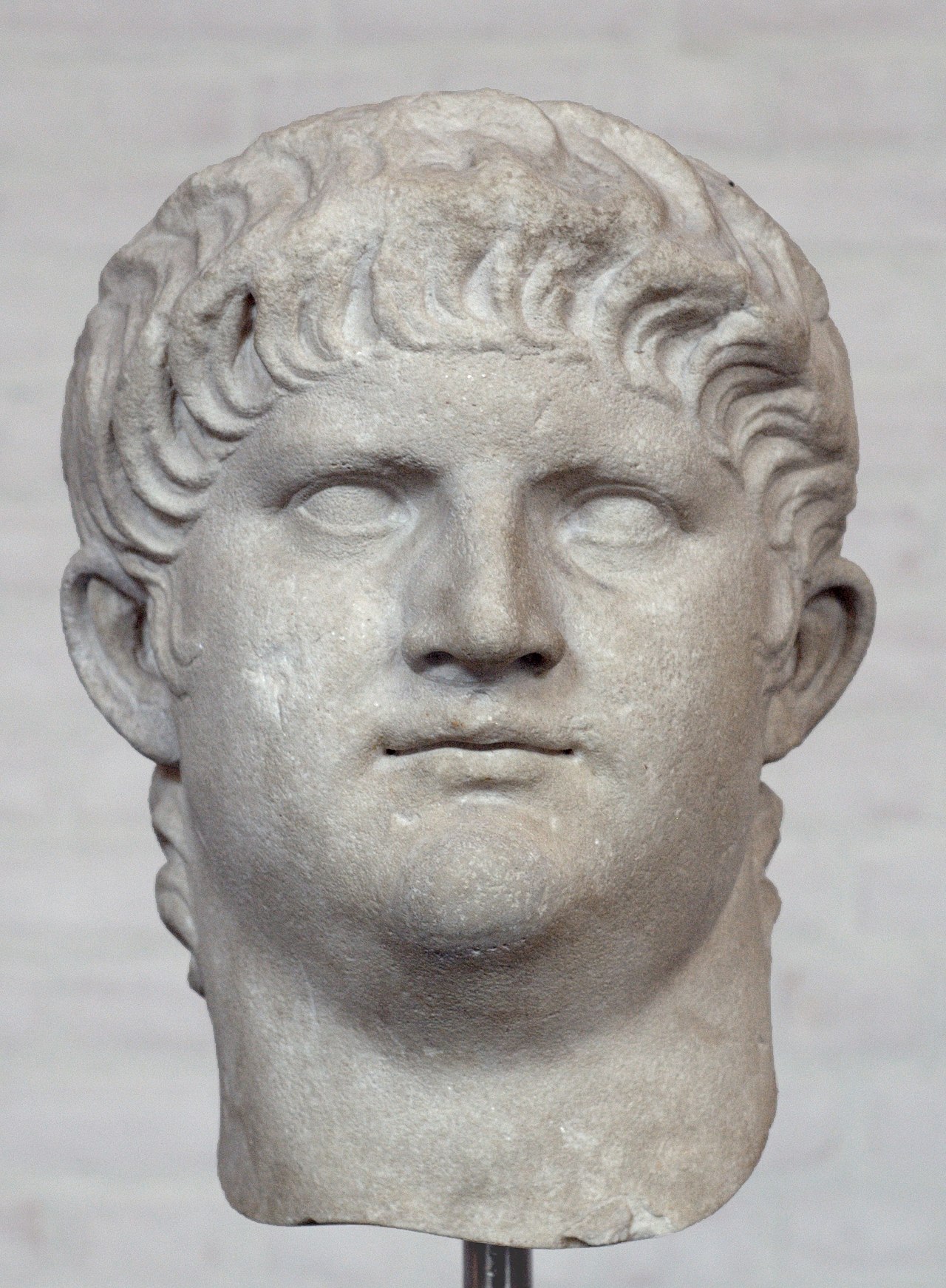
Nero
The Shadow of Agrippina and the Ascent of an Artist-Emperor
Nero Claudius Caesar Augustus Germanicus, born Lucius Domitius Ahenobarbus, ascended to the imperial throne in AD 54, marking the end of the Julio-Claudian dynasty. His early life was heavily influenced by his formidable mother, Agrippina the Younger, a descendant of Augustus, who married Emperor Claudius and ensured Nero's adoption and succession. The initial years of Nero's reign were characterized by a power-sharing arrangement with his mother, his tutor Seneca the Younger, and the Praetorian Prefect Burrus.
However, Nero's ambition to assert his autonomy led to a brutal power struggle, culminating in the infamous orchestration of Agrippina's murder. This act, alongside the suspected assassinations of his wife Claudia Octavia and stepbrother Britannicus, paints a picture of a ruler willing to eliminate obstacles to consolidate his power, setting a precedent for the increasingly autocratic nature of his rule.
Cultural Patronage vs. Imperial Dignity
Nero's reign is perhaps most vividly remembered for his unconventional embrace of the performing arts. He actively participated as a poet, musician, actor, and charioteer, often in public venues. This was a radical departure from the expected decorum of Roman emperors, whose roles were traditionally associated with military leadership and stoic governance.
For the Roman aristocracy, Nero's artistic pursuits were seen as a debasement of the imperial office, aligning him with the lower strata of society. Conversely, these performances resonated deeply with the plebeian classes, who found entertainment and a sense of connection with their emperor. Nero's investment in public games and the construction of amphitheaters, while costly and funded through taxation that angered the elite, fostered a degree of popular support that complicated his historical image as a purely tyrannical figure.
The Great Fire of Rome and the Christian Persecution
The Great Fire of Rome in AD 64 remains a watershed moment in Nero's reign. The fire's scale and the subsequent rebuilding efforts, including Nero's ambitious Domus Aurea, fueled speculation about his involvement. While direct evidence is lacking and debated by modern historians, ancient sources like Suetonius and Tacitus strongly implicate him, suggesting he used the disaster to reshape the city to his will.
Faced with public suspicion, Nero diverted blame onto the nascent Christian community. Tacitus provides a harrowing account of the brutal persecution that followed, with Christians subjected to horrific executions, including being burned alive as human torches. This event marked a significant escalation in Roman hostility towards Christians and remains a dark stain on Nero's legacy, highlighting the potential for state-sanctioned violence fueled by political expediency and possibly personal cruelty.
Imperial Overreach, Rebellion, and the End of an Era
Beyond Rome's borders, Nero's reign saw significant military engagements, including General Corbulo's successful diplomacy and warfare against the Parthian Empire, and Suetonius Paulinus's suppression of Boudica's revolt in Britain. The First Jewish-Roman War also commenced during his rule. However, internal dissent grew, fueled by economic strain and dissatisfaction with Nero's policies.
The rebellion led by the Roman senator Vindex, supported by figures like Galba, proved to be the breaking point. Declared a public enemy by the Senate, Nero's support evaporated. He fled Rome and committed suicide on June 9, AD 68, ending the Julio-Claudian line.
His death triggered the tumultuous Year of the Four Emperors, a period of civil war that underscored the fragility of imperial succession. The enduring legend of Nero's potential return speaks to the complex and often contradictory impact he had on Roman consciousness.
Go deeper
Frequently Asked Questions
Who was Nero and when did he become emperor?+
Why did Nero kill his mother Agrippina?+
What made Nero's love for the arts unusual?+
What happened during the Great Fire of Rome and how did Nero respond?+
How did Nero's reign come to an end?+
Based on content from Wikipedia · Licensed under CC BY-SA 4.0