

Mural
Images
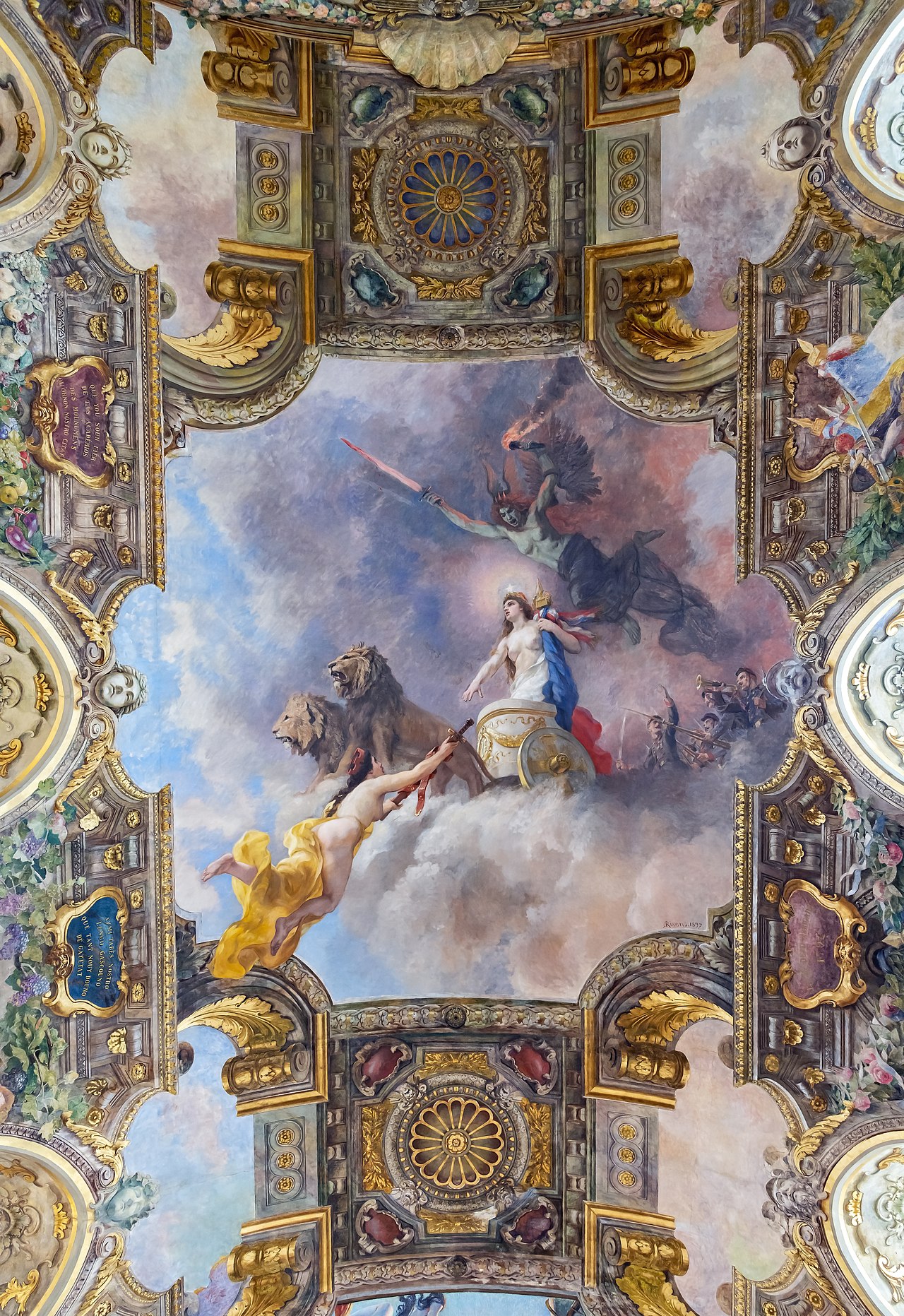
Mural
The Mural as Monument and Medium
Murals represent a unique intersection of art and environment, transcending the traditional gallery space to become integral components of the built world. Unlike portable artworks, murals are site-specific, their meaning and impact intrinsically linked to their architectural context and public visibility. Historically, they have served as monumental declarations, from the grand frescoes of Renaissance palaces to the propaganda murals of Soviet Russia.
The very act of painting on a wall imbues the artwork with a sense of permanence and public accessibility. Furthermore, the materials and techniques employed in muralism have evolved dramatically, from ancient fresco techniques to modern spray-painting and digital projection, each influencing the aesthetic and durability of the final piece. This adaptability allows murals to remain a relevant and dynamic form of artistic expression across millennia.
A Chronicle on Walls
The lineage of mural art is as old as human civilization itself, with evidence of wall painting dating back to Paleolithic times, such as the Chauvet Cave paintings (circa 30,000 BCE), which offer profound insights into early human cognition and symbolic expression. Ancient civilizations extensively utilized murals; the Egyptians decorated tombs and temples with narrative scenes, while Roman villas featured elaborate illusionistic frescoes. The Renaissance saw a resurgence of fresco painting, with masters like Michelangelo and Raphael adorning churches and palaces with biblical and mythological epics.
The 20th century witnessed the powerful resurgence of muralism, particularly in Mexico, where artists like Diego Rivera, David Alfaro Siqueiros, and José Clemente Orozco used vast public murals to articulate nationalist sentiments, critique social injustices, and educate a largely illiterate populace. This movement profoundly influenced public art globally.
The Social and Political Resonance of Public Art
Beyond aesthetic enhancement, murals function as potent vehicles for social and political discourse. They can serve as historical markers, commemorating significant events or figures, thereby shaping collective memory. In marginalized communities, murals often emerge as acts of resistance and self-representation, reclaiming public space and asserting cultural identity against dominant narratives.
They can act as powerful tools for activism, raising awareness about critical issues such as civil rights, environmental protection, or gender equality. The collaborative nature of many mural projects also fosters community engagement and empowerment, transforming passive observers into active participants in the creation of their environment. This democratizing aspect of murals makes them a vital component of urban cultural landscapes.
The Craft and Science of Mural Creation
The realization of a mural involves a sophisticated interplay of artistic vision and technical expertise. The process typically begins with extensive research and conceptualization, followed by detailed preliminary studies, including sketches, maquettes, and color studies. For large-scale works, transfer methods like gridding, pouncing, or projection are employed to accurately scale the design onto the wall. Material selection is paramount, with durability, adhesion, and environmental resistance being key considerations.
Traditional fresco involves painting on wet plaster, creating a chemical bond, while modern murals often utilize acrylics, latex, or spray paints, requiring specialized primers and sealants. Techniques such as layering, glazing, and the use of stencils or airbrushing contribute to the final aesthetic. Safety is also a critical concern, often necessitating the use of scaffolding, aerial work platforms, or complex rigging systems for high or expansive projects.
Murals in the Contemporary Landscape
In the 21st century, murals continue to evolve, reflecting contemporary artistic trends and societal concerns. Street art, often encompassing muralism, has gained global recognition, blurring the lines between vandalism and legitimate artistic expression. Urban regeneration projects frequently incorporate murals to revitalize neglected areas, foster local pride, and attract tourism.
Digital technologies are also influencing mural creation, with artists experimenting with augmented reality overlays that animate static images or provide contextual information. Furthermore, the globalized nature of art means that mural styles and themes are constantly cross-pollinating, leading to diverse and innovative works that address universal issues while retaining local relevance. Murals remain a vibrant and accessible medium for artists to engage with the public realm.
Go deeper
Frequently Asked Questions
What is a mural?+
How do artists make a mural?+
Why do people paint murals?+
Where can we find murals?+
When did murals first appear?+
Based on content from Wikipedia · Licensed under CC BY-SA 4.0