

Mughlai Cuisine: A Feast Fit for Emperors!
Images
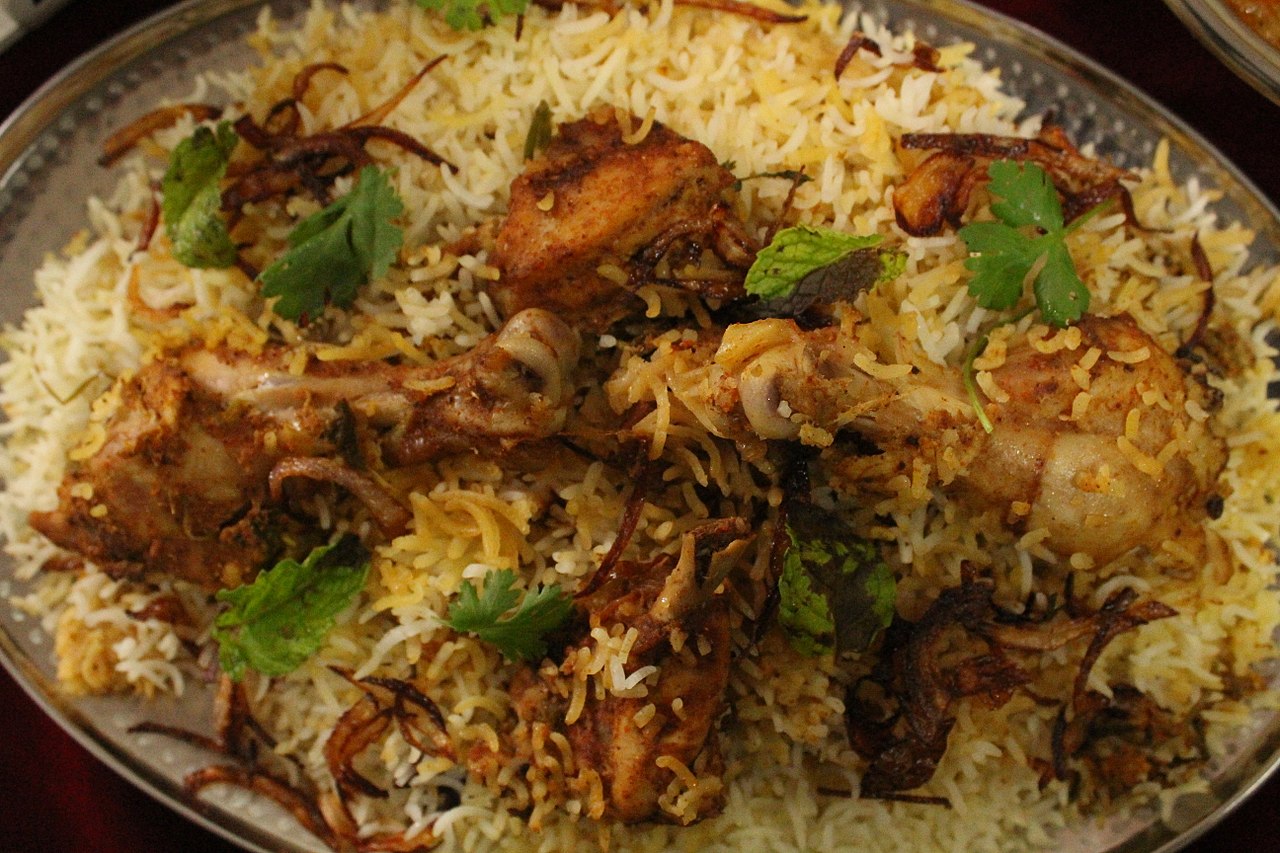
File:The art of 'BIRYANI'.jpg


The Genesis and Gastronomic Architecture of Mughlai Cuisine
Mughlai cuisine represents a sophisticated culinary synthesis that flourished within the cultural milieu of the Mughal Empire, a powerful dynasty that dominated the Indian subcontinent from the early 16th to the mid-19th century. Its origins are deeply rooted in the fusion of the indigenous cuisines of the Indian subcontinent with the culinary traditions of Central Asia, particularly the Turkic and Persianate influences brought by the early Mughal emperors.
This cross-pollination was not merely additive; it was transformative. Central Asian staples such as rich dairy products, nuts, dried fruits, and specific meat preparations, like kebabs and pilafs, were integrated with the complex spice palettes and diverse vegetarian and lentil-based dishes prevalent in India. The result was a cuisine characterized by its opulence, elaborate preparation methods, and a nuanced flavor profile that could range from delicately mild to intensely spicy, often featuring aromatic spices like cardamom, cloves, cinnamon, and saffron, as well as the use of ground nuts and seeds for thickening and enriching sauces.
Methodologies and Masterpieces
The creation of Mughlai dishes is a testament to meticulous culinary craftsmanship, often involving time-honored techniques that prioritize depth of flavor and luxurious texture. Slow-cooking methods, such as dum pukht (slow steaming), are frequently employed to tenderize meats to an exquisite degree and allow spices to permeate thoroughly. The use of rich ingredients like ghee (clarified butter), cream, yogurt, and ground nuts (almonds, cashews) contributes to the characteristic richness and velvety texture of many Mughlai gravies and curries.
The art extends to the precise grinding of spices, often done fresh for each dish, to maximize their aromatic potential. Mughlai meals are traditionally conceived as grand, multi-course buffets, a reflection of imperial hospitality. This involves an extensive array of dishes, including various kebabs, rich curries (like kormas and niharis), fragrant rice preparations (biryanis and pulaos), an assortment of breads (naan, roti), and sweet desserts, all meticulously prepared and presented to create a truly immersive dining experience.
Enduring Legacy and Culinary Hegemony
The significance of Mughlai cuisine extends far beyond its historical context; it has profoundly shaped and continues to influence the culinary landscapes of South Asia and beyond. Its development during the Mughal era led to the popularization and refinement of many dishes that are now considered staples in the cuisines of Northern India, Pakistan, Afghanistan, and Bangladesh. The emphasis on rich, complex flavors and elaborate presentation set a high standard for celebratory and royal dining.
Many iconic dishes, such as Butter Chicken, Rogan Josh, and various forms of Biryani, either originated from or were significantly popularized and refined under Mughlai patronage. This cuisine's enduring appeal lies in its ability to evoke a sense of grandeur and its capacity to deliver deeply satisfying and complex flavor profiles, making it a cornerstone of celebratory feasts and a symbol of culinary excellence that continues to be celebrated and adapted globally.
Historical Trajectory
The historical trajectory of Mughlai cuisine is inextricably linked to the rise and evolution of the Mughal Empire, commencing with Babur's invasion in 1526. As the empire expanded and consolidated, its imperial courts became vibrant centers for culinary innovation, drawing upon the diverse gastronomic traditions of the conquered territories and the homeland of the ruling elite. The chefs in the royal kitchens, often referred to as 'khansamas', were tasked with creating dishes that reflected the empire's wealth, power, and cultural sophistication.
This period saw the systematic documentation and refinement of recipes, leading to the establishment of a distinct culinary identity. The influence of Mughlai cuisine gradually permeated beyond the royal kitchens, adopted by the nobility and eventually trickling down to the common populace, albeit often in simplified forms. Post-empire, its legacy continued through regional adaptations and the diaspora, ensuring its survival and evolution into the diverse and globally recognized cuisine it is today.
Contemporary Relevance and Culinary Evolution
In the contemporary culinary landscape, Mughlai cuisine continues to hold a prominent position, celebrated for its richness, complexity, and historical significance. While traditional recipes are meticulously preserved and revered, modern chefs and home cooks are also engaged in innovative adaptations. This includes exploring lighter preparations, incorporating global ingredients, and catering to evolving dietary preferences, such as vegetarian and vegan interpretations of classic dishes.
The influence of Mughlai cuisine is evident not only in South Asian restaurants worldwide but also in the broader fine-dining scene, where its emphasis on aromatic spices and slow-cooked techniques inspires contemporary culinary artistry. Furthermore, its historical narrative provides a rich context for understanding cultural exchange and the evolution of foodways, making it a subject of ongoing academic and gastronomic interest.
See also
Frequently Asked Questions
What is Mughlai cuisine?+
Why is Mughlai food so rich and tasty?+
How do they cook Mughlai dishes?+
What are some famous Mughlai dishes?+
Where can we see Mughlai food today?+
Based on content from Wikipedia · Licensed under CC BY-SA 4.0