

Monk
Images

Monks Cellarium: EXPLORED
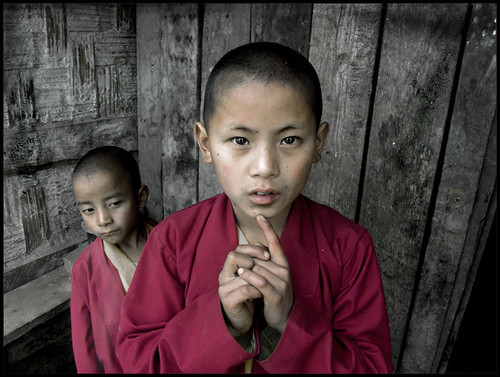


The Ascetic Ideal
The figure of the monk, rooted in the Greek 'monachos' signifying 'single' or 'solitary,' represents a profound commitment to a life of asceticism and spiritual devotion. This vocation transcends mere religious affiliation, embodying a deliberate withdrawal from conventional societal engagement to pursue an intensive inner life. Monks typically embrace a disciplined regimen of prayer, meditation, and contemplation, often alongside manual labor or intellectual pursuits, all framed within a religious context.
While the term 'monk' is most commonly associated with male monastics in Christianity, the concept of dedicated spiritual practitioners exists across a spectrum of global religions, including Buddhism, Hinduism, and Jainism, each with unique interpretations and practices. These individuals often take vows of poverty, chastity, and obedience, signifying a radical reorientation of life towards spiritual goals, a path that requires significant personal sacrifice and unwavering dedication to a higher purpose.
The essence lies in a conscious choice to live differently, prioritizing the spiritual over the material.
Historical Trajectories
The historical development of monasticism is a rich tapestry woven through millennia and across continents. Early precursors to Christian monasticism can be traced to ascetic movements in ancient Greece and India. In the Christian tradition, the 3rd and 4th centuries CE witnessed the rise of the Desert Fathers, solitary ascetics who sought spiritual perfection in the Egyptian desert.
This eremitical (hermit-like) model gradually evolved into the cenobitic form, characterized by communal living under a structured rule. The Rule of St. Benedict, established in the 6th century, became a cornerstone of Western monasticism, providing a balanced framework for prayer, work, and study that influenced countless Benedictine monasteries.
Simultaneously, Eastern Orthodox monasticism developed its own distinct traditions, emphasizing Hesychasm, a contemplative practice. Beyond Christianity, monastic traditions flourished in Buddhism, with the Sangha (community of monks and nuns) playing a central role in disseminating teachings and establishing centers of learning, and in Jainism, where asceticism is paramount. These diverse trajectories highlight a universal human impulse towards spiritual discipline and community.
The Enduring Significance
The impact of monks on human civilization extends far beyond their immediate religious communities. Historically, monasteries served as vital repositories of knowledge and culture, particularly during periods of societal upheaval. Monks meticulously copied and preserved ancient manuscripts, safeguarding classical literature, scientific treatises, and philosophical works that formed the bedrock of Western and Eastern intellectual traditions.
This act of preservation was crucial in preventing the loss of invaluable human heritage. Furthermore, monastic communities were often centers of innovation in agriculture, architecture, and craftsmanship. They established educational institutions, hospitals, and provided social welfare services, acting as crucial anchors of stability and progress.
Their influence also permeated political and social spheres, with monks often serving as advisors, diplomats, and spiritual guides. The enduring legacy of monasticism lies in its multifaceted contribution to the spiritual, intellectual, and material development of societies worldwide.
The Monastic Way
The daily life of a monk is characterized by a rigorous structure designed to foster spiritual growth and communal harmony. The Divine Office, a cycle of daily prayers, forms the backbone of the monastic day, often beginning before dawn with Matins and Lauds. This communal worship is interspersed with periods of lectio divina (divine reading), a slow, meditative engagement with scripture, and silent contemplation.
Work, or 'Ora et Labora' (pray and work), is considered an integral part of monastic life, encompassing a wide range of activities from farming and brewing to manuscript illumination and scholarly research, depending on the order and its historical context. While the concept of the monk often evokes images of quiet solitude, the reality is a spectrum of living arrangements, from the solitary hermit (anchorite) to the highly organized cenobitic communities. Different religious orders, such as Benedictines, Cistercians, Carthusians, and Buddhist monastic orders, each possess unique constitutions, rules, and spiritual emphases, reflecting the diverse ways in which the monastic ideal has been realized across cultures and centuries.
Beyond the Monastery Walls
While the traditional image of the monk often conjures images of ancient monasteries, monasticism continues to evolve and find relevance in the modern world. Many monastic communities actively engage with contemporary issues, addressing social justice, environmental concerns, and interfaith dialogue. Some monks and nuns work in secular professions, bringing their contemplative values to bear on fields like healthcare, education, and social work.
The rise of contemplative practices in secular contexts, such as mindfulness and meditation, can be seen as a distant echo of monastic traditions, demonstrating a societal yearning for inner peace and self-awareness. Furthermore, the internet and global communication have allowed for new forms of monastic community and outreach, connecting practitioners across geographical boundaries. While the core principles of dedication and spiritual pursuit remain, modern monasticism is adapting, demonstrating its resilience and capacity to offer timeless wisdom in a rapidly changing world.
Go deeper
Based on content from Wikipedia · Licensed under CC BY-SA 4.0