

Mole (sauce)
Images

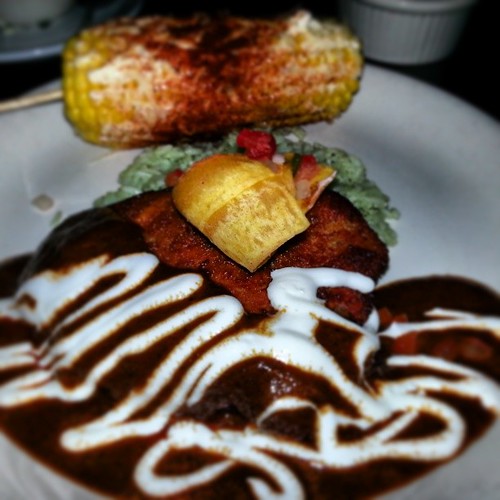
Turkey Breast in Mole Sauce




The Genesis and Evolution of a Complex Sauce
Mole, derived from the Nahuatl word 'mōlli,' is far more than a mere sauce; it is a profound culinary tradition deeply embedded in Mexican identity. Its origins trace back to pre-Hispanic Mesoamerica, where ingredients like chilies, tomatoes, and seeds were foundational. While chocolate was present, its role was primarily ceremonial and as a beverage, often bitter and spiced, rather than the sweet confection known today.
The integration of chocolate into mole sauces is a post-conquest development, a fusion of indigenous ingredients with European influences, particularly spices like cinnamon and cloves. This evolution is not a singular event but a gradual process, leading to the vast spectrum of moles that exist. The term 'mole' itself has become a broad descriptor, encompassing numerous sauces with distinct ingredient profiles and preparation methods, some of which, like Mole de Olla, are stews that share certain chili and spice components but diverge significantly in structure.
Regional Diversity
The true marvel of mole lies in its incredible regional diversity, reflecting Mexico's varied geography, indigenous cultures, and historical trade routes. Oaxaca, for instance, is renowned for its 'seven moles,' each with a unique character: Mole Negro, characterized by its deep, smoky flavor from charred chilies and over 30 ingredients; Mole Coloradito, a reddish mole with a sweeter profile; Mole Amarillo, lighter and often thickened with masa; Mole Verde, vibrant with fresh herbs like cilantro and hoja santa; Mole Chichilo, a darker, more intense mole; Mole Rojo, a classic red mole; and Mole Manchamanteles, a fruitier, sweeter variety.
Beyond Oaxaca, other regions boast their own specialties, such as Mole Poblano from Puebla, arguably the most internationally recognized, famous for its complex balance of chilies, spices, nuts, and a hint of chocolate. Mole Michoacano, Mole Ranchero, and Mole Tamaulipeco each offer distinct flavor profiles shaped by local ingredients and culinary heritage, demonstrating that 'mole' is not a monolithic entity but a dynamic culinary concept.
Cultural Resonance
Mole transcends its role as a mere dish; it is a powerful symbol of Mexican heritage, identity, and celebration. Its preparation is often a labor-intensive, multi-day affair, frequently involving the entire family. This communal effort underscores the social and familial importance of mole, transforming its creation into a ritual that strengthens bonds and transmits culinary knowledge across generations.
Serving mole is an act of profound generosity and respect, reserved for the most significant occasions: weddings, baptisms, patron saint festivals, and major holidays. The sheer effort invested signifies the immense value placed on guests and the importance of the event. Furthermore, the existence of so many distinct moles reflects the deep connection Mexicans have to their land and the diverse agricultural bounty it provides, making mole a living testament to the country's rich cultural tapestry.
The Alchemy of Mole
The creation of mole is a meticulous process, akin to culinary alchemy, where disparate ingredients are transformed into a harmonious whole. The foundational elements typically include a variety of chili peppers (such as ancho, pasilla, mulato, and chipotle), each contributing distinct levels of heat, smokiness, and fruity notes. These are often rehydrated and pureed.
Nuts and seeds (like almonds, peanuts, sesame seeds, and pumpkin seeds) provide richness, body, and a subtle sweetness, usually toasted to enhance their flavor. Fruits, fresh or dried (like plantains, raisins, or prunes), add a balancing sweetness and acidity. A complex array of spices-cinnamon, cloves, cumin, anise, black pepper-infuses aromatic depth.
The inclusion of chocolate, often unsweetened Mexican chocolate, adds color, bitterness, and a unique complexity that rounds out the flavor profile. The ingredients are meticulously toasted, fried, or dried before being ground, traditionally on a metate, to achieve the desired texture, and then slowly simmered with broth to allow the flavors to meld and mature into a rich, velvety sauce.
Mole in Contemporary Cuisine and Global Perception
In contemporary Mexico, mole remains a revered culinary staple, celebrated in homes and high-end restaurants alike. Chefs continue to innovate, reinterpreting traditional recipes and exploring new ingredient combinations while respecting the historical foundations. Globally, mole has gained recognition as a sophisticated and complex sauce, appreciated for its depth of flavor and the artistry involved in its creation.
However, the term 'mole' can sometimes be misunderstood, particularly outside of Mexico, leading to its misapplication to simpler sauces. The distinction between authentic, traditional moles and modern adaptations is crucial for understanding its culinary significance. Dishes like guacamole, while sharing the 'mole' nomenclature, represent a different branch of this culinary family tree, highlighting the broad semantic range of the term in Mexican cuisine.
The ongoing exploration and appreciation of mole contribute to its status as a vital element of Mexico's intangible cultural heritage.
See also
Based on content from Wikipedia · Licensed under CC BY-SA 4.0