

Mira Nair: The Storyteller Who Makes Movies!
Images

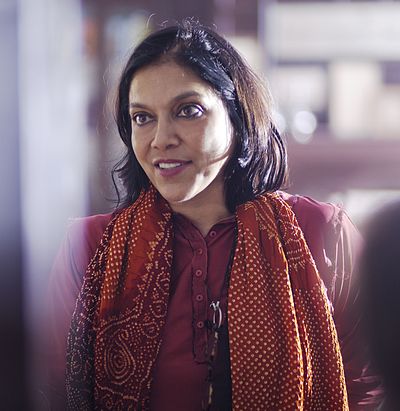
Zoya Akhtar, Mira Nair at 'Gangs Of Wasseypur' screening 16




The Genesis of a Cinematic Voice
Mira Nair's journey into filmmaking is rooted in a rich cultural background and a keen observation of the human condition. Born in Bhubaneswar, India, her early exposure to diverse societal dynamics and artistic expression laid the groundwork for her future career. Nair pursued higher education in the United States, studying at Harvard University, where she honed her critical thinking and artistic sensibilities.
This period of academic and cultural immersion allowed her to bridge her Indian heritage with Western perspectives, a fusion that would become a hallmark of her filmmaking. Her commitment to independent cinema, rather than mainstream Hollywood, stems from a desire to maintain creative control and tell stories that might otherwise be overlooked. Through her production company, Mirabai Films, she has consistently championed narratives that are authentic, nuanced, and deeply human, often focusing on themes of diaspora, identity, and social justice.
A Trailblazing Career
Mira Nair's directorial debut, 'Salaam Bombay!' (1988), was a seismic event in international cinema. This powerful drama, set in the slums of Mumbai, offered an unflinching look at the lives of street children and garnered significant critical attention, including nominations for an Academy Award and a BAFTA Award. This initial success established Nair as a filmmaker capable of tackling challenging subjects with profound empathy and artistic integrity.
Her subsequent works, such as 'Mississippi Masala' (1991), continued to explore intercultural relationships and societal prejudices, further solidifying her reputation. The romantic comedy-drama 'Monsoon Wedding' (2001) achieved widespread commercial and critical success, winning the prestigious Golden Lion at the Venice Film Festival and earning a BAFTA nomination. This film's ability to blend humor, drama, and cultural specificity resonated with audiences worldwide, demonstrating Nair's mastery of diverse genres and her consistent ability to deliver impactful storytelling.
Thematic Depth and Artistic Innovation in Nair's Filmography
Nair's filmography is characterized by its thematic richness and her innovative approach to cinematic language. She consistently delves into the complexities of human experience, often highlighting the intersection of culture, class, and gender. Her films are not merely observational; they are deeply empathetic explorations of characters navigating challenging circumstances.
For instance, 'Monsoon Wedding' masterfully captures the intricate dynamics of a modern Indian family preparing for an arranged marriage, offering a vibrant tapestry of tradition and contemporary life. Nair's directorial style is marked by its visual dynamism, compelling performances, and a keen ear for authentic dialogue. She has a remarkable ability to elicit raw and honest portrayals from her actors, creating characters that feel lived-in and relatable.
This commitment to authenticity, coupled with her sophisticated storytelling, has earned her numerous accolades, including multiple awards at major international film festivals like Cannes and Venice.
Impact and Legacy
Mira Nair's influence extends far beyond her individual films. She has become a significant role model for aspiring filmmakers, particularly women and individuals from underrepresented backgrounds, demonstrating that it is possible to achieve international recognition while maintaining artistic independence and a unique voice. Her success has paved the way for more diverse stories to be told and seen on a global scale.
Furthermore, her commitment to social commentary and her ability to humanize complex issues through her narratives contribute to a broader cultural dialogue. The fact that her son, Zohran Mamdani, is the mayor-elect of New York City, highlights a family legacy of public service and making a tangible impact. Nair's enduring legacy lies in her ability to craft films that are not only artistically brilliant but also profoundly meaningful, fostering empathy and understanding across diverse audiences.
See also
Frequently Asked Questions
Who is Mira Nair?+
What was Mira Nair's first movie?+
What kinds of stories does Mira Nair like to tell?+
What award did the movie Monsoon Wedding win?+
Why does Mira Nair make independent movies instead of Hollywood movies?+
Based on content from Wikipedia · Licensed under CC BY-SA 4.0