

Film Festival Fun!
Images
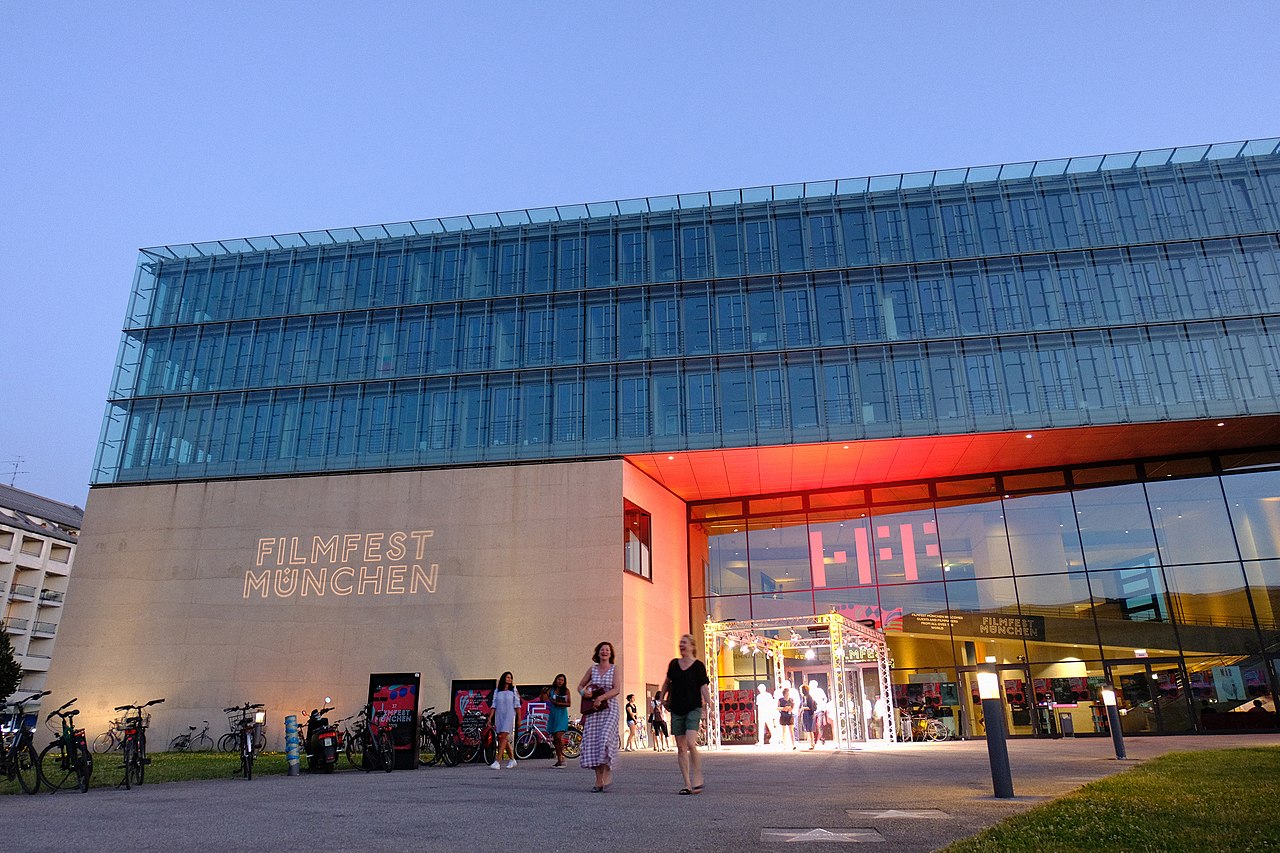
Film festival
The Genesis and Evolution of the Film Festival
The concept of the film festival emerged in the early 20th century as cinema transitioned from a novelty to a recognized art form. The Venice International Film Festival, established in 1932, is widely considered the first major international film festival. Its inception was driven by a desire to elevate cinema to the status of other fine arts and to foster cultural exchange.
The festival aimed to provide a neutral ground for artistic expression, free from political pressures that sometimes influenced national film industries. Following Venice's lead, other festivals soon appeared, each carving out its niche. Cannes, founded in 1946, quickly became synonymous with glamour and prestige, while Berlin, established in 1951, developed a reputation for its politically engaged programming and diverse international selection.
These early festivals not only celebrated filmmaking but also began to shape cinematic trends and influence global film discourse.
The Indispensable Role of Film Festivals in the Modern Industry
In contemporary cinema, film festivals are far more than just celebratory events; they are critical engines of the industry. For independent filmmakers, festivals like Sundance and Tribeca serve as essential launchpads, offering exposure to distributors, agents, and audiences that can propel careers and secure funding for future projects. A successful festival premiere can generate buzz, critical acclaim, and distribution deals that would be unattainable through conventional marketing channels.
Beyond individual careers, festivals act as vital marketplaces where the business of film takes place. Deals are struck, co-productions are initiated, and the future landscape of film distribution and exhibition is often shaped. They also serve as crucial cultural barometers, reflecting societal concerns, artistic innovations, and emerging global narratives.
Film Festivals as Cultural Incubators and Disseminators
Film festivals are powerful cultural institutions that foster dialogue, promote understanding, and champion cinematic diversity. They provide a unique space for audiences to engage with films that challenge conventions, explore complex social issues, and represent a wide spectrum of human experiences. By showcasing films from different countries and cultural backgrounds, festivals broaden perspectives and encourage empathy.
They often champion marginalized voices and underrepresented genres, ensuring that a richer, more varied cinematic tapestry is preserved and shared. Furthermore, festivals contribute to the cultural vibrancy of their host cities, attracting international attention and fostering a local appreciation for the art of filmmaking through screenings, panels, and public events.
The Mechanics of a Film Festival
The operational framework of a film festival involves several key stages. The submission process typically opens months in advance, with filmmakers worldwide submitting their works for consideration. A dedicated programming team then undertakes the rigorous task of reviewing potentially thousands of films, seeking out works that align with the festival's artistic vision and thematic focus.
Selection criteria often include originality, technical merit, narrative strength, and relevance. Once a program is curated, films are scheduled across multiple venues, often accompanied by Q&A sessions with directors, actors, and crew, fostering direct audience engagement. Many festivals incorporate competitive elements, with juries awarding prizes for best film, directing, acting, and screenplay, adding an element of prestige and critical validation.
Beyond screenings, festivals often host industry forums, masterclasses, and networking events, facilitating professional development and collaboration.
Global Reach
The global landscape of film festivals is incredibly diverse, reflecting varied cultural contexts and cinematic priorities. Prestigious events like Cannes are renowned for their blend of arthouse cinema and industry power, attracting global stars and major studio attention. Toronto International Film Festival (TIFF) is celebrated for its audience-centric approach and its significant role in the awards season race, often premiering films that go on to Oscar success.
Sundance has become the preeminent platform for independent and documentary filmmaking, nurturing groundbreaking talent. The Berlinale, with its emphasis on social and political themes, offers a more politically charged and diverse selection. Beyond these giants, countless smaller festivals cater to specific genres (horror, animation, LGBTQ+ cinema), regions, or experimental forms, collectively contributing to a rich and dynamic ecosystem that supports and disseminates cinematic art worldwide.
Go deeper
Frequently Asked Questions
What is a film festival?+
Why do film festivals start?+
How do film festivals help new movie makers?+
Where did the first big film festival happen?+
What happens when a film is chosen for a festival?+
Based on content from Wikipedia · Licensed under CC BY-SA 4.0