

Minneapolis
Images
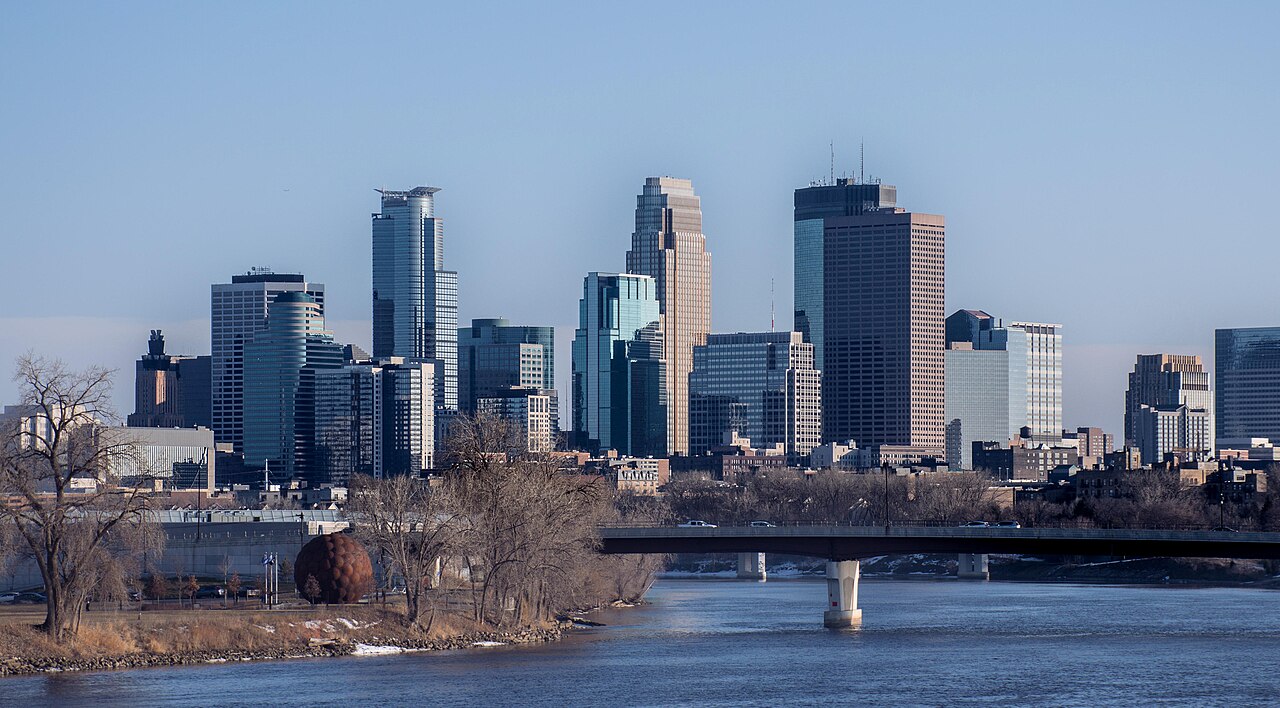
Minneapolis
Geomorphology and Climate
Minneapolis is situated in the southeastern part of Minnesota, a region profoundly shaped by glacial activity. The landscape is characterized by a series of interconnected lakes and the prominent Mississippi River, which originates further north and flows through the city. This hydrological network is a legacy of the Wisconsin Glaciation, which sculpted the terrain, leaving behind fertile soil and numerous water bodies.
The city's geography is further defined by the St. Anthony Falls, the only natural major waterfall on the upper Mississippi, historically crucial for industrial development. Minneapolis experiences a humid continental climate, marked by extreme seasonal variations.
Summers are typically warm and humid, with average July temperatures around 73°F (23°C), while winters are severe and cold, with average January temperatures near 11°F (-12°C). Annual precipitation averages around 30 inches (760 mm), with a significant portion falling as snow during the winter months, which can exceed 50 inches (127 cm) annually. This climate dictates much of the region's flora, fauna, and human activity, from agricultural cycles to recreational opportunities.
Historical Trajectory
The land that is now Minneapolis has been inhabited for millennia, primarily by the Dakota (Sioux) and Ojibwe (Chippewa) peoples. European American settlement began in earnest in the mid-19th century, driven by the fur trade and the potential of water power. The establishment of Fort Snelling in 1819 and the subsequent lumber and milling industries rapidly transformed the area.
The power of St. Anthony Falls was harnessed to create a world-leading flour milling industry by the late 19th century, attracting a diverse workforce, including significant numbers of Scandinavian and German immigrants. This industrial growth fueled rapid urbanization, leading to the official incorporation of Minneapolis in 1867.
The city's development was closely tied to its sister city, St. Paul, forming the core of the Minneapolis-St. Paul metropolitan area, often referred to as the 'Twin Cities.' The 20th century saw continued industrial diversification, suburban expansion, and significant social and political movements, including a strong labor union presence and activism for civil rights.
Cultural Tapestry
Minneapolis is renowned for its rich and diverse cultural landscape. The Minneapolis Institute of Arts (MIA) is a cornerstone, offering comprehensive collections and free general admission, fostering broad public access to art. The city's musical legacy is globally recognized, most notably as the home of Prince, whose Paisley Park complex remains a significant cultural landmark.
Beyond these institutions, Minneapolis boasts a thriving performing arts scene, with numerous theaters, dance companies, and music venues. The city's commitment to public spaces is evident in its extensive park system and the 'Grand Rounds Scenic Byway,' a network of parks and parkways. Minneapolis also has a strong tradition of community engagement and activism, with a history of progressive social policies and a notable Somali diaspora community, which contributes significantly to the city's cultural mosaic.
This vibrant cultural environment fosters a dynamic and inclusive urban experience.
Economic Drivers
The economic base of Minneapolis is characterized by its resilience and diversification, moving beyond its historical reliance on milling and manufacturing. Today, the city is a major center for finance, insurance, healthcare, technology, and transportation. It is home to the headquarters of several Fortune 500 companies, including UnitedHealth Group (healthcare), Target Corporation (retail), and General Mills (food processing).
The medical technology sector is particularly strong, with companies like Medtronic playing a pivotal role. The presence of the University of Minnesota, a major public research university, serves as a critical engine for innovation, driving advancements in various fields and supplying a highly educated workforce. Minneapolis also functions as a key transportation and logistics hub for the Upper Midwest, with extensive rail networks, a major international airport, and robust trucking infrastructure.
This multifaceted economic structure provides stability and opportunities for growth.
Governance and Civic Life
Minneapolis operates under a strong mayor-council form of government. The Mayor is the chief executive officer of the city, responsible for administering city services and proposing the budget. The City Council, composed of 13 members elected from single-member districts, is the legislative body, responsible for passing ordinances, adopting the budget, and overseeing city operations.
The city is further divided into 13 wards, each represented by a council member. Minneapolis is the county seat of Hennepin County, the most populous county in Minnesota, and shares governance responsibilities for regional issues. The city government provides a wide range of services, including public safety (police and fire departments), public works, parks and recreation, and planning and development.
Civic engagement is a notable aspect of Minneapolis, with active community organizations and a populace that often participates in local governance and advocacy.
Go deeper
Frequently Asked Questions
Where is Minneapolis located?+
What makes Minneapolis famous for its lakes and parks?+
Why is St. Anthony Falls important to Minneapolis?+
What kind of weather does Minneapolis have?+
What kinds of arts and music can you find in Minneapolis?+
Based on content from Wikipedia · Licensed under CC BY-SA 4.0