

Michael (archangel)
Images

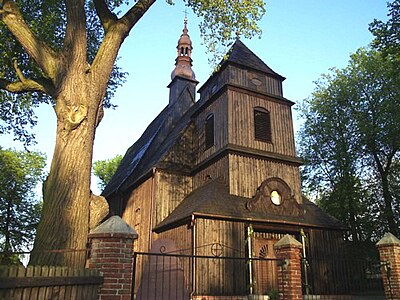
File:MOs810 WG 55 2016 Pyzdry Forest III (Saint Michael Archangel church in Chocz).jpg




Theological Genesis and Early Portrayals of Michael
The figure of Michael the Archangel emerges from ancient Jewish mystical and apocalyptic traditions, with his earliest textual mentions dating back to the 3rd and 2nd centuries BC. These early sources, often found within Jewish Hellenistic literature and pre-Christian texts, establish Michael as the preeminent archangel, the chief of the angelic hierarchy, and the designated guardian prince of Israel. His responsibilities were not merely symbolic; he was seen as actively involved in the divine governance of the world and the protection of God's chosen people.
This foundational understanding of Michael as a celestial commander and protector was deeply influential, shaping his subsequent portrayal in other religious traditions. The very name 'Michael,' meaning 'Who is like God?' in Hebrew, inherently positions him as a unique and powerful entity, often invoked in defiance of any challenge to divine sovereignty.
Canonical Integration and Evolving Roles in Abrahamic Faiths
Christianity largely inherited and amplified the Jewish traditions surrounding Michael. He is explicitly named in the New Testament, most notably in Revelation 12:7–12, where he leads the angelic forces in a cataclysmic battle against Satan, ultimately casting the adversary out of heaven. This pivotal event solidifies his role as the ultimate champion of God and the vanquisher of evil.
The Epistle of Jude also references Michael, depicting him in a dispute with the devil over the body of Moses, showcasing his authority and his role in divine judgment. In Islam, Michael (Mika'il) is recognized as one of the four principal archangels, serving as a divine messenger and a provider of sustenance. While his specific narratives may differ, the core concept of Michael as a powerful, divinely appointed figure dedicated to God's will and the protection of the faithful remains consistent across these major monotheistic faiths.
The Enduring Significance of Michael as a Symbol
Michael's enduring appeal and significance stem from his multifaceted representation of divine power, justice, and protection. He serves as a potent symbol of courage in the face of overwhelming odds, embodying the triumph of good over evil. For countless individuals throughout history, Michael has been a source of comfort and strength, invoked for protection against spiritual and physical dangers.
His role as a celestial warrior resonates with the human desire for defense and vindication, while his function as a guardian prince speaks to a need for divine oversight and care. The widespread veneration of Michael across Judaism, Christianity, and Islam underscores his universal resonance as a figure who bridges the earthly and the divine, offering hope and assurance to believers navigating the complexities of existence.
Michael's Multifaceted Functions
The archangel Michael's functions extend beyond that of a mere warrior. While his most dramatic portrayal is in leading the celestial armies against Satan, he is also understood as an intercessor, a divine advocate for humanity. In some traditions, he is believed to weigh the souls of the departed, ensuring a just transition to the afterlife, a role that aligns with his association with divine judgment and righteousness.
Furthermore, Michael is often depicted as a psychopomp, a guide for souls, assisting them on their journey beyond the mortal realm. This complex array of roles-from cosmic warrior and divine judge to compassionate intercessor and soul guide-highlights Michael's profound importance in the theological and spiritual landscapes of Judaism, Christianity, and Islam, making him one of the most revered figures in religious history.
See also
Frequently Asked Questions
Who is Michael the archangel?+
Why does Michael fight against Satan?+
How is Michael named in different religions?+
What does Michael do for people who need help?+
What does Michael do after someone dies?+
Based on content from Wikipedia · Licensed under CC BY-SA 4.0