

Medical Doctor
Images
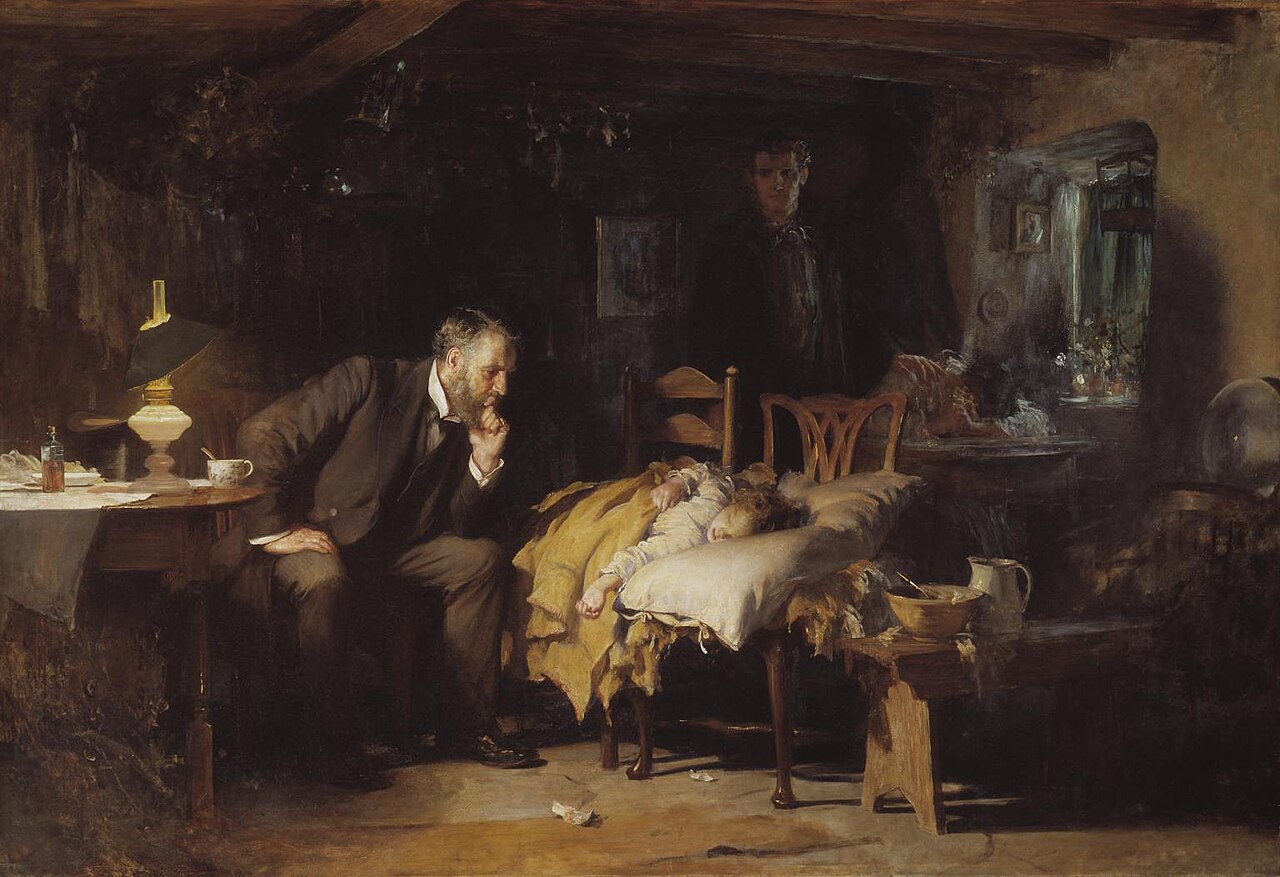
Medical doctor
The Doctor's Mandate
Medical doctors are the primary custodians of human health, tasked with an immense responsibility that spans the entire spectrum of life. Their role is a dynamic interplay between rigorous scientific inquiry and profound humanistic care. They are trained to meticulously dissect complex physiological and pathological processes, employing diagnostic reasoning that often involves synthesizing vast amounts of information from patient history, physical examinations, and a battery of diagnostic tests.
This diagnostic process is not merely about identifying a disease; it's about understanding the unique context of the individual patient, including their genetic predispositions, environmental factors, and psychosocial well-being. Once a diagnosis is established, doctors devise comprehensive treatment plans, which can range from pharmacotherapy and minimally invasive procedures to complex surgical interventions and long-term management of chronic conditions. Beyond direct patient care, doctors are integral to public health initiatives, disease prevention strategies, and the continuous advancement of medical knowledge through research and education.
Their ethical obligations, including patient advocacy and maintaining confidentiality, are paramount to the trust placed in them by society.
From Ancient Roots to Modern Miracles
The practice of medicine has evolved dramatically from its ancient origins to the sophisticated discipline it is today. Early medical practitioners, often associated with religious or philosophical traditions, relied heavily on empirical observation and the use of natural remedies. Key figures like Hippocrates in ancient Greece established a more rational, observational approach, emphasizing ethics and the importance of understanding the patient's environment.
The Renaissance and the Enlightenment spurred significant anatomical and physiological discoveries, while the 19th century witnessed groundbreaking advancements such as germ theory, anesthesia, and antiseptic techniques, fundamentally transforming surgery and infection control. The 20th and 21st centuries have seen an explosion of knowledge driven by molecular biology, genetics, and advanced imaging technologies, leading to targeted therapies, personalized medicine, and sophisticated diagnostic tools.
This historical trajectory highlights medicine's continuous quest for evidence-based practice and its adaptation to new scientific paradigms, underscoring the enduring human drive to alleviate suffering and prolong life.
The Indispensable Role of Doctors in Societal Well-being
The impact of medical doctors extends far beyond the individual patient, forming a critical infrastructure for societal health and stability. They are at the forefront of public health, orchestrating vaccination campaigns that have eradicated or controlled devastating diseases, and leading responses to emerging infectious threats. Doctors contribute significantly to economic productivity by ensuring a healthier workforce and reducing the burden of illness.
Furthermore, their role in medical research and innovation drives progress, leading to new treatments and improved healthcare outcomes that benefit entire populations. In times of crisis, whether natural disasters or pandemics, doctors are indispensable first responders, often working under extreme pressure to save lives. Their ethical guidance and advocacy shape healthcare policy, ensuring equitable access to care and upholding patient rights.
The presence of a robust medical profession is a hallmark of a developed and caring society, reflecting a collective commitment to the well-being of its citizens.
The Doctor's Arsenal
A modern physician's armamentarium is a sophisticated blend of advanced technology and honed cognitive skills. Beyond the ubiquitous stethoscope and sphygmomanometer, their diagnostic toolkit includes cutting-edge imaging modalities like MRI, CT, and PET scans, which provide detailed anatomical and functional insights. Endoscopic devices allow for internal visualization and minimally invasive interventions. Laboratory diagnostics, encompassing genomics, proteomics, and advanced molecular assays, offer unprecedented precision in identifying disease markers and guiding personalized treatment.
However, the most powerful tools remain the doctor's intellect and experience: their ability to synthesize complex data, apply critical thinking to differential diagnoses, and engage in empathetic communication to build therapeutic alliances. This cognitive prowess is honed through years of intensive education, clinical rotations, and continuous professional development, enabling them to interpret intricate biological signals and make life-altering decisions with confidence and precision.
Specializations and the Future of Medical Practice
The field of medicine is vast, leading to numerous specializations that allow doctors to develop deep expertise in specific areas of the human body or types of diseases. From cardiologists who focus on the heart to oncologists who treat cancer, and neurologists who manage brain and nerve disorders, these specialists provide highly focused care. This specialization is crucial for addressing the increasing complexity of medical knowledge and treatment options.
Looking ahead, the role of the medical doctor is poised for further transformation. Advances in artificial intelligence are beginning to assist in diagnosis and drug discovery, while telemedicine is expanding access to care. The growing emphasis on preventative medicine, wellness, and personalized treatments based on genetic profiles will also reshape practice.
Doctors of the future will likely be adept at integrating these new technologies and approaches, continuing their lifelong commitment to healing and improving human health in an ever-evolving landscape.
Go deeper
Frequently Asked Questions
What does a medical doctor do when someone is sick?+
How do doctors learn to become doctors?+
Why do doctors need to be kind and careful?+
Where do doctors help people besides hospitals?+
How has medicine changed over time?+
Based on content from Wikipedia · Licensed under CC BY-SA 4.0