

Mar del Plata
Images

Odontesthes argentinensis Mar del Plata 2


Geographic Significance and Coastal Dynamics
Mar del Plata's strategic location on the Atlantic coast of Buenos Aires Province, Argentina, defines its character and economic potential. Its name, derived from 'Mar del Río de la Plata,' signifies its proximity to the vast estuary of the Río de la Plata, influencing its maritime activities and coastal morphology. The city is a major urban center, serving as the seat of the General Pueyrredón district and ranking as the second-largest city within Buenos Aires Province and the fifth largest in Argentina overall, with a population exceeding 680,000.
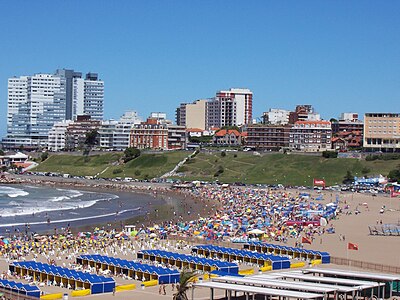
This substantial population base fuels both its domestic economy and its appeal as a tourist destination. The city's climate, characterized by temperate conditions with warm summers and mild winters, is conducive to its dual role as a bustling seaside resort and a year-round center for commerce and residential living. The extensive coastline provides ample space for its renowned beaches, which are central to its identity as Argentina's premier tourist destination.
Evolution from Coastal Hamlet to Urban Powerhouse
The historical trajectory of Mar del Plata is a compelling narrative of deliberate development and organic growth. Initially, the area was sparsely populated, recognized primarily for its natural resources, particularly its rich fishing grounds. The late 19th and early 20th centuries marked a period of significant transformation, driven by entrepreneurial vision and infrastructural advancements.
The construction of railways connected Mar del Plata to major inland centers, facilitating the movement of people and goods and spurring its expansion. This era saw the establishment of key industries, including fishing and tourism, which laid the foundation for its future prosperity. As its population swelled and its economic base diversified, Mar del Plata evolved from a modest coastal settlement into a major urban and economic hub.
Its growth reflects broader patterns of Argentine development, particularly the importance of coastal cities in national economic and social landscapes.
The Dual Pillars of Tourism and Maritime Industry
Mar del Plata's economy is fundamentally shaped by two dominant sectors: tourism and the fishing industry. As Argentina's largest seaside beach resort, it attracts millions of visitors annually, particularly during the summer months, generating substantial revenue through hospitality, retail, and entertainment. The city's extensive beaches, vibrant boardwalks, and diverse recreational activities are key draws.
Concurrently, Mar del Plata functions as one of Argentina's most important fishing ports. Its fleet operates in productive offshore waters, supplying both domestic and international markets with a variety of seafood. This maritime activity supports a complex ecosystem of related industries, including processing plants, shipyards, and logistics services.
The synergy between tourism and fishing creates a unique economic dynamic, positioning Mar del Plata as a vital contributor to Argentina's national economy and a distinctive cultural landscape where coastal leisure and industrial enterprise coexist.
Governance and Civic Structure
Mar del Plata operates as the administrative center for the General Pueyrredón district, indicating a structured form of local governance. This municipal framework is responsible for the administration of public services, urban planning, and the enforcement of local regulations within the city and its surrounding district. The governance structure ensures the management of essential services such as sanitation, public transportation, and infrastructure maintenance, which are critical for a city of its size and complexity.
Furthermore, local authorities play a key role in promoting and managing the city's significant tourism sector, balancing economic development with environmental preservation and the quality of life for its residents. The effectiveness of its governance directly influences Mar del Plata's ability to sustain its economic activities and maintain its status as a major Argentine city.
Education and Cultural Landscape
Mar del Plata hosts a comprehensive educational infrastructure, catering to its large population. The city is home to numerous public and private schools at primary and secondary levels, ensuring access to basic education for its youth. Beyond K-12 schooling, Mar del Plata is a significant center for higher education in the region.
It hosts several universities and tertiary institutions, offering a wide range of academic programs in fields relevant to its economy, such as marine biology, engineering, tourism, and business administration. These institutions not only educate the local workforce but also contribute to research and innovation. Culturally, Mar del Plata is a vibrant city with a rich artistic scene, numerous theaters, museums, and cultural centers that reflect its diverse population and history.
Its educational institutions play a crucial role in fostering this cultural dynamism and preparing future generations for both local and global challenges.
See also
Frequently Asked Questions
What is Mar del Plata known for?+
Where is Mar del Plata located?+
Why do so many tourists visit Mar del Plata?+
How does the fishing industry help Mar del Plata?+
How did Mar del Plata grow into a big city?+
Based on content from Wikipedia · Licensed under CC BY-SA 4.0