

Malacca Sultanate
Images
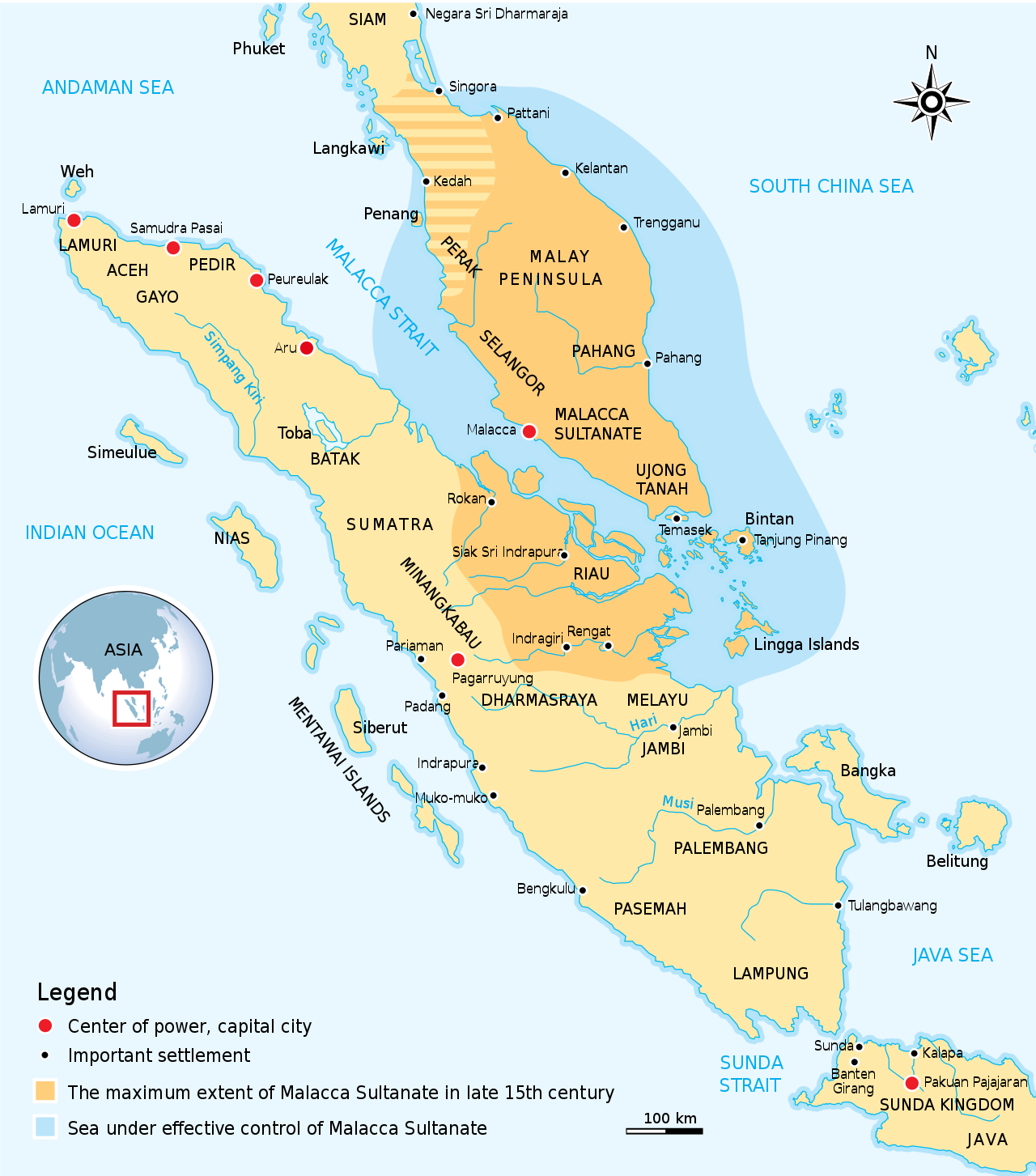
Malacca Sultanate
The Genesis and Strategic Ascendancy of Malacca
The Malacca Sultanate, established around 1400 AD by Parameswara, emerged as a formidable power in the Malay Archipelago, fundamentally reshaping the geopolitical and economic landscape of Southeast Asia. Its meteoric rise was intrinsically linked to its unparalleled strategic location at the confluence of major East-West maritime trade routes, specifically along the Strait of Malacca. This geographical advantage transformed Malacca into a natural entrepôt, a critical node where goods from China, India, the Middle East, and the Spice Islands converged.
Parameswara's vision, coupled with astute governance, fostered an environment conducive to trade, characterized by security, fair customs duties, and a stable currency. The sultanate's early diplomatic overtures, particularly its tributary relationship with the powerful Ming Dynasty of China, provided crucial protection against regional rivals and legitimized its growing influence, effectively shielding it during its formative years and enabling its rapid expansion.
A Crucible of Cultural and Religious Transformation
Beyond its economic prowess, Malacca served as a vibrant crucible for cultural and religious synthesis. The constant influx of merchants, scholars, and travelers from diverse backgrounds fostered a uniquely cosmopolitan society. This intermingling facilitated the widespread dissemination of Islam, which, through the influence of Gujarati and Arab traders, gradually became the dominant faith, supplanting earlier Hindu and Buddhist traditions.
The process was largely peaceful, driven by conversion, intermarriage, and the appeal of Islamic legal and administrative systems. Malacca's embrace of Islam had a profound and lasting impact, acting as a primary conduit for its spread throughout the Malay Peninsula, Sumatra, and beyond. The sultanate developed a sophisticated legal framework, blending Islamic jurisprudence with local adat (customary law), which contributed to its internal stability and attracted diverse populations seeking justice and order.
Imperial Administration and Maritime Hegemony
The Malacca Sultanate's administration was remarkably sophisticated for its era, designed to manage a complex trading empire. At its apex was the Sultan, advised by a council of ministers, including the Bendahara (chief minister), Laksamana (admiral), and Syahbandar (port master). The Syahbandar played a particularly crucial role, overseeing the bustling port, managing foreign merchant communities, and ensuring the efficient collection of taxes and duties.
The sultanate's military strength, particularly its formidable navy, was essential for maintaining control over its maritime territories and protecting its lucrative trade routes from piracy and rival powers. This naval dominance allowed Malacca to project its influence across a wide swathe of the region, dictating trade terms and fostering economic dependencies. The sultanate's economic policies, focused on facilitating trade rather than direct resource extraction, were key to its sustained prosperity and regional dominance for over a century.
The Enduring Legacy and Historical Significance
The fall of Malacca to the Portuguese in 1511 marked a pivotal moment, signaling the end of an era and ushering in European colonial influence in Southeast Asia. However, the sultanate's legacy is far from extinguished. It stands as a testament to the power of strategic location, effective governance, and cultural exchange in forging a successful pre-modern empire.
Malacca's role as a catalyst for the Islamization of the Malay world is undeniable, shaping the religious and cultural identity of millions to this day. Furthermore, its function as a global trading hub laid the infrastructural and conceptual groundwork for subsequent patterns of international commerce, influencing the development of port cities and trade networks for centuries. The study of the Malacca Sultanate offers critical insights into the dynamics of early globalization, the complex interplay of trade, religion, and power, and the enduring impact of cross-cultural interactions on the trajectory of human history.
Go deeper
Frequently Asked Questions
What was the Malacca Sultanate?+
Why was Malacca such an important trading city?+
How did Islam spread in Malacca?+
Who helped the Sultan run the city?+
What happened to the Malacca Sultanate in 1511?+
Based on content from Wikipedia · Licensed under CC BY-SA 4.0