

Macy's Thanksgiving Day Parade
Images

Macy’s thanksgiving day parade


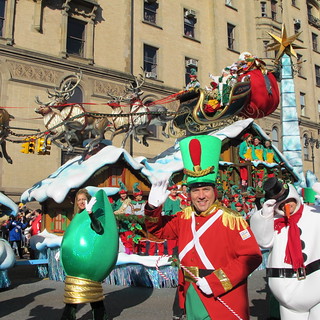


From Employee Celebration to National Spectacle
The Macy's Thanksgiving Day Parade originated in 1924, conceived by Macy's employees who sought to celebrate their new lives in America and the spirit of the holiday season. Drawing inspiration from European parades, they envisioned a grand procession that would bring joy and wonder to New York City. This initiative quickly resonated, establishing itself as a significant event. It holds the distinction of being tied for the second-oldest Thanksgiving parade in the United States, a testament to its enduring appeal and deep historical roots.
The parade's evolution reflects changing times and cultural trends, yet its core purpose of festive celebration remains constant.
The Art and Engineering of Giant Balloons and Floats
The parade is renowned for its iconic giant character balloons, which are engineering marvels in themselves. These balloons, often depicting popular figures from children's entertainment, can reach heights of over 50 feet, requiring skilled handlers to navigate them through the urban landscape. The design and construction process is meticulous, involving specialized materials and careful inflation techniques to ensure they remain stable and visually impressive.
Complementing the balloons are intricately designed floats, each a mobile stage that tells a story or showcases a theme. The creation of these elements involves artists, engineers, and fabricators working collaboratively to produce a visually stunning and cohesive parade.
Cultural Significance and Economic Impact
The Macy's Thanksgiving Day Parade transcends mere entertainment; it is a significant cultural touchstone in the United States. It officially ushers in the holiday season for millions, serving as a shared national experience that fosters a sense of unity and collective anticipation. Its broadcast on NBC since 1953 has cemented its status as a national tradition, watched by an estimated 20-30 million viewers annually.
Beyond its cultural weight, the parade also has an economic impact, drawing tourists to New York City and providing a platform for advertisers and performers. It embodies the spirit of American consumerism and celebration, deeply interwoven with the fabric of the holiday.
Logistics and Execution of a Massive Event
The three-hour parade, held annually on Thanksgiving Day from 8:30 AM to noon EST, is a logistical masterpiece. The route through Manhattan is carefully planned and secured, involving coordination with city officials, law enforcement, and emergency services. Hundreds of participants, including marching bands, dancers, and performers, are meticulously organized.
The sheer scale of managing the giant balloons, floats, and crowd control requires extensive planning and execution. The parade's consistent success year after year highlights the organizational prowess of Macy's and its partners in delivering a seamless and spectacular event.
Evolution and Modern Relevance
Since its inception in 1924, the parade has continuously adapted, incorporating new characters, themes, and technologies while retaining its core identity. It reflects contemporary popular culture, from movie releases to trending characters, ensuring its relevance to successive generations. The parade's ability to evolve while staying true to its celebratory roots is key to its longevity.
It continues to be a powerful symbol of American optimism and the communal spirit of Thanksgiving, providing a consistent and joyful start to the holiday season for families across the nation.
See also
Frequently Asked Questions
What is the Macy's Thanksgiving Day Parade?+
When did the Macy's Thanksgiving Day Parade start?+
How tall are the giant balloons in the parade?+
Who watches the parade on TV?+
Why is the parade important to people?+
Based on content from Wikipedia · Licensed under CC BY-SA 4.0