

Luther Vandross
Images

Bryan O'Quinn Christmas snow



Foundations in Performance and Collaborative Artistry
Luther Vandross’s musical genesis was deeply rooted in performance and a keen understanding of collaborative artistry. His early career, beginning in the late 1960s, saw him performing at the legendary Apollo Theater, a crucible for aspiring Black artists. This foundational experience was augmented by his involvement with a musical ensemble that even ventured into children's television, appearing on 'Sesame Street.' This early exposure to diverse audiences and performance settings undoubtedly shaped his stage presence and vocal control.
Crucially, Vandross honed his craft as a highly sought-after backing vocalist. This role demanded precision, versatility, and an ability to complement, rather than overshadow, the lead artist. His contributions were integral to the soundscapes of an impressive roster of artists, including Roberta Flack, Donny Hathaway, David Bowie, and Stevie Wonder.
This period was not merely about singing backup; it was an intensive education in studio production, arrangement, and vocal layering. His tenure as lead vocalist for the post-disco group Change on their 1980 album 'The Glow of Love' marked a significant transition, showcasing his potential as a frontman and foreshadowing his future solo success. This phase solidified his reputation as a formidable talent within the music industry.
The Solo Ascent
The pivotal moment in Luther Vandross's career arrived in 1981 with his signing to Epic Records as a solo artist. His debut album, 'Never Too Much,' was not just a collection of songs; it was a declaration of his artistic vision. The album’s success was immediate and profound, establishing a new standard for contemporary R&B.
What followed was an unprecedented run of commercial and critical acclaim: eleven consecutive RIAA-certified platinum albums. This remarkable achievement underscores his consistent ability to connect with a massive audience, delivering music that resonated deeply. Vandross also demonstrated his prowess as a producer, notably helming Aretha Franklin's 1982 album 'Jump to It,' which topped the Billboard R&B Albums chart.
This showcased his discerning ear and ability to guide other artists to success. His own hit singles, such as 'Never Too Much,' 'Here and Now,' and 'Power of Love/Love Power,' became anthems, characterized by his signature smooth vocal delivery, sophisticated arrangements, and emotionally resonant lyrics. He also excelled at reinterpreting classic songs, breathing new life into tracks like 'Superstar' and 'I (Who Have Nothing).'
Collaborative Brilliance and Enduring Cultural Impact
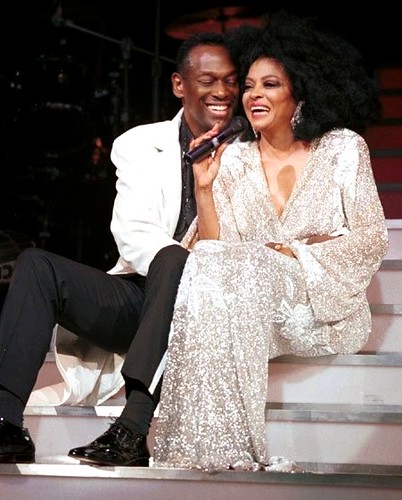
Luther Vandross possessed a rare talent for collaboration, creating iconic duets that remain highlights of his discography. His partnerships with artists like Beyoncé ('The Closer I Get to You'), Mariah Carey ('Endless Love'), and Janet Jackson ('The Best Things in Life Are Free') showcased his ability to harmonize and create compelling vocal dialogues. These collaborations not only produced chart-topping hits but also demonstrated his respect for and synergy with fellow artists.
His influence extended far beyond his active career. The release of the tribute album 'So Amazing: An All-Star Tribute to Luther Vandross' shortly after his death in 2005 was a powerful testament to the deep admiration he commanded. The ongoing reverence for his work is evident in contemporary tributes, such as the 2024 chart-topping single 'Luther' by Kendrick Lamar and SZA, which sampled his rendition of 'If This World Were Mine.' The premiere of the documentary 'Luther: Never Too Much' in the same year further solidified his enduring cultural significance, offering a comprehensive look at his life, career, and profound impact on music.
His induction into the National Rhythm & Blues Hall of Fame and the Grammy Hall of Fame are fitting acknowledgments of his monumental contributions.
The Vocal Virtuoso
Luther Vandross's artistic significance lies not only in his commercial success but also in the sheer quality and emotional depth of his vocal performances. Recognized by Rolling Stone as one of the 200 greatest singers of all time and by Billboard as one of the greatest R&B artists, his voice was consistently lauded for its technical brilliance and expressive power. NPR's inclusion of him among its 50 Great Voices further emphasizes the universal appeal and distinctiveness of his sound.
His eight Grammy Awards, including the prestigious Song of the Year for 'Dance with My Father,' highlight the critical validation of his artistry. This award, in particular, resonated deeply, showcasing his ability to connect with audiences on a profoundly personal level through storytelling and heartfelt delivery. Vandross’s music transcended genres, blending elements of soul, R&B, and pop to create a sound that was uniquely his own.
His legacy is one of sophisticated artistry, emotional honesty, and a commitment to musical excellence that continues to inspire new generations of musicians and captivate listeners worldwide. He set a benchmark for vocal performance and production in contemporary R&B.
See also
Frequently Asked Questions
Who was Luther Vandross?+
Where did he start performing?+
What was his first solo album?+
Did he work with other famous singers?+
What happened after he passed away?+
Based on content from Wikipedia · Licensed under CC BY-SA 4.0