

Roberta Flack
Images

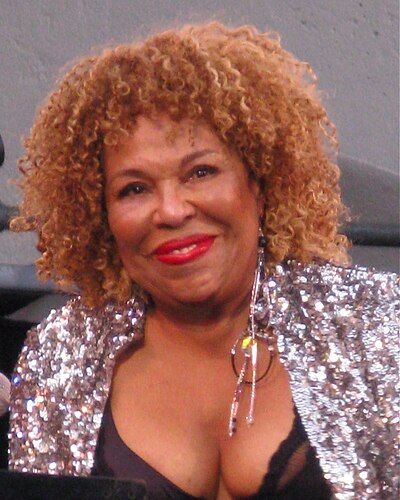
Larry n Shawn King Helen Gurley Brown n David Brown n Roberta Flack



The Genesis of a Soulful Sound
Born Roberta Cleopatra Flack on February 10, 1937, in Black Mountain, North Carolina, her musical journey began with a profound connection to classical piano and a burgeoning talent for vocal expression. Flack's early musical education laid the groundwork for her sophisticated approach to songwriting and performance. She defied easy categorization, masterfully weaving together elements of R&B, jazz, folk, and pop.
This deliberate fusion wasn't merely eclectic; it was revolutionary, contributing significantly to the emergence of the 'quiet storm' radio format. This subgenre, characterized by its smooth, romantic, and often introspective ballads, found its definitive voice in Flack's emotive delivery. Her ability to imbue each lyric with palpable feeling, whether joy, sorrow, or longing, created an intimate connection with her audience, setting her apart in the competitive landscape of 1970s popular music.
A Grammy Dynasty
Roberta Flack's commercial success was monumental, marked by an unprecedented achievement in Grammy history. Her rendition of Ewan MacColl's 'The First Time Ever I Saw Your Face' became a global phenomenon, topping the Billboard Hot 100 and earning her the Grammy for Record of the Year. What followed was an even more astonishing feat: she repeated this triumph the very next year with 'Killing Me Softly with His Song.' This made her the first artist ever to win the coveted Record of the Year award in consecutive years, a testament to her consistent artistic excellence and the profound impact of her recordings.
This dual victory not only solidified her place in music history but also elevated the standard for ballad performance, influencing countless artists who followed. Her ability to connect with listeners on such a deep emotional level through these iconic songs remains unparalleled.
The Art of Collaboration
Beyond her solo brilliance, Roberta Flack possessed a remarkable gift for collaboration, particularly with the late, great Donny Hathaway. Their duets, such as the socially conscious 'Where Is the Love' and the tender 'The Closer I Get to You,' are considered masterpieces of vocal harmony and emotional resonance. The chemistry between Flack and Hathaway was palpable, creating a unique synergy that captivated audiences and remains beloved.
This spirit of collaboration continued throughout her career. In the 1980s, her duet with Peabo Bryson, 'Tonight, I Celebrate My Love,' became a massive hit, showcasing her enduring appeal. Later, in 1991, she partnered with Maxi Priest for 'Set the Night to Music,' demonstrating her adaptability and continued relevance across different musical styles and generations.
These partnerships highlight her generosity as an artist and her ability to elevate any musical pairing.
Interpreting Masters and Earning a Lifetime Legacy
Roberta Flack's artistry extended to her profound interpretations of works by other celebrated songwriters. She breathed new life into compositions by literary figures like Leonard Cohen and reimagined classics from The Beatles, imbuing them with her signature soulful depth. This ability to inhabit a song, regardless of its original style or composer, showcased her versatility and deep understanding of musical storytelling.
Her career, spanning decades, was not just about hit singles; it was about a consistent dedication to musical integrity and emotional honesty. Recognizing this lifelong commitment, the Recording Academy bestowed upon her the Grammy Lifetime Achievement Award in 2020. This prestigious honor celebrated her indelible mark on the music industry, acknowledging her as a true icon whose influence continues to resonate and inspire.
See also
Frequently Asked Questions
Who is Roberta Flack?+
When and where was she born?+
Which songs earned her Record of the Year Grammys?+
What is quiet storm and how did she help create it?+
Who are some musicians she collaborated with?+
Based on content from Wikipedia · Licensed under CC BY-SA 4.0