

Los Angeles County, California
Images

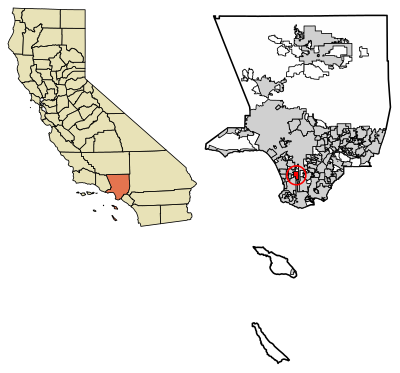
Los Angeles County California Incorporated and Unincorporated areas La Cañada Flintridge Highlighted 0639003



Geographic Tapestry and Climatic Influence
Los Angeles County, situated in the southwestern United States, presents a remarkable geographical diversity within its 4,083 square miles. Its landscape is a dynamic interplay of coastal plains, rugged mountain ranges like the San Gabriel Mountains, and vast inland basins. This varied topography dictates distinct microclimates, from the Mediterranean climate along the coast, characterized by mild, wet winters and warm, dry summers, to more arid conditions inland.
The county's extensive coastline along the Pacific Ocean is a defining feature, influencing weather patterns and providing significant recreational and economic resources. The presence of major fault lines also underscores the dynamic geological nature of the region, a constant reminder of its tectonic setting. This geographical complexity shapes everything from urban development patterns to ecological systems.
A Crucible of Cultures and Languages
The demographic profile of Los Angeles County is one of its most striking characteristics, standing as a testament to global migration and cultural fusion. It is consistently ranked among the most ethnically diverse counties in the U.S., a mosaic of peoples from virtually every nation on Earth. This heterogeneity is reflected in the multitude of languages spoken, creating a rich linguistic landscape where Spanish is widely prevalent alongside numerous Asian, African, and European tongues.
This diversity is not merely statistical; it actively shapes the county's cultural output, fostering a unique blend of traditions, cuisines, arts, and social practices. This constant exchange and intermingling of cultures contribute to a dynamic social fabric and a vibrant, evolving identity for the region.
The Epicenter of Global Entertainment
Los Angeles County's global renown is inextricably linked to its status as the historical and ongoing heart of the American motion picture and television industry. Since the early 20th century, the region has been the primary hub for film production, attracting talent, investment, and technological innovation. Major studios, independent production companies, and a vast ecosystem of related businesses are concentrated here, driving a significant portion of the county's economy.
Beyond its economic impact, the industry has profoundly shaped the county's identity, culture, and even its physical landscape, with iconic studios and landmarks becoming globally recognized symbols. The narrative power generated within Los Angeles County continues to influence global culture and media consumption.
Demographic Dominance and Urban Scale
The sheer scale of Los Angeles County's population is unprecedented within the United States. With an estimated 9,757,129 residents in 2024, it surpasses the population of 40 individual U.S. states, highlighting its status as a megaregion. This immense population density presents both opportunities and challenges, from a vast labor market and diverse consumer base to significant demands on infrastructure, housing, and public services.
The county seat, the City of Los Angeles, is the second most populous city in the nation, underscoring the concentrated urban intensity of the region. This demographic weight makes Los Angeles County a critical political and economic force within California and the United States.
Governance and Socioeconomic Dynamics
The governance of Los Angeles County involves a complex interplay between county-level administration and the 88 incorporated cities within its boundaries. The County Board of Supervisors, a five-member elected body, holds significant authority over regional planning, public health, law enforcement (through the Sheriff's Department), social services, and infrastructure projects that span multiple municipalities. This structure aims to provide essential services and address issues that transcend city limits, such as transportation and environmental protection.
However, the vast disparities in wealth, income, and access to resources among its diverse population present ongoing socioeconomic challenges. Addressing issues of inequality, affordable housing, and sustainable development are critical priorities for the county's leadership and its residents.
Educational Landscape and Innovation
Los Angeles County boasts a comprehensive and diverse educational system, catering to its massive and varied population. It is home to numerous public school districts, private institutions, and a robust higher education network. The Los Angeles Unified School District (LAUSD) is the second-largest in the nation, serving millions of students across a wide spectrum of socioeconomic backgrounds.
Beyond K-12 education, the county is a hub for academic research and innovation, with world-renowned universities like the University of California, Los Angeles (UCLA) and the University of Southern California (USC). These institutions contribute significantly to scientific discovery, technological advancement, and the cultural enrichment of the region, preparing future generations for a rapidly evolving global landscape.
See also
Frequently Asked Questions
What is Los Angeles County like?+
Why is Los Angeles County famous for movies?+
How many people live in Los Angeles County?+
Where does the weather in Los Angeles County change?+
What makes Los Angeles County a diverse place?+
Based on content from Wikipedia · Licensed under CC BY-SA 4.0