

Lobster: The Ocean's Armored Knights!
Images
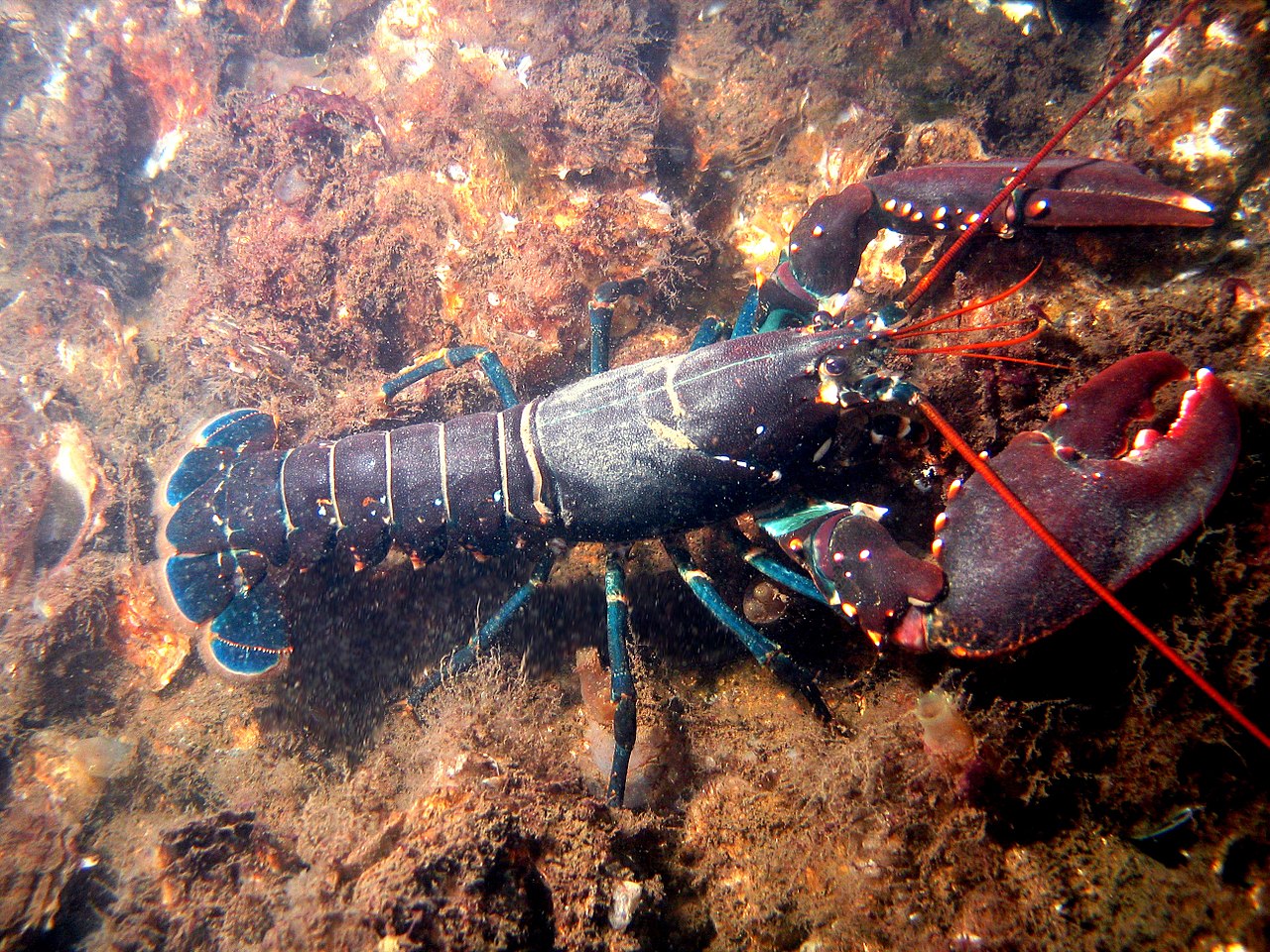
Lobster


The Lobster's Thorax
Lobsters, belonging to the infraorder Astacidea within the order Decapoda, are iconic marine invertebrates renowned for their robust exoskeletons and specialized appendages. The exoskeleton, composed primarily of chitin and calcified proteins, provides essential structural support and protection against physical damage and osmotic stress in marine environments. However, this rigid armor necessitates a complex molting cycle (ecdysis) for growth.
During ecdysis, the lobster becomes highly vulnerable as it sheds its old cuticle and inflates its body with water to expand its new, soft exoskeleton. This process is energetically costly and leaves them susceptible to predation and environmental fluctuations. The anterior-most pair of pereiopods are dramatically modified into chelae, or claws.
These are typically dimorphic: a larger, heavier crusher claw, often asymmetrical, used for immobilizing prey and crushing hard shells, and a smaller, sharper cutter claw for tearing flesh. This dual-functionality enhances their predatory efficiency and scavenging capabilities. Locomotion is primarily ambulatory, characterized by a distinctive sideways gait using their walking legs (pereiopods), but they possess a powerful tail-flicking escape response (caridoid escape reaction) for rapid evasion.
Ecological Roles and Dietary Strategies
Lobsters are crucial components of benthic ecosystems, acting as both predators and scavengers, thereby influencing the structure and dynamics of marine communities. Their diet is highly opportunistic and varies with age, size, and habitat. They consume a wide array of organisms, including benthic invertebrates like mollusks, echinoderms, and polychaete worms, as well as small fish and carrion.
By preying on herbivorous invertebrates such as sea urchins, lobsters can indirectly influence algal growth and the health of kelp forests and other macroalgal habitats. Their scavenging behavior plays a vital role in nutrient cycling and waste removal on the seafloor. The ability of lobsters to regenerate lost appendages, including their formidable claws, is a testament to their remarkable physiological resilience.
This autotomy allows them to escape predators or shed damaged limbs, which are then regrown over subsequent molts, demonstrating significant regenerative capacity. This adaptation is critical for their survival in often-hazardous marine environments.
Global Distribution and Reproductive Strategies
Lobsters are distributed worldwide, inhabiting a broad spectrum of marine environments from shallow coastal waters to the deep sea, predominantly in temperate and tropical regions. They favor substrates such as rocky reefs, coral formations, seagrass beds, and sandy or muddy bottoms, where they excavate burrows or utilize existing crevices for shelter. Prominent species include the American lobster (Homarus americanus) in the North Atlantic and the European lobster (Homarus gammarus) in the Northeast Atlantic.
Reproductive strategies are characterized by external fertilization, with females typically brooding fertilized eggs attached to their pleopods (swimmerets) for extended periods, ranging from several months to over a year, depending on species and water temperature. Upon hatching, the larvae are planktonic, drifting in the water column for weeks to months, undergoing several developmental stages before undergoing metamorphosis and settling to the benthos to commence their benthic existence. This planktonic phase exposes them to significant mortality and dispersal, making population dynamics sensitive to ocean currents and food availability.
Longevity, Aging, and Conservation Imperatives
Lobsters are celebrated for their exceptional longevity, with many species exhibiting negligible senescence, meaning they do not appear to age in the conventional sense and can continue growing and reproducing throughout their lives. The American lobster, for example, is estimated to live for 50 years or more, with some individuals potentially exceeding a century. This biological immortality is attributed to factors such as a stable environment within their exoskeleton, continuous molting, and potentially telomere maintenance mechanisms that counteract cellular aging.
Their long lifespans, coupled with slow growth rates, make them particularly susceptible to overfishing. Many lobster populations are heavily exploited, leading to concerns about sustainability. Conservation efforts focus on implementing strict fishing regulations, including size limits, catch quotas, and protected areas, to ensure the long-term viability of these ecologically and economically important species.
Understanding their unique aging process also holds potential insights for gerontology research.
Go deeper
Frequently Asked Questions
What makes a lobster's shell special?+
Why do lobsters have two different claws?+
How do lobsters move around the ocean floor?+
What do lobsters eat and why are they important for the sea?+
How do lobsters grow new claws after losing one?+
Based on content from Wikipedia · Licensed under CC BY-SA 4.0