

Poultry: Our Feathered Friends!
Images

Poultry
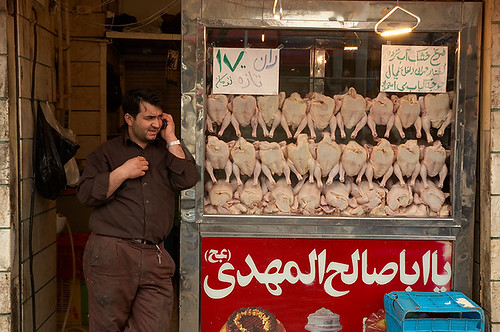


The Evolutionary Trajectory from Wild Ancestors to Global Food Source
Poultry, encompassing species like chickens (Gallus gallus domesticus), ducks (Anas platyrhynchos domesticus), geese (Anser anser domesticus), and turkeys (Meleagris gallopavo), represent a remarkable success story of animal domestication. The primary ancestor of the domestic chicken is widely accepted to be the Red Junglefowl (Gallus gallus), native to the forests of Southeast Asia. Archaeological evidence suggests domestication occurred independently in multiple regions, possibly as early as 10,000 years ago, driven by the desire for eggs, meat, and potentially cockfighting.
This process involved a profound co-evolutionary relationship between humans and these birds. Through artificial selection, humans favored traits such as increased egg production, faster growth rates, reduced broodiness (the instinct to sit on eggs), and greater docility. This selective pressure led to the vast array of breeds seen today, each adapted for specific environmental conditions and human needs, fundamentally altering the genetic makeup of these species from their wild counterparts.
Economic Powerhouse
The poultry industry is a colossal sector of global agriculture, vital for food security and economic development. Poultry meat and eggs are among the most consumed animal protein sources worldwide due to their affordability, accessibility, and nutritional profile. Chickens, in particular, are highly efficient converters of feed into protein, requiring less land and water compared to beef or pork production.
This efficiency makes them a crucial resource for feeding a growing global population, especially in developing nations. The industry generates significant employment across the value chain, from feed production and farming to processing, distribution, and retail. Furthermore, by-products like feathers are utilized in various industries, and poultry manure serves as a valuable organic fertilizer.
The economic resilience and scalability of poultry farming have cemented its position as a cornerstone of modern food systems.
Nutritional Ecology
The dietary requirements of poultry are complex and have been extensively studied to optimize health and productivity. As omnivores, their natural diet includes a wide range of plant and animal matter. Modern commercial poultry diets are typically formulated as balanced rations, primarily composed of cereal grains (like corn and wheat) for energy and protein meals (such as soybean meal) for amino acids.
Essential vitamins, minerals, and amino acids are supplemented to meet specific needs based on age, species, and production goals (e.g., egg-laying versus meat production). The digestive systems of poultry are adapted for rapid nutrient absorption. For instance, chickens have a crop for temporary food storage and a gizzard for grinding food.
Maintaining optimal gut health is paramount, as it influences nutrient utilization, immune function, and resistance to pathogens. Understanding their nutritional ecology is key to sustainable and healthy poultry production.
Biodiversity and Conservation
While domesticated poultry are abundant, the conservation status of their wild ancestors and related species is a growing concern. Habitat loss and fragmentation threaten wild junglefowl populations. Within domesticated poultry, there is a significant loss of genetic diversity as commercial operations favor a few highly productive hybrid lines, leading to the neglect of traditional and heritage breeds. These heritage breeds often possess valuable traits like disease resistance, adaptability to challenging environments, and unique flavor profiles, which could be crucial for future resilience in the face of climate change and emerging diseases.
Efforts are underway by conservation organizations and dedicated breeders to preserve these diverse genetic resources, ensuring that the rich heritage of poultry is not lost and can contribute to future food security and agricultural sustainability.
The Future of Poultry
The poultry industry is continually evolving, driven by demands for increased efficiency, improved animal welfare, and enhanced sustainability. Innovations in breeding technologies, such as genomics, are enabling the development of birds with superior traits. Advances in nutrition focus on reducing reliance on traditional feed ingredients and improving nutrient digestibility. Automation and precision farming techniques are transforming housing and management systems, leading to better environmental control and reduced labor.
Furthermore, there is a growing emphasis on alternative farming systems, including free-range and organic production, to meet consumer preferences for ethically raised products. Addressing challenges like antibiotic resistance and waste management through research and responsible practices will be critical for the long-term viability and public acceptance of the poultry sector.
Go deeper
Frequently Asked Questions
What kinds of birds are called poultry?+
Where did chickens first come from?+
Why are chickens good for feeding people?+
What do chickens eat?+
How do chickens help the environment?+
Based on content from Wikipedia · Licensed under CC BY-SA 4.0