

Cattle: Our Amazing Farm Friends!
Images
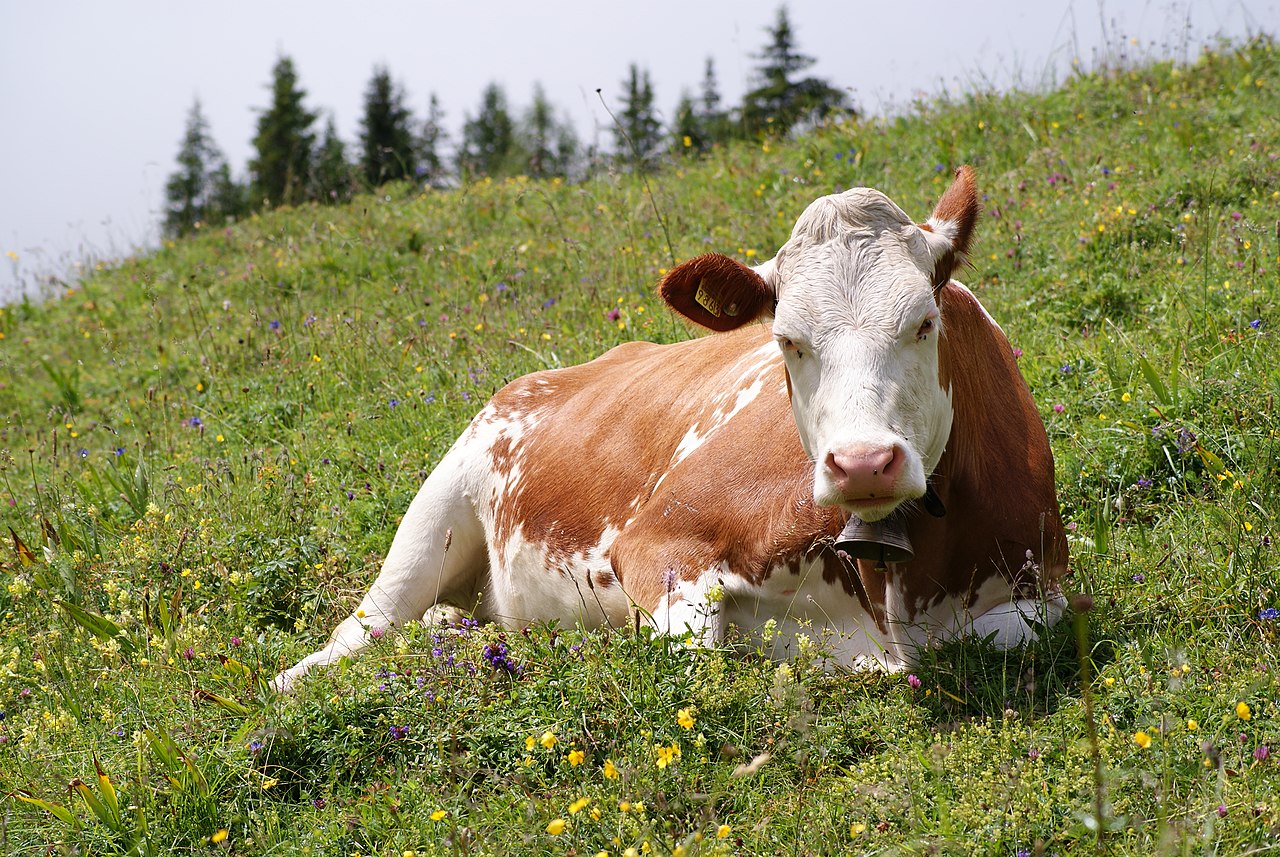
Cattle


The Long Road from Aurochs to Bovine Diversity
The journey of cattle from their wild origins to the diverse breeds we recognize today is a testament to millennia of human interaction and selective breeding. The formidable aurochs (Bos primigenius), a large and powerful wild bovine, once roamed vast territories across Eurasia and North Africa. Archaeological and genetic evidence points to independent domestication events, with the most significant occurring in the Fertile Crescent around 10,500 years ago, and possibly later in the Indian subcontinent and the Sahel region of Africa.
These early domestications were pivotal, providing humans with a reliable source of protein, milk, and draught power, which fundamentally altered human lifestyles, enabling the development of settled agriculture and the rise of complex societies. Over thousands of years, through conscious and unconscious selection, humans have shaped cattle into hundreds of distinct breeds, each adapted to specific environmental conditions and fulfilling particular roles, from the dairy breeds like Holstein-Friesian to the beef breeds such as Angus, and dual-purpose breeds.
Global Distribution and Ecological Niches
Cattle (Bos taurus) have achieved a remarkable global distribution, inhabiting nearly every terrestrial biome except the extreme polar regions and Antarctica. Their success is largely attributable to their adaptability and their unique ability to efficiently convert fibrous plant material, indigestible by humans, into nutrient-dense food products. While traditionally associated with temperate grasslands and pastures, cattle have been successfully integrated into diverse agricultural systems, including arid rangelands, tropical savannas, and even managed feedlots.
Their grazing can influence vegetation structure and biodiversity, playing a role in shaping landscapes. However, their environmental impact, particularly concerning methane emissions and land use, is a significant contemporary consideration in sustainable agriculture discussions.
The Intricate Bovine Digestive System
The digestive physiology of cattle is a prime example of evolutionary adaptation for herbivory. As ruminants, they possess a complex, four-compartment stomach: the rumen, reticulum, omasum, and abomasum. The rumen, the largest compartment, functions as a large fermentation vat where symbiotic microorganisms (bacteria, protozoa, and fungi) break down cellulose and other complex carbohydrates in plant matter.
This microbial fermentation produces volatile fatty acids, the primary energy source for the animal, and synthesizes essential amino acids and vitamins. The process of rumination, involving regurgitation and re-chewing of partially digested food (cud), further increases the surface area for microbial action and enzymatic digestion. This sophisticated system allows cattle to thrive on diets that would be nutritionally inaccessible to non-ruminant herbivores and omnivores, making them exceptionally efficient converters of plant biomass.
Economic and Societal Contributions
The economic and societal contributions of cattle extend far beyond their role as a food source. Historically, cattle were indispensable for agricultural traction, powering plows and transport, which was fundamental to the development of agrarian economies. Today, dairy production remains a cornerstone of global food industries, providing milk, cheese, butter, and yogurt that are vital components of diets worldwide. Beef production is a major global commodity, supporting livelihoods and economies across numerous countries.
Furthermore, cattle products like leather are essential for industries ranging from fashion to footwear. Even cattle by-products, such as manure, are valuable as organic fertilizer, contributing to soil health and sustainable farming practices. The economic significance of cattle is immense, underpinning food security, rural economies, and numerous industrial sectors.
Reproduction, Lifespan, and Management
Cattle reproduction is characterized by a gestation period of approximately nine months, typically resulting in a single offspring, known as a calf. Calves are precocial, capable of standing and walking shortly after birth, and rely on their mothers for milk and initial protection. Maternal care is pronounced, with cows exhibiting strong bonding behaviors.
The lifespan of cattle varies significantly based on breed, management practices, and environmental factors, but in well-managed captive settings, they commonly live between 15 to 20 years, with some individuals exceeding 25 years. This longevity allows for multiple productive years in both dairy and beef operations. Modern cattle management involves sophisticated practices in nutrition, health, breeding, and welfare, aiming to optimize productivity while ensuring animal well-being and environmental sustainability.
Go deeper
Frequently Asked Questions
What are cattle and why are they important on farms?+
How do cattle eat and digest food?+
Where do cattle live around the world?+
Why do cattle produce methane and what does that mean?+
How did humans change cattle over time?+
Based on content from Wikipedia · Licensed under CC BY-SA 4.0