

Limón Province: Costa Rica's Caribbean Treasure!
Images
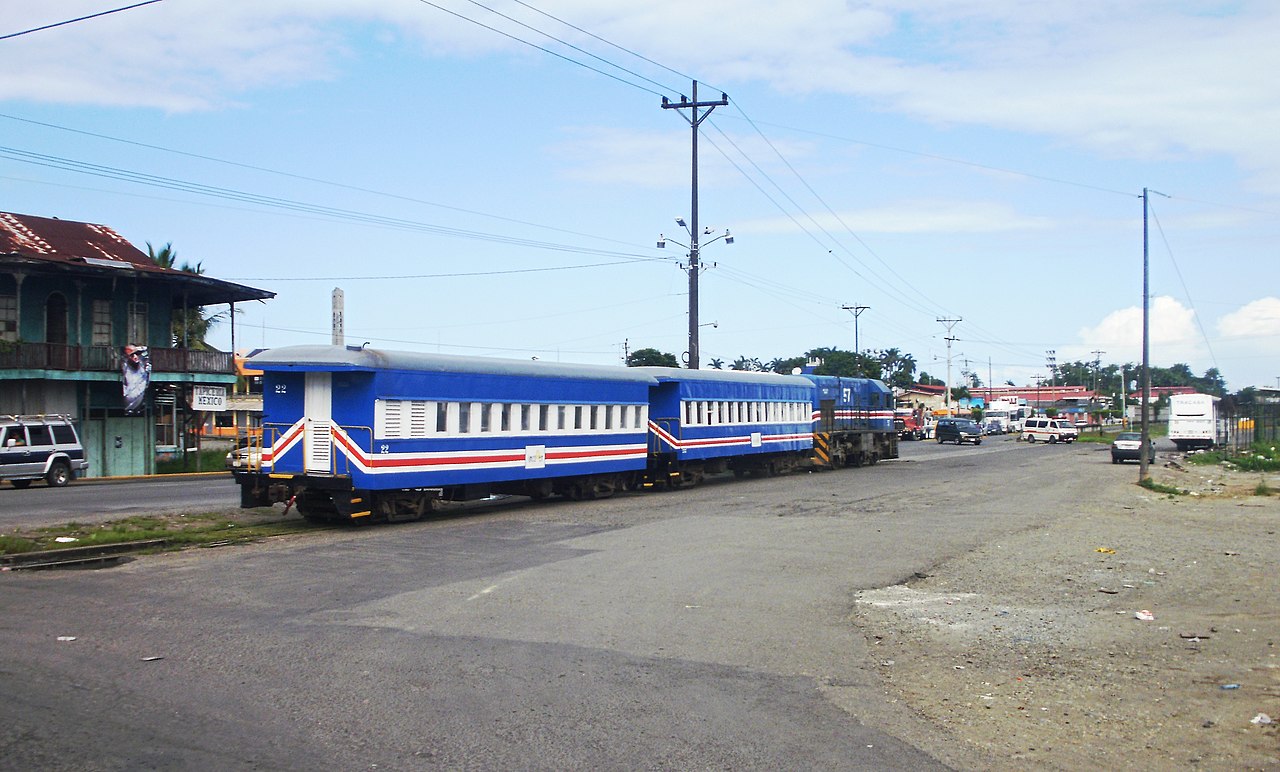
Limón Province, Limon, Costa Rica - panoramio (3)


Geographical Tapestry
Limón Province, a significant administrative division of Costa Rica, occupies a substantial 9,189 km² of the nation's eastern territory. Its geography is remarkably varied, encompassing the humid Caribbean lowlands that are characteristic of the region, alongside a portion of the formidable Cordillera de Talamanca mountain range in its southwestern reaches. This altitudinal diversity supports a wide array of ecosystems, from dense tropical rainforests teeming with life to coastal mangrove forests and pristine beaches.
The province's strategic location is underscored by its international borders: to the north, it shares a boundary with Nicaragua, demarcated by the historic Río San Juan, and to the south, it meets Panama, with the Río Sixaola serving as a natural frontier. Internally, Limón is subdivided into six cantons: Pococí, Guácimo, Siquirres, Matina, Limón, and Talamanca, each comprising several districts. This intricate geographical makeup not only influences the province's climate and biodiversity but also its historical development and cultural interactions, making it a unique microcosm of Costa Rican geography.
Cultural Crucible
Limón Province stands out as one of Costa Rica's most culturally rich regions, a testament to its historical connections and migration patterns. A substantial Afro-Costa Rican population calls Limón home, bringing with them a vibrant heritage deeply influenced by the Caribbean islands. This heritage is palpable in the province's distinctive music scene, which prominently features reggae, calypso, and soca, genres that are integral to social gatherings and celebrations.
The linguistic landscape is equally diverse; while Spanish is the official language, Limón Creole, a fascinating creole language with roots in English and African languages, is widely spoken and serves as a vital marker of cultural identity. The culinary traditions also reflect this Caribbean influence, with dishes like rice and beans being ubiquitous and prepared with unique local variations. The presence of indigenous communities further enriches this cultural mosaic, contributing ancient traditions and knowledge to the province's social fabric.
This confluence of cultures creates a dynamic and unique provincial identity.
Economic Arteries
The economy of Limón Province is primarily driven by its agricultural output and its strategic position as a major port. The fertile lands of the Caribbean lowlands are ideal for cultivating tropical crops, with bananas and pineapples being the most significant exports. These agricultural industries provide substantial employment opportunities for the local population.
The capital, Puerto Limón, is home to Costa Rica's largest Caribbean port, a critical hub for international trade, facilitating the import and export of goods. This port activity generates significant economic revenue and supports related service industries. Beyond agriculture and trade, Limón Province possesses immense potential for tourism, particularly eco-tourism and cultural tourism.
Its stunning natural beauty, including rainforests, diverse wildlife, and beautiful beaches, attracts visitors seeking adventure and relaxation. The unique Afro-Caribbean culture also offers a compelling draw for tourists interested in experiencing different traditions and music. Developing these tourism sectors further could provide sustainable economic growth for the province.
Governance and Social Fabric
Limón Province is administered through a system of six cantons, each representing a distinct administrative and geographical unit within the province. These cantons, namely Pococí, Guácimo, Siquirres, Matina, Limón, and Talamanca, are further divided into numerous districts, creating a layered structure of local governance. The capital city, Puerto Limón, serves as the administrative and economic center, housing provincial government offices and major public services.
The provincial government plays a crucial role in managing resources, implementing development projects, and ensuring the well-being of its residents. The local identity, embodied by the term 'limonenses,' is strong and deeply rooted in the province's unique history and cultural blend. This sense of belonging is fostered through shared traditions, community events, and a collective pride in their distinct heritage, which sets them apart within the broader Costa Rican national identity.
The governance structure aims to balance national policies with the specific needs and cultural nuances of Limón.
Education and Cultural Transmission
Education in Limón Province is a vital mechanism for both academic advancement and the preservation of its rich cultural heritage. The provincial education system strives to provide quality schooling across its cantons and districts, ensuring that young 'limonenses' have access to learning opportunities. A significant aspect of education here involves the transmission of cultural knowledge, including the history of the Afro-Costa Rican community and the importance of indigenous traditions.
Schools often incorporate local history, music, and language into their curriculum, helping to maintain the unique identity of the province. The use of Limón Creole in some educational settings acknowledges and validates the linguistic diversity present. Furthermore, community organizations and cultural centers play a crucial role in supplementing formal education by offering workshops, performances, and events that celebrate and pass down traditional arts, music, and storytelling to younger generations.
This dual focus on academic achievement and cultural continuity is essential for the future of Limón Province.
See also
Frequently Asked Questions
What is Limón Province in Costa Rica?+
Why is Limón Province known for its music and food?+
How does the geography of Limón Province affect its wildlife?+
Where is the biggest port in Limón Province located?+
What kind of crops are grown in Limón Province?+
Based on content from Wikipedia · Licensed under CC BY-SA 4.0