

Leonidas I
Images
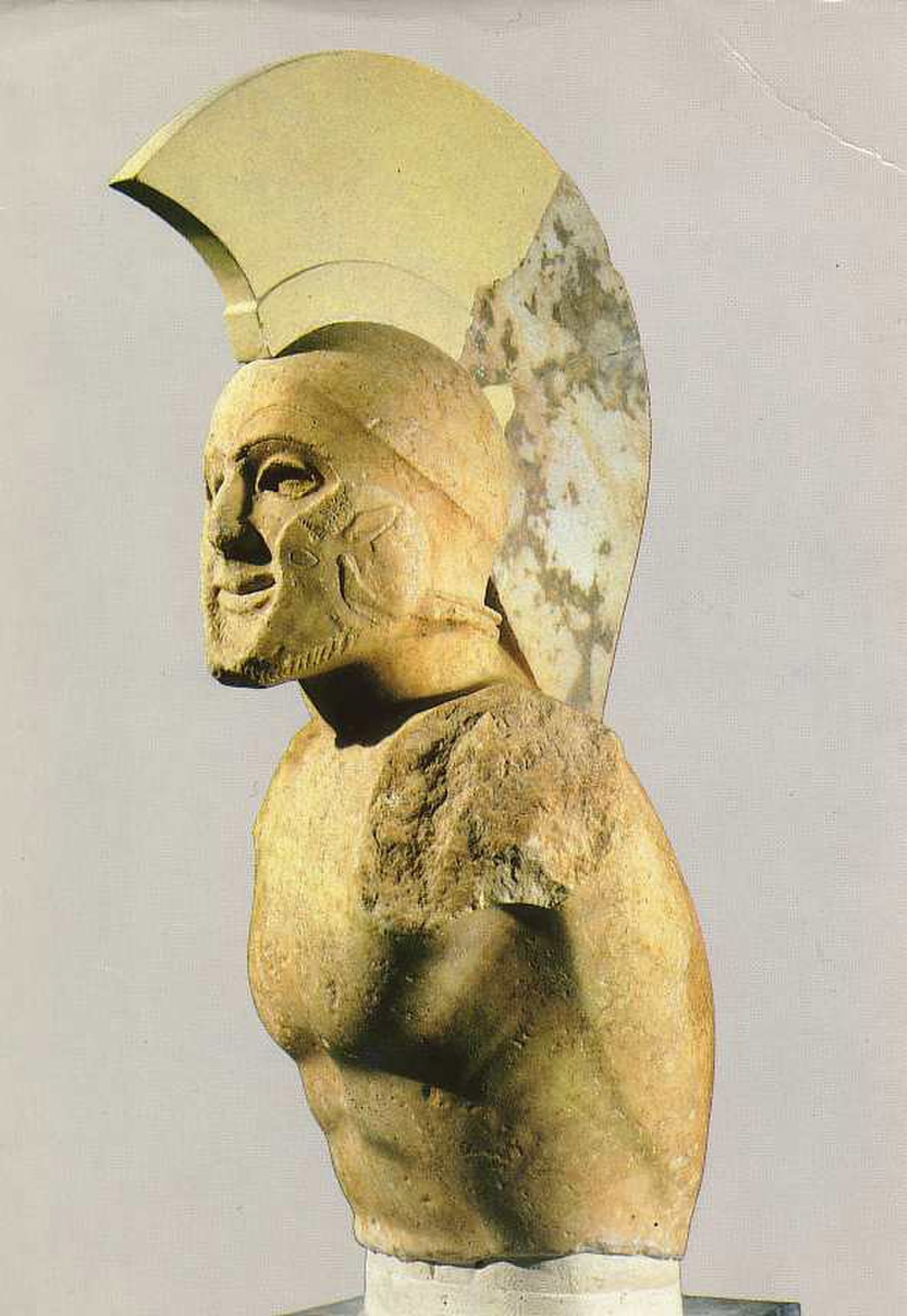
Leonidas I
The Spartan Ideal Embodied
Leonidas I, a member of the Agiad royal house, reigned as king of Sparta from approximately 488 BC until his death in 480 BC. His upbringing and education were steeped in the rigorous Spartan system, the Agoge, which emphasized discipline, obedience, and martial prowess above all else. This training forged him into the archetypal Spartan warrior-king, a leader who not only commanded but also fought alongside his men, embodying the very ideals of Spartan society.
His accession to the throne placed him at the helm of a formidable military power, albeit one that was often isolationist and wary of foreign entanglements. However, the existential threat posed by the expanding Persian Empire under Xerxes I compelled Sparta, and Leonidas, to engage on a larger stage.
The Strategic Imperative and Tactical Brilliance at Thermopylae
The Battle of Thermopylae in 480 BC was a pivotal moment in the Greco-Persian Wars. Leonidas, appointed commander of the allied Greek forces, chose the narrow pass of Thermopylae as the defensive point. This location was strategically brilliant, as it negated the Persians' overwhelming numerical superiority by forcing them into a confined space where their cavalry was useless and their vast numbers could not be effectively deployed.
Leonidas led a contingent of Greek soldiers, most famously 300 hand-picked Spartan hoplites, supported by other allied contingents. For three days, this vastly outnumbered force executed a masterful defense, repelling repeated Persian assaults and inflicting devastating casualties, demonstrating the effectiveness of Greek phalanx tactics against the less heavily armored Persian infantry.
Betrayal, Sacrifice, and the Spartan Ethos
The tide of the battle turned with the betrayal of Ephialtes, a local Greek who revealed a hidden mountain path that allowed the Persians to outflank the Greek position. Faced with encirclement and certain defeat, Leonidas made a profound decision rooted in the Spartan ethos. He ordered the majority of the allied forces to retreat, thus preserving them for future battles, while he and his 300 Spartans, along with some Thespians and Thebans, remained to fight to the last man.
This act was not merely a desperate last stand; it was a deliberate sacrifice, intended to inflict maximum damage on the enemy, demonstrate unwavering resolve, and inspire the rest of Greece. The battlefield became a testament to Spartan courage and their ultimate commitment to duty and honor, even in the face of annihilation.
Enduring Symbolism and Historical Impact
Leonidas's sacrifice at Thermopylae transcended its immediate military significance to become a powerful and enduring symbol of heroic resistance against tyranny and overwhelming odds. The story has been recounted and reinterpreted through millennia, influencing military thought, literature, and popular culture. It serves as a potent reminder of the value of courage, discipline, and the willingness to defend one's homeland, even at the ultimate cost.
The legend of Leonidas and the 300 has inspired countless individuals and movements, solidifying his place not just as a historical figure but as a timeless archetype of heroic defiance and self-sacrifice in the face of insurmountable challenges.
See also
Frequently Asked Questions
Who was Leonidas I?+
Why did Leonidas choose the pass at Thermopylae?+
How many Spartans fought with Leonidas at Thermopylae?+
What happened when the Persians found a hidden path?+
Why is Leonidas remembered today?+
Based on content from Wikipedia · Licensed under CC BY-SA 4.0