

Kraków
Images

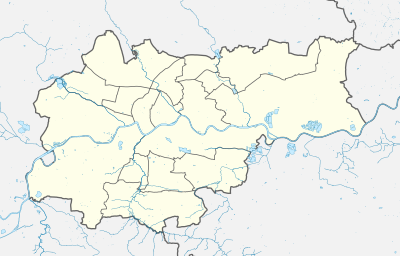
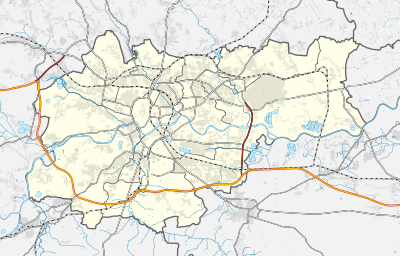
Kraków rail location map






Echoes of Royalty
Kraków's narrative is intrinsically linked to the rise of Poland. Emerging from a modest settlement on Wawel Hill around 985, it rapidly transformed into a pivotal trading nexus in Central Europe. Its elevation to the seat of Polish monarchs in 1038 marked the beginning of its golden age.
For centuries, Kraków served as the official capital, witnessing the reigns of the Piast and Jagiellonian dynasties and acting as the administrative heart of the vast Polish-Lithuanian Commonwealth until the late 16th century. This era cemented its status as a leading center for academic, cultural, and artistic endeavors. Even after the royal court relocated, Kraków retained its symbolic importance, reasserting its role as a nucleus of national spirit, particularly in the lead-up to and aftermath of Poland's re-establishment in 1918.
Its historical weight is palpable, making it a cornerstone of Polish identity.
Architectural Tapestry
The designation of Kraków's Old Town as one of the world's first UNESCO World Heritage Sites in 1978 underscores its unparalleled architectural and historical value. The city is a living museum, showcasing a remarkable evolution of styles from Gothic grandeur to Renaissance elegance and Baroque opulence. Dominating the skyline are Wawel Cathedral and the Royal Castle, iconic symbols of Polish statehood and artistry, situated on the picturesque Vistula River.
The Rynek Główny, Europe's largest medieval market square, remains a vibrant center of urban life, a testament to centuries of commerce and social interaction. The intricate details of St. Mary's Basilica, with its hourly trumpet call, and the imposing Saints Peter and Paul Church, further illustrate the city's rich architectural heritage.
This preserved urban fabric offers an invaluable glimpse into Central European urban development.
A Crucible of Knowledge and Resilience
Kraków's intellectual legacy is profound, anchored by the Jagiellonian University, founded in 1364. As one of the oldest universities globally, it has consistently been a beacon of higher learning and a driver of scientific and cultural progress in Poland. The city's commitment to knowledge extends to numerous national institutions, including the National Museum, the Kraków Opera, and the Jagiellonian Library, one of the largest in Poland.
Beyond its academic prowess, Kraków has also faced immense historical challenges. During World War II, it became the administrative center for Nazi Germany's General Government, and its Jewish population endured the horrors of the Kraków Ghetto and subsequent extermination camps. Despite this dark chapter, the city's resilience and its role in fostering national identity have endured.
The elevation of Karol Wojtyła, Archbishop of Kraków, to Pope John Paul II in 1978 further highlighted the city's global spiritual significance.
Global City
Recognized as a global city with 'high sufficiency,' Kraków thrives as a dynamic center of contemporary influence. Its designation as a European Capital of Culture in 2000 and a UNESCO City of Literature in 2013 highlights its vibrant cultural scene and commitment to the arts. The city has successfully hosted major international events, including World Youth Day in 2016 and the European Games in 2023, demonstrating its capacity for large-scale organization and its appeal as a global destination.
John Paul II International Airport, the second busiest in Poland, facilitates international connectivity, reinforcing Kraków's role as a key gateway for southeastern Poland. This blend of deep historical roots, a thriving cultural landscape, and modern infrastructure positions Kraków as a city of enduring relevance and significant global standing.
See also
Frequently Asked Questions
What is Kraków famous for?+
Why is Kraków called a "living museum"?+
How old is the Jagiellonian University?+
Where is the famous Wawel Castle located?+
Who became Pope John Paul II from Kraków?+
Based on content from Wikipedia · Licensed under CC BY-SA 4.0