

Global Cities: Super-Connected Places!
Images
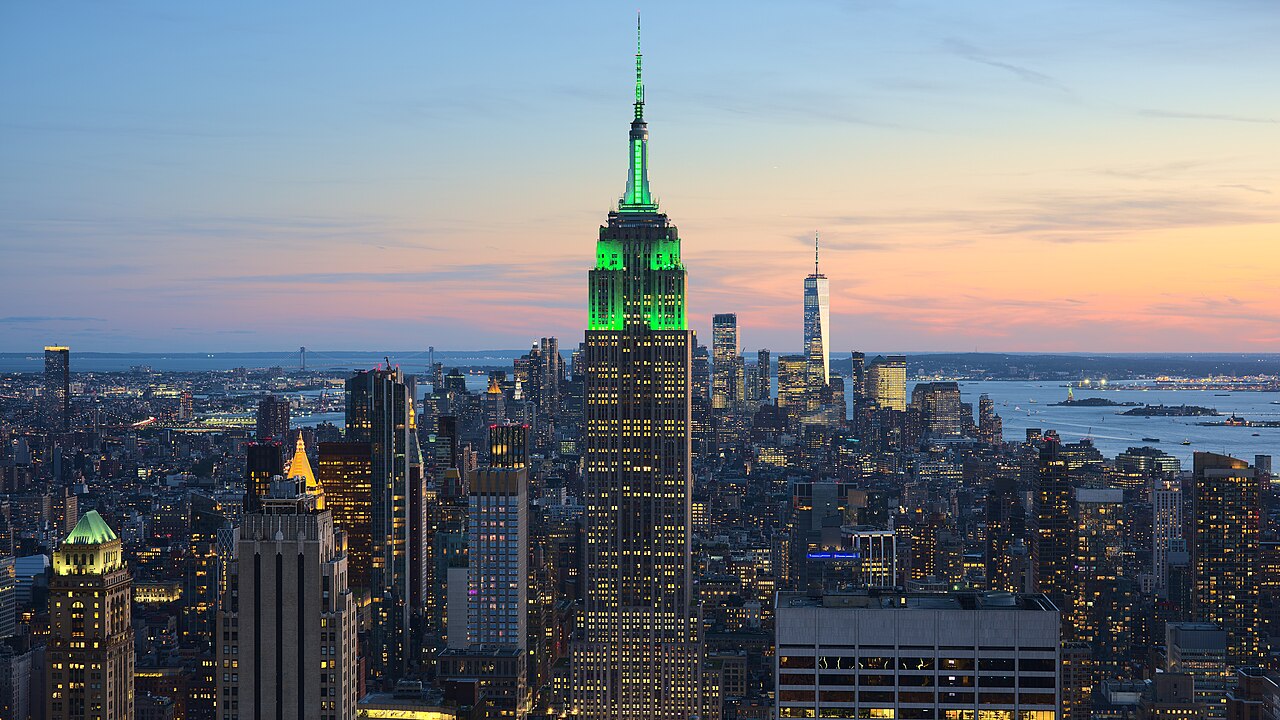
Global city
The Architecture of Global Economic Networks
Global cities are the fundamental building blocks of globalization, serving as primary nodes within the complex web of the world's economic system. Their significance stems from their ability to act as command centers for global capital, trade, and services. These urban centers concentrate advanced producer services, such as finance, law, accounting, and advertising, which are crucial for the functioning of multinational corporations.
The presence of major stock exchanges, international banks, and the headquarters of leading global firms solidifies their role as indispensable players in international finance. Their economic output and the decisions made within their boundaries have direct and tangible effects on global socioeconomic affairs, influencing market trends, investment flows, and economic policies far beyond their immediate geographical reach. The concept of a global city posits a hierarchy, with these metropolises at the apex, dictating much of the rhythm of the world economy.
Engines of Innovation and Cultural Hegemony
Beyond their economic might, global cities are crucibles of innovation and cultural dissemination. They attract a highly skilled and diverse workforce, fostering an environment ripe for groundbreaking research and development. World-renowned universities and research institutions within these cities are at the forefront of scientific discovery and technological advancement.
This intellectual capital fuels the creation of new ideas, products, and services that are then exported globally. Furthermore, global cities are epicenters of cultural production, influencing global trends in media, arts, fashion, and lifestyle. Their cultural output often reflects and reinforces their dominant position, shaping global tastes and norms.
This cultural influence is a powerful tool, contributing to their overall global standing and attractiveness.
Infrastructure as a Catalyst for Connectivity
The functionality of a global city is intrinsically linked to its advanced and integrated infrastructure. This encompasses not only world-class transportation networks – including major international airports, high-speed rail, and extensive port facilities – but also sophisticated communication systems and digital connectivity. This robust infrastructure facilitates the seamless flow of people, goods, capital, and information, which is essential for maintaining their status as global hubs.
The ability to connect efficiently with other cities and regions worldwide is paramount. This connectivity allows them to attract foreign investment, host international events, and serve as vital transit points, further cementing their position in the global network. Without this sophisticated web of connections, their ability to exert influence would be severely diminished.
The Evolving Landscape of Global City Rankings
The concept of a global city is not static; it is continuously studied and debated, leading to various ranking systems that attempt to quantify urban influence. These rankings often consider factors such as economic power, human capital, information exchange, cultural experience, and political engagement. While cities like New York, London, Tokyo, and Paris consistently appear at the top, the precise order and the inclusion of other cities can vary depending on the methodology.
These rankings highlight the dynamic nature of globalization and the shifting patterns of urban influence. Understanding these hierarchies helps us grasp the complex interplay of power and connectivity that defines the contemporary global urban landscape and how cities compete for prominence.
Challenges and the Future of Global Cities
Despite their immense power and influence, global cities face significant challenges. Issues such as extreme wealth inequality, rising housing costs, environmental sustainability, and the impact of technological disruption (like remote work) are critical concerns. The concentration of wealth and opportunity can exacerbate social divides, while rapid development often strains resources and infrastructure.
Moreover, the interconnectedness that defines global cities also makes them vulnerable to global crises, from financial meltdowns to pandemics. The future of global cities will depend on their ability to adapt to these challenges, fostering inclusive growth, embracing sustainable practices, and leveraging technology to enhance their resilience and continued relevance in an ever-changing world.
Go deeper
Frequently Asked Questions
What makes a city a "global city"?+
Why do global cities have big stock exchanges and banks?+
How do global cities help new ideas and inventions grow?+
Where can you find the best transportation in a global city?+
How do people decide which city is the most powerful in the world?+
Based on content from Wikipedia · Licensed under CC BY-SA 4.0