

Koala
Images
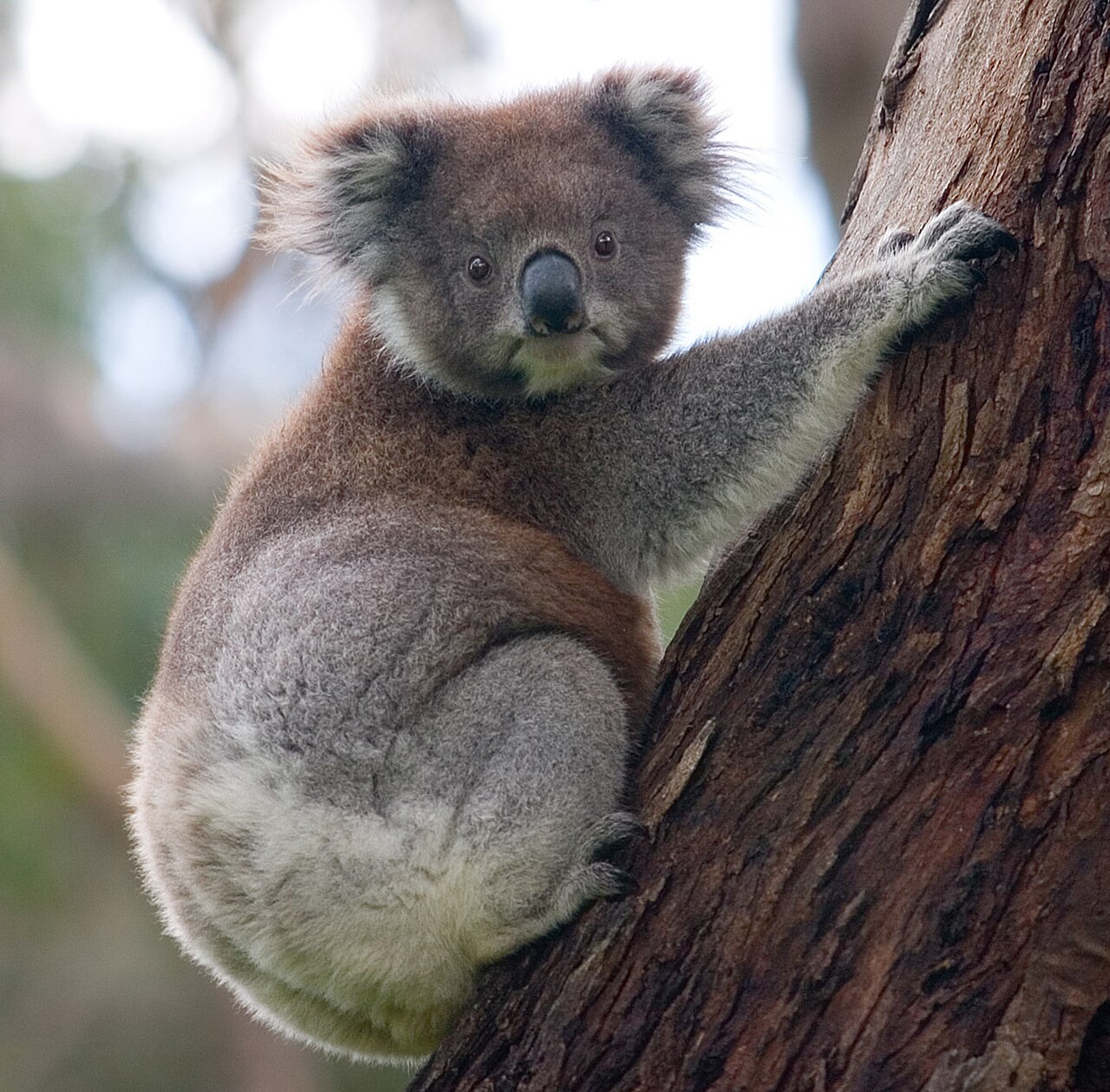
Koala




Ecological Specialization and Physiological Adaptations
The koala (Phascolarctos cinereus) is a prime example of extreme ecological specialization, primarily defined by its highly selective diet of eucalyptus leaves. This dietary choice dictates much of its physiology and behavior. Eucalyptus leaves are low in protein, high in fibrous material, and contain toxic compounds that are poisonous to most other animals.
Koalas possess a remarkably adapted digestive system, including a greatly elongated cecum (a pouch connected to the large intestine), which houses symbiotic microorganisms. These microbes are crucial for detoxifying the plant compounds and breaking down the tough cellulose, allowing koalas to extract nutrients efficiently. However, this digestive process is slow and energy-intensive, contributing to the koala's famously sedentary lifestyle and requirement for extensive sleep, often exceeding 18-20 hours per day.
This low metabolic rate is a key adaptation to their nutrient-poor diet. Their physical characteristics, such as sharp, curved claws and opposable digits, are perfectly suited for arboreal life, enabling them to navigate and grip tree branches with remarkable agility. Their thick, woolly fur provides insulation against Australia's varied climate, from the heat of the north to the cooler temperatures of the south.
Habitat Dependence and Geographic Distribution
Koalas are endemic to Australia, with their distribution confined to the eucalyptus woodlands and forests of the eastern and southeastern coastal regions. Their habitat is intrinsically linked to the presence of specific eucalyptus species, as they are not generalist feeders. Different regions support different eucalyptus species, and koalas exhibit preferences based on the nutritional content and toxicity levels of the leaves.
This strong habitat dependence makes them exceptionally vulnerable to environmental changes. The primary threats to koala populations stem from habitat fragmentation and loss, driven by agricultural expansion, urbanization, and logging. As forests are cleared, koalas lose their food sources, shelter, and corridors for movement, leading to increased stress, reduced breeding success, and higher mortality rates.
The fragmentation also isolates populations, reducing genetic diversity and making them more susceptible to local extinction events. Climate change exacerbates these issues, with increased frequency and intensity of bushfires posing a direct threat to both koalas and their habitat, while prolonged droughts can degrade eucalyptus leaves, impacting nutrition.
Reproductive Biology and Social Structure
Koala reproduction follows the typical marsupial pattern. Females typically give birth to a single offspring, known as a joey, after a gestation period of about 35 days. The newborn joey is altricial, meaning it is born in a very immature state – tiny, blind, hairless, and weighing less than a gram.
It immediately embarks on a remarkable journey, crawling unassisted from the birth canal, through the mother's fur, and into the pouch. Once inside, it latches onto one of the two teats, which swells to secure it. The joey remains in the pouch for approximately six to seven months, undergoing significant development.
During this period, the mother's milk composition changes to meet the joey's evolving nutritional needs. Before emerging fully, the joey begins to consume 'pap,' a special form of partially digested eucalyptus leaf produced by the mother, which inoculates its gut with the necessary microbes for digesting eucalyptus. Koalas are generally solitary animals, with home ranges that may overlap.
Social interactions are minimal, primarily occurring during mating season or when young are dispersing.
Conservation Status and Future Challenges
The koala's conservation status has unfortunately been elevated to Endangered in several key regions of Australia, reflecting a significant decline in population numbers. The multifaceted threats, including relentless habitat destruction, disease (particularly chlamydia, which can cause blindness and infertility), vehicle strikes, and dog attacks, have pushed this iconic species to the brink. Climate change presents an overarching threat, intensifying bushfires that decimate populations and their habitats, and altering rainfall patterns that affect eucalyptus growth and quality.
Effective conservation strategies require a holistic approach. This includes protecting and restoring critical eucalyptus habitats, establishing wildlife corridors to connect fragmented populations, implementing robust disease management programs, and mitigating human-wildlife conflict through public education and responsible land use planning. The long-term survival of the koala is intrinsically linked to Australia's commitment to environmental protection and sustainable development, serving as a critical indicator species for the health of its unique ecosystems.
Go deeper
Frequently Asked Questions
What is a koala?+
Why do koalas sleep so much?+
How do koalas eat eucalyptus leaves?+
Where do koalas live?+
Are koalas endangered?+
Based on content from Wikipedia · Licensed under CC BY-SA 4.0