

Katowice
Images
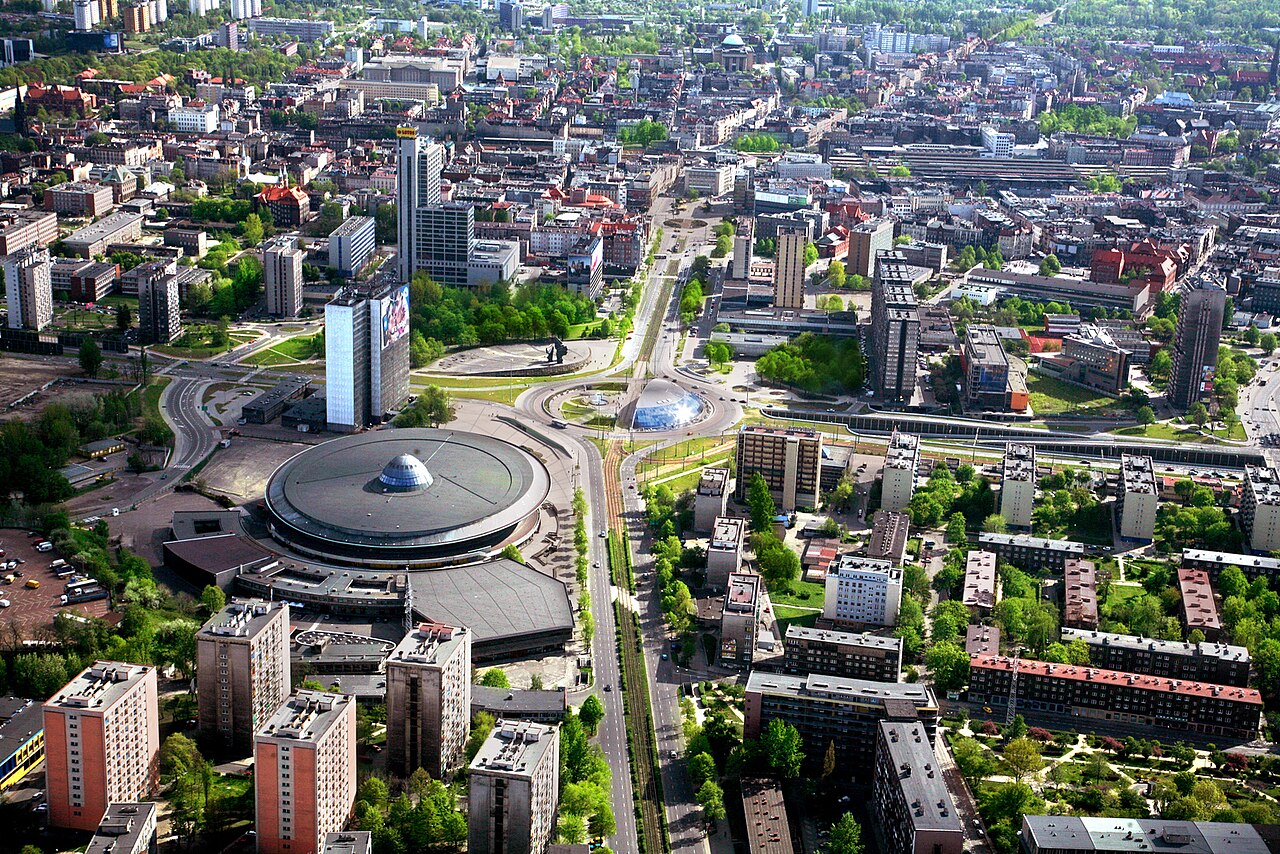
Katowice


From the Depths of the Earth to the Heights of Global Influence
Katowice, nestled in southern Poland, stands as a compelling case study in urban transformation. Its origins trace back to the 16th century as a modest village, but its trajectory was irrevocably altered by the discovery of vast coal reserves in the mid-18th century. This geological fortune catalyzed an intense period of industrialization throughout the 19th century, converting agrarian landscapes into sprawling industrial complexes dominated by mines, steelworks, and foundries.
This heavy industry era defined Katowice for generations, establishing it as a powerhouse of production. The city's subsequent economic restructuring, moving away from its industrial roots towards professional services, education, and healthcare, demonstrates a remarkable capacity for adaptation and foresight, positioning it as a key player in the 21st-century global economy. Its strategic importance is underscored by its role as the capital of the Silesian Voivodeship and a central node within the extensive Katowice urban area and the broader Katowice-Ostrava metropolitan region, a sprawling conurbation of approximately 5 million people.
The Reshaping of an Industrial Landscape
The economic narrative of Katowice is one of profound diversification. While its past is indelibly linked to coal mining and heavy manufacturing, the city has strategically pivoted its economic focus. This transition has seen the rise of sectors such as advanced services, robust educational institutions, and a growing healthcare industry.
This economic metamorphosis is not merely a shift in focus but a fundamental reimagining of the city's identity and its contribution to the regional and global economy. The Katowice Special Economic Zone is a prime example of this forward-thinking approach, consistently ranking among the world's top free zones and attracting significant foreign investment and technological development. The entire metropolitan area is a formidable economic force, ranking 16th in the European Union by GDP, with an output of $114.5 billion.
This economic vitality fuels the city's continuous development and its ability to host major international events.
A UNESCO City of Music
Beyond its economic prowess, Katowice has cultivated a rich and vibrant cultural scene, earning it a prestigious place in the UNESCO Creative Cities Network as a City of Music. This designation is a testament to the city's deep commitment to artistic expression and its significant contributions to the global music landscape. Katowice is home to world-renowned cultural institutions, including the Polish National Radio Symphony Orchestra, whose performances are celebrated internationally.
The city also pulsates with energy during its acclaimed music festivals, such as the Off Festival and Tauron New Music, which draw artists and audiences from across the globe. This vibrant musical ecosystem is complemented by its thriving esports community, highlighted by its role in hosting the finals of the Intel Extreme Masters, one of the premier professional esports tournaments worldwide. This dual focus on traditional arts and cutting-edge digital entertainment showcases Katowice's multifaceted cultural identity.
A Hub of Learning and Connectivity
Katowice serves as a critical center for higher education and research in southern Poland, fostering a highly skilled populace essential for its evolving economy. The city hosts several prominent institutions of learning, including the University of Silesia, the Silesian University of Technology, and the Karol Szymanowski Academy of Music. These institutions not only provide advanced education but also contribute significantly to research and innovation, driving progress in various fields.
Complementing its academic strength is its well-developed transportation infrastructure. Katowice Korfanty Airport acts as a vital gateway, connecting the city to domestic and international destinations. This robust infrastructure, combined with its strategic location within a major European metropolitan area, solidifies Katowice's position as a crucial hub for commerce, business, and cultural exchange, facilitating its ongoing growth and influence on a global scale.
See also
Frequently Asked Questions
What is Katowice known for?+
Why did Katowice become a big city?+
How has Katowice changed over time?+
Where is Katowice located?+
What cool events happen in Katowice?+
Based on content from Wikipedia · Licensed under CC BY-SA 4.0