

Silesian Voivodeship
Images

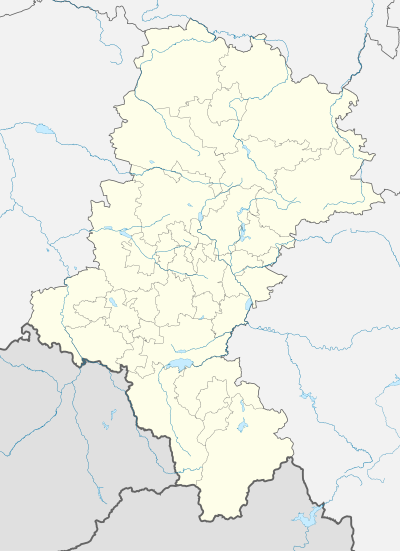
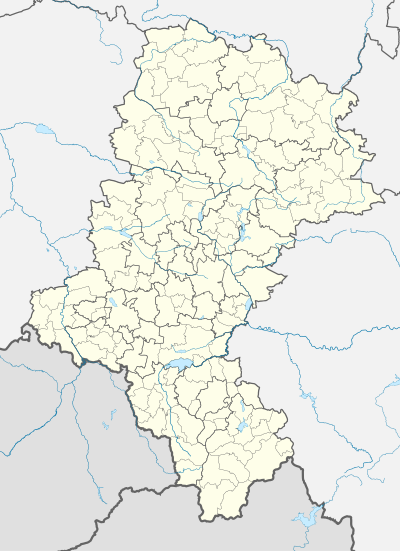
Lower Silesian Voivodeship location map






Geographical Tapestry
Silesian Voivodeship, situated in the southernmost part of Poland, presents a remarkably diverse geographical profile. The southern reaches are dominated by the Beskid Mountains, a sub-range of the Western Carpathians, culminating in Pilsko at 1,534 meters, a significant elevation that offers distinct climatic conditions and recreational opportunities. This mountainous terrain gradually gives way to the Silesian Upland in the central and northern areas.
This upland is characterized by its rolling hills and, crucially, its high degree of urbanization. The region is a prime example of a post-industrial landscape, where historical mining and heavy industry have shaped the topography and infrastructure. The Polish Jura, a limestone plateau, forms the northeastern boundary, adding further geological variety.
This varied geography influences everything from water resources and biodiversity to the distribution of human settlements and economic activities, creating a complex spatial organization within the voivodeship.
Historical Crossroads
The designation 'Silesian Voivodeship' belies a complex historical reality. While the western portion of the current administrative region aligns with historical Silesia, a significant eastern segment was historically part of Lesser Poland, and a northern sliver belonged to Greater Poland. This historical mosaic is a direct result of centuries of shifting borders, dynastic unions, and political realignments.
The region's industrial development, particularly from the 19th century onwards, also played a crucial role in shaping its modern identity and population dynamics, attracting workers from across the Polish lands and beyond. The legacy of this industrial past, coupled with its multi-regional historical roots, contributes to a unique cultural identity that is distinct from other parts of Poland. Understanding this historical layering is key to appreciating the region's present-day character and its place within the broader Polish narrative.
Economic Engine
Silesian Voivodeship stands as a cornerstone of the Polish economy, consistently contributing a substantial percentage of the national GDP (11.9%). Historically, its economy was heavily reliant on coal mining and heavy industry, a legacy that has profoundly shaped its urban development and environmental challenges. However, the region has undergone significant transformation, moving towards a more diversified economic base.
While traditional industries remain important, there has been a marked growth in sectors such as advanced manufacturing, automotive production, information technology, and business services. This economic dynamism is reflected in its high wages and relatively low income inequality, suggesting a more equitable distribution of economic gains compared to many other regions. The concentration of population and infrastructure also makes it a vital hub for trade and logistics within Poland and Central Europe.
Governance and Urban Dynamics
As Poland's most densely populated and urbanized region, Silesian Voivodeship presents unique governance challenges. The voivodeship is administered by a Marshal's Office and a Regional Assembly, responsible for strategic development, regional planning, and the coordination of public services. The sheer concentration of population, particularly within the Katowice urban area (one of Poland's largest), necessitates sophisticated urban planning and management.
This includes addressing issues of transportation, housing, environmental protection, and social services for over 4.2 million residents. The region is recognized as one of Poland's supra-regional metropolises, indicating its significant economic and administrative influence. Effective governance here involves balancing the needs of a vast urban population with the preservation of its natural landscapes and the ongoing transition from its industrial past.
Education and Innovation
The high level of urbanization and economic activity in Silesian Voivodeship is supported by a robust educational infrastructure. The region hosts a multitude of higher education institutions, including major universities in Katowice, Gliwice, and Częstochowa, offering comprehensive programs across technical, scientific, humanities, and artistic disciplines. These institutions are not merely centers of learning but also crucial drivers of research and innovation, often collaborating with local industries to foster technological advancement and economic competitiveness.
The presence of specialized technical universities, for example, directly feeds into the region's strong manufacturing and engineering sectors. This focus on education and R&D is vital for the continued diversification of the economy and for equipping the workforce with the skills needed to thrive in a globalized, knowledge-based economy, ensuring the region's long-term prosperity and adaptability.
See also
Based on content from Wikipedia · Licensed under CC BY-SA 4.0