

Kamchatka Krai
Images

Flag-map of Kamchatka Krai





Geopolitical Significance and Geographic Extremes
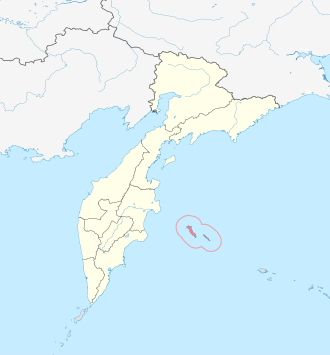
Kamchatka Krai represents a significant federal subject within the Russian Far East, strategically positioned at the confluence of major oceanic bodies and tectonic plate boundaries. Its territory is predominantly composed of the Kamchatka Peninsula, a landmass that dramatically separates the Sea of Okhotsk from the Bering Sea, a vital waterway connecting the Pacific Ocean to the Arctic.
This geographical isolation, coupled with its proximity to international shipping lanes and the North Pacific, imbues Kamchatka Krai with considerable geopolitical importance. The krai's territorial expanse also includes Karaginsky Island and the Commander Islands, further extending its maritime influence and strategic reach. Bordering Magadan Oblast to the west and Chukotka Autonomous Okrug to the north, Kamchatka Krai is a frontier region characterized by its vast, sparsely populated wilderness and its critical role in Russia's eastern defense and economic interests.
The region's unique position on the Pacific Rim also makes it a focal point for understanding global oceanic currents and biodiversity.
The Genesis of a Unified Administrative Entity
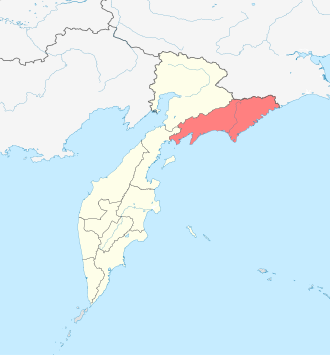
The contemporary administrative structure of Kamchatka Krai is a product of recent political consolidation. Established on July 1, 2007, it emerged from the merger of Kamchatka Oblast and Koryak Autonomous Okrug. This pivotal decision was the culmination of a democratic process, following a referendum held on October 23, 2005, where the populace overwhelmingly supported unification.
The integration aimed to streamline governance and resource management across a vast and diverse territory. Notably, the Koryak Autonomous Okrug was not fully absorbed but was granted a special administrative status within the new krai, now designated as Koryak Okrug. This provision acknowledges the distinct cultural heritage and historical autonomy of the Koryak people, ensuring their continued representation and self-governance within the broader framework of Kamchatka Krai.
This dual approach reflects a balance between centralized administration and regional particularism.
A Crucible of Volcanic Power and Geological Research
Kamchatka Krai is globally recognized as one of the planet's most active volcanic regions, situated squarely within the Pacific Ring of Fire. This intense geological activity is a defining characteristic of the krai, shaping its dramatic landscapes and influencing its ecological systems. The region boasts an impressive array of volcanoes, including Kluchevskaya, which stands as the highest active volcano in Eurasia, a testament to the immense subterranean forces at play.
Furthermore, Kamchatka is home to several Decade Volcanoes, such as Avachinsky and Koryaksky. These are volcanoes identified by the International Association of Volcanology and Chemistry of the Earth's Interior (IAVCEI) as being particularly worthy of study due to their historical eruptive behavior and potential for significant impact. The presence of these powerful geological features makes Kamchatka Krai an invaluable site for scientific research, offering unparalleled opportunities to study volcanic processes, seismic activity, and the Earth's internal dynamics.
Demographic Landscape and Urban Nucleus
The demographic profile of Kamchatka Krai is characterized by a relatively low population density spread across a vast territory, with a significant concentration in its administrative center. Petropavlovsk-Kamchatsky serves as the krai's largest city and its primary urban nucleus, housing over half of the region's total population of 291,705 inhabitants as recorded in the 2021 census. This concentration highlights the city's role as the economic, cultural, and administrative heart of Kamchatka.
The remaining population is dispersed across smaller settlements, often in remote coastal or inland areas, reflecting the challenging terrain and the traditional lifestyles of indigenous communities, particularly in the Koryak Okrug. The krai's population is a blend of ethnic Russians and indigenous groups, each contributing to the unique cultural tapestry of this remote Russian territory. The economy is heavily influenced by natural resources, including fishing, mining, and a growing interest in ecotourism, drawn by the region's spectacular natural beauty.
Ecological Significance and Conservation Challenges
The ecological significance of Kamchatka Krai cannot be overstated. Its pristine wilderness, characterized by active volcanoes, vast forests, and extensive coastlines, supports a rich biodiversity. The region is a critical habitat for numerous species, including brown bears, salmon populations, and various marine mammals.
The unique interplay between volcanic activity and the environment has fostered specialized ecosystems found nowhere else on Earth. However, this natural abundance also presents conservation challenges. Balancing resource extraction, such as fishing and potential mining, with the imperative to protect these fragile ecosystems is a continuous effort.
The krai's remoteness and the power of its natural forces make conservation a complex undertaking, requiring careful management and international cooperation to preserve its natural heritage for future generations. The ongoing geological activity, while a source of wonder, also poses risks that necessitate robust monitoring and disaster preparedness strategies.
Go deeper
Frequently Asked Questions
What is Kamchatka Krai?+
Why is Kamchatka Krai special for volcanoes?+
How did Kamchatka Krai become one region?+
Where are the volcanoes in Kamchatka Krai located?+
Who lives in Kamchatka Krai?+
Based on content from Wikipedia · Licensed under CC BY-SA 4.0